Jollibee Chicken Nuggets Expansion: The Strategy Behind the Fast-Food Category That Never Stops Growing
A Global Fast-Food Signal Disguised as a Simple Menu Update
The introduction of chicken nuggets by Jollibee Foods Corporation in the United States is not just another product rollout. It is a calculated entry into the most resilient and behavior-driven category in global quick-service dining.
Nuggets are not seasonal. They are not experimental. They are structurally embedded in how modern consumers order food. This launch signals something larger: a shift from “menu expansion” to category positioning.
Available nationwide, the product arrives in 5-, 8-, 15-, and 30-piece formats, immediately aligning with established U.S. ordering behaviors, snacking, sharing, and group consumption. The decision to serve them in mini buckets further reinforces an intentional move toward perceived abundance and brand recognition.
The Hidden Strategy: Turning One Hero Brand Into a Multi-Craving System
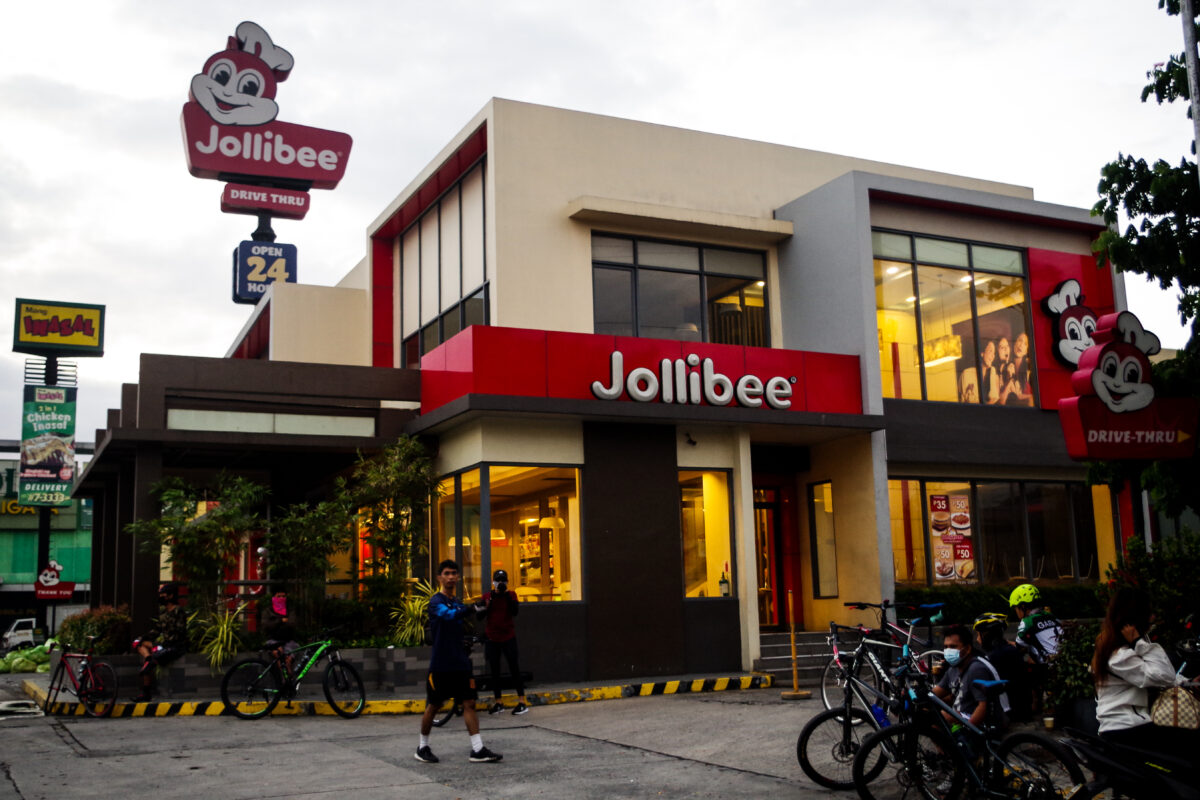
For years, Jollibee’s U.S. identity has been anchored by its signature fried chicken offering, Chickenjoy. That product built emotional loyalty. But emotional loyalty alone does not scale indefinitely in a saturated market.
The nugget launch introduces a second engineered demand center inside the same brand ecosystem.
- Hero product one: crispy fried chicken meals
- Hero product two: bite-sized chicken nuggets
This is not diversification for variety’s sake. It is a structural expansion of craving triggers. The goal is no longer to be known for a single item but to occupy multiple moments of consumption in the same customer’s week.
Where Chickenjoy dominates meals, nuggets target the gaps between meals.
Why Nuggets Are the Most Competitive Product in Fast Food
Chicken nuggets are deceptively simple, but strategically dominant. Across major chains, they remain among the most frequently ordered items due to their flexibility.
Industry patterns show consistent dominance of nuggets and similar chicken formats across:
- Drive-thru orders
- Kids’ meals
- Late-night snack purchases
- Digital delivery platforms
This is why entering the nugget space is not a casual decision. It places Jollibee directly inside a battlefield already defined by long-standing consumer habits shaped by giants like McDonald’s, Wendy’s, and Chick-fil-A.
The challenge is not awareness. It is loyalty displacement.
Product Engineering: White Meat, Crisp Texture, and Controlled Customization
The nuggets themselves are built around three controlled variables: texture consistency, protein quality, and flavor pairing flexibility.
Made from 100% white-meat chicken, the product aligns with modern consumer expectations regarding quality perception. But the real innovation is not in the protein; it is in the pairing system.
Customers can choose between:
- Signature gravy for a comfort-driven flavor identity
- Five additional dipping sauces for variety-based consumption
- Standardized portion formats designed for predictable ordering behavior
This creates a controlled customization loop: a familiar base product and variable flavor outcomes.
In fast food psychology, this increases repeat ordering because consumers do not need to learn a new product; they simply remix it.
The Mini Bucket Effect: Designing Perceived Value Through Packaging
Packaging is often treated as logistics. In this case, it functions as behavioral engineering.
The mini bucket format does three things simultaneously:
- It signals abundance even at small portion sizes.
- It reinforces the brand’s visual identity in a crowded category.
- It encourages sharing behavior and increases order size without pressure.
This is not accidental design. It is a conversion tool disguised as packaging.
The bucket format also creates a visual advantage in social media environments where food presentation directly influences discovery and engagement.
The Real Expansion Story: 100 to 500 Locations and the Infrastructure Behind Nuggets
The U.S. expansion of Jollibee Foods Corporation is already underway, with over 100 locations and an ambitious trajectory toward approximately 500 stores by 2030.
This growth strategy is tightly connected to menu architecture. Nuggets are not just a product addition; they are an operational simplification.
Compared to complex fried chicken preparation systems, nuggets offer:
- Faster kitchen throughput
- Easier staff training
- More predictable cooking cycles
- Lower service friction during peak hours
This makes them a scaling accelerant, especially in new franchise markets across Florida, Texas, the West Coast, and the New York metro area.
The Sauce Economy: Where Modern Fast Food Actually Competes
The competitive edge in modern quick-service restaurants is no longer just the protein. It is the sauce ecosystem surrounding it.
Jollibee’s strategy reflects this shift clearly:
- Signature gravy anchors emotional familiarity
- Multiple dipping sauces introduce variability and repeated experimentation.
- Sauce selection becomes a decision point that increases engagement time per order.
In effect, sauces are no longer accessories. They are retention mechanics.
This is why nuggets, more than any other menu item, are strategically powerful; they act as neutral carriers for flavor experimentation.
Market Timing: Why Nuggets, Why Now
Chicken remains the dominant protein in fast-food consumption, but ordering behavior is evolving. Consumers are increasingly shifting toward:
- Smaller, snackable portions
- Shared eating formats
- Delivery-optimized meals
- Customizable combinations
Nuggets sit directly at the center of all four trends.
This launch is timed not just for product relevance, but for behavioral alignment with how Americans currently order food.
Competitive Positioning: Entering the Most Defended Food Category
Nuggets are one of the most emotionally locked-in food products in the United States. Consumer loyalty in this category is unusually resistant to change.
That makes this launch less about introducing a product and more about challenging ingrained systems of preference.
Success depends on three factors:
- Taste parity or superiority
- Brand differentiation beyond flavor
- Repeat-order convenience through digital platforms
Jollibee is not entering a gap in the market. It is entering a saturated habit loop.
The Bigger Shift: From Menu Items to Craving Architecture

What makes this launch significant is not the nuggets themselves, but what they represent.
Fast food is no longer competing on individual products. It is competing on craving systems, interconnected menus designed to capture multiple emotional and behavioral triggers within the same brand experience.
In this model:
- Fried chicken captures meals.
- Nuggets capture snacks
- Sauces capture experimentation
- Packaging captures visibility
- Expansion captures availability
Together, they form a self-reinforcing consumption loop.
A Small Product Inside a Large Strategic Move
The introduction of chicken nuggets is a small announcement with large structural implications. It strengthens a growing U.S. presence, aligns with dominant consumer behavior patterns, and positions the brand inside one of the most competitive categories in fast food.
But more importantly, it marks a transition point: from being known for a signature item to becoming a multi-moment food system designed for frequency, familiarity, and scale.