“Do Not Swim” Warning Hits 5 NYC Beaches as Bacteria Concerns Cloud July 4 Weekend
A Fourth of July beach day in New York City is supposed to feel simple: sunscreen, towels, cold drinks, crowded sand, and a quick plunge into the water when the heat becomes too much.
In this holiday weekend, five New York City beaches are carrying a warning that changes the mood before anyone even reaches the shoreline: do not swim, and do not wade.
The advisory comes as the city moves through a punishing stretch of extreme heat, with Independence Day forecasts calling for highs near 99 degrees and heat index values as high as 104 in New York City.
The timing makes the warning especially frustrating. On one of the hottest holiday weekends of the year, some beachgoers may find the sand open but the water effectively off-limits.
5 New York City Beaches Under “Do Not Swim” Advisory
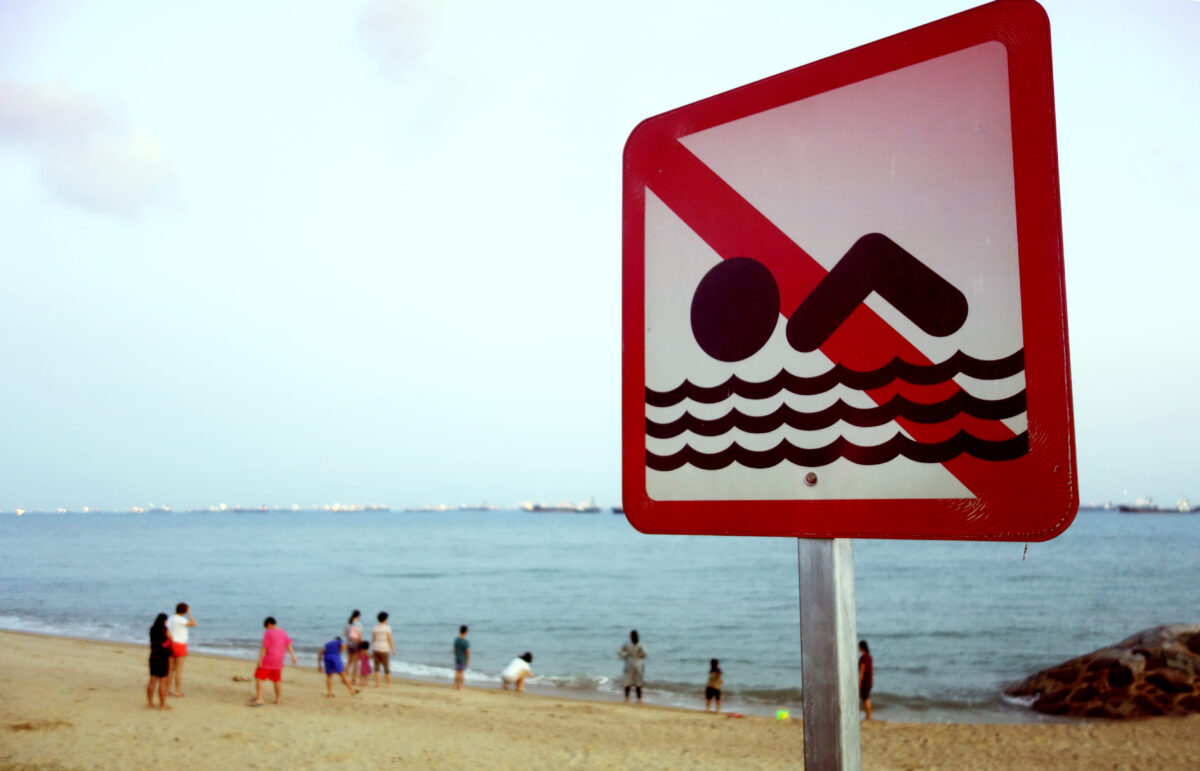
Five beaches have been placed under advisory because of elevated bacteria levels, according to the July 4 weekend report.
The affected beaches are Sea Gate 42nd in Brooklyn, Whitestone Boosters Civic Association Beach in Queens, Douglaston Manor Beach in Queens, Trinity Danish Young People’s Society Beach in the Bronx, and White Cross Fishing Club in the Bronx.
The warning does not mean every affected beach is physically closed to visitors. Under NYC Health Department rules, an advisory means swimming and wading are not recommended, but the beach may remain open with warning signs posted. A closure is more serious: swimming and wading are not allowed.
What the NYC Beach Advisory Actually Means
A “Do Not Swim” advisory is not a casual suggestion. It is a public health warning tied to water quality. NYC Health says beaches can be placed under advisory when rainfall exceeds local thresholds, water samples fail to meet swimming standards, or inspections reveal pollution such as sewage, wastewater discharge, floatable debris, medical waste, petroleum products, or other contamination.
That distinction matters because many families may arrive at the beach and see people still sitting on towels, walking the boardwalk, playing in the sand, or standing near the shoreline. The advisory is focused on water exposure.
The risk rises when people swim, swallow water, submerge their heads, or expose open cuts and wounds to contaminated water.
We should read the warning as a line between being at the beach and being in the water. The sand may still be busy. The snack stands may still be open. The holiday crowds may still come. But the water, for now, carries a health warning that should not be ignored.
Why Enterococci Bacteria Trigger Beach Warnings
The bacteria behind the advisory are enterococci, a fecal indicator organism commonly used to assess saltwater beach safety. Enterococci themselves are not always the main danger, but elevated levels can indicate fecal contamination and that other harmful microbes may also be present in the water.
New York State says ocean saltwater samples are analyzed for enterococcus, and a result above 104 enterococci colonies per 100 milliliters represents an exceedance of the state standard. State Park beaches are sampled at least once a week, and test results generally become available about 24 hours after samples are taken.
The federal public health logic is straightforward. The EPA says recreational water quality criteria are designed to protect people from exposure to harmful levels of pathogens while swimming, wading, surfing, or taking part in other water-contact activities.
Why High Bacteria at NYC Beaches Can Make People Sick
Contaminated recreational water can cause more than a ruined beach day. The CDC says people can get swimming-related illnesses by swallowing water with germs, touching contaminated water, breathing mist from contaminated water, or coming into contact with chemicals in the water.
The most immediate concern is gastrointestinal illness. Swallowing contaminated water can lead to diarrhea, stomach cramps, vomiting, and other symptoms. The CDC also warns that germs in oceans, lakes, and rivers can enter open cuts or wounds and cause infections.
That is why the warning is especially important for children, older adults, pregnant people, anyone with a weakened immune system, and anyone with a fresh cut, surgical wound, piercing, rash, or skin irritation. A quick dip may feel harmless in the moment, but contaminated water can create problems hours or days later.
Heat Makes the Advisory Feel More Urgent
The bacteria warning would matter on any summer day, but the heat gives it a sharper edge. New York entered the July 4 weekend amid dangerous heat, with state officials warning that “feels-like” temperatures could reach 100 degrees statewide and exceed 100 in some places.
That creates a difficult public health tension. People naturally head toward beaches when the city gets brutally hot. Water becomes the escape. But when bacteria levels climb above safety thresholds, the very place people seek relief can become a source of illness.
For beachgoers, the safest plan is not to ignore the advisory because the temperature is uncomfortable. It is to separate cooling down from swimming. Shade, hydration, cooling centers, air-conditioned public spaces, splash pads, and officially open beaches with safe water conditions become better options than taking a chance in flagged water.
Advisory vs. Closure: The Difference New Yorkers Need to Know
NYC Health uses three broad beach classifications: open, advisory, and closed. Open means swimming and wading are allowed. Advisory means swimming and wading are not recommended. Closed means swimming and wading are not permitted.
A beach can move from advisory to closure if conditions worsen. NYC Health says closures may happen when samples fail to meet water standards, when there are repeated illness complaints, when hazardous amounts of pollution are found, or when other public health or safety hazards exist.
In practical terms, an advisory is the city telling beachgoers, “The water is questionable enough that we do not recommend going in.” A closure is the city saying, “Stay out.” Both should be taken seriously, but a closure carries a stricter restriction.
How NYC Decides Whether Beach Water Is Safe
NYC Health says it monitors beaches, inspects facilities, collects water samples, tracks rainfall, and checks for contaminants and environmental conditions. During beach season, most beaches are sampled weekly, while Rockaway and Breezy Point beaches are sampled biweekly.
The city also conducts sanitary surveys to identify sources of pollution. That matters because bacteria readings are only one part of the picture. Heavy rainfall, sewage overflow, stormwater runoff, debris, animal waste, and wastewater discharge can all affect the safety of water for swimming.
Why Heavy Rain and Runoff Matter at Urban Beaches
Urban beaches face a different challenge from remote beaches. They sit near dense neighborhoods, roads, storm drains, aging infrastructure, boat traffic, wildlife, and built-up waterfronts. When heavy rain falls, it can wash contaminants from streets, yards, drains, and sewer systems into nearby waterways.
NYC Health says high rainfall is associated with higher bacteria levels, and the city considers rainfall thresholds when classifying beach conditions.
New York State Parks also notes that elevated bacteria levels may be related to watershed land use, stormwater runoff, naturally occurring sand or soil bacteria, and other environmental factors.
This is why a beach can look beautiful and still carry a warning. Clear water is not always clean water. A calm surface does not prove that the bacteria levels are safe. The safest signal is the official water quality status, not the appearance of the shoreline.
What Beachgoers Should Do If They Still Visit
Anyone visiting an advisory beach should avoid swimming and wading. That is the central point of the warning. The CDC advises people not to swallow recreational water and to keep sand away from children’s mouths because sand can contain germs that may cause illness.
People with open wounds should be especially cautious. The CDC says germs in natural water can enter open cuts or wounds and cause infections. If a wound is still healing, it should be completely covered with a waterproof bandage if someone goes near water, though the better choice during an advisory is to stay out entirely.
Parents should watch children closely because kids are more likely to splash, swallow water, put sandy hands near their mouths, and underestimate risk. Handwashing after playing in sand, bathroom breaks for children, and avoiding water contact after a recent stomach illness are all part of basic healthy swimming guidance.
Safer NYC Beach Options for the July 4 Weekend
The report identified several beaches as open and considered safe at the time, including Orchard Beach in the Bronx, Coney Island and Manhattan Beach in Brooklyn, Rockaway Beach in Queens, and Cedar Grove, Midland Beach, South Beach, and Wolfe’s Pond Beach on Staten Island.
Still, beach conditions can change quickly. NYC Health directs the public to check the city’s Beach Water Quality Map for current beach status before going.
That extra check matters on a holiday weekend, when families may travel across boroughs, carry food and beach gear, and spend hours planning around traffic, parking, ferries, buses, and train schedules. A two-minute status check can prevent a wasted trip or, more importantly, a risky swim.
What To Watch for After Possible Exposure
Anyone who swam or waded at an advisory beach should watch for symptoms such as diarrhea, vomiting, stomach pain, fever, skin irritation, ear discomfort, eye irritation, or signs of wound infection. The CDC says swimming-related illnesses can occur when people swallow contaminated water or come into contact with it.
NYC Health advises people who suspect they became sick after swimming at a beach to seek medical attention promptly and report the illness by calling 311.
That reporting step is important because illness complaints can influence beach status. NYC Health says repeated complaints or reports of illness or injury are among the factors that can lead to a beach closure.
The Bigger Warning Behind the Holiday Beach Advisory
This advisory is not just about five beaches. It is about the fragile bargain that makes city swimming possible. New York’s beaches sit inside a massive urban system. When that system works, millions of people get access to summer relief without leaving the city.
When bacteria readings rise, the warning signs remind us that public beaches depend on constant testing, clean infrastructure, careful monitoring, and quick public communication.
The frustrating part is that the beach may still look inviting. The water may sparkle. The sand may be packed. The heat may make every wave look like a rescue. But bacteria warnings are not based on how the shoreline looks from a towel. They are based on what the sample shows, what the rainfall suggests, and what health officials believe could happen if people go into the water.
This July 4 weekend, the safest choice at the five advisory beaches is clear: enjoy the shoreline if permitted, but stay out of the water. New York has plenty of ways to celebrate Independence Day. Getting sick from a holiday swim should not be one of them.