Trump-Backed Bill to End Clock Changes Moves Closer to House Vote as America Debates Permanent Daylight Saving Time
For decades, Americans have complained about the same twice-a-year ritual: changing the clocks, losing sleep, and wondering why a simple hour shift still controls everyone’s schedule. Now, Congress is taking another serious look at ending that tradition.
A bill backed by President Donald Trump that would make Daylight Saving Time permanent has cleared an important hurdle in the U.S. House of Representatives, moving the controversial proposal closer to a full chamber vote. The measure, known as the Sunshine Protection Act, would allow states to stay on Daylight Saving Time year-round instead of switching between standard time and daylight time every spring and fall.
The House Rules Committee advanced the bill in a 6-4 vote, setting up the next stage of the legislative fight. Supporters say the change would give Americans more evening sunlight, reduce disruptions caused by clock changes, and potentially help businesses, recreation, and public safety. Critics argue that permanent daylight time could create darker winter mornings, especially for children heading to school and workers starting their days early.
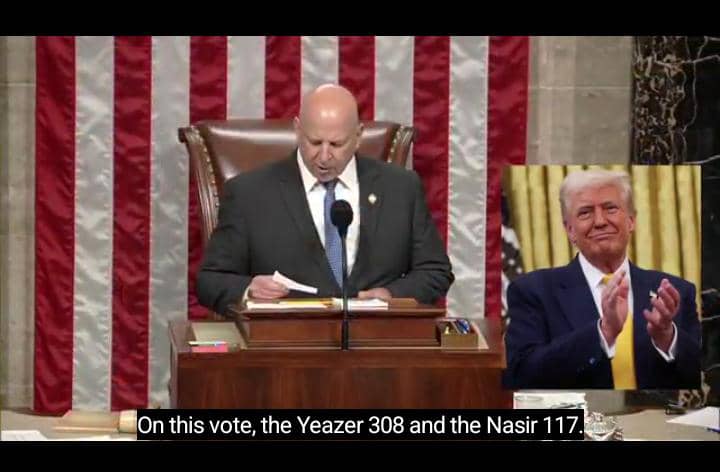
The debate is not new. Lawmakers have tried for years to settle the nation’s complicated relationship with the clock, but previous efforts stalled. This time, supporters believe the issue has gained enough momentum to finally reach the finish line.
Trump Calls Clock Changes an Unnecessary Burden
President Donald Trump has been one of the strongest voices calling for an end to the current system. He has argued that changing clocks twice a year creates unnecessary costs and frustration for Americans, businesses, and government agencies.
After the bill advanced through an earlier vote in the House, Trump wrote that Americans should no longer have to deal with repeated clock adjustments.
“It’s time that people can stop worrying about the ‘Clock,’ not to mention all of the work and money that is spent on this ridiculous, twice-yearly production,” Trump said in a post supporting the measure.
Trump’s support has given the proposal renewed political attention, but the issue has attracted backing from lawmakers across party lines as well. Supporters say the idea is simple: pick one time system and stop forcing Americans to adjust their schedules every few months.
Rep. Vern Buchanan, R-Fla., who has pushed the legislation, said Americans are tired of the disruption caused by changing clocks.
“Ending the clock change is a commonsense reform that will improve everyday life for millions of Americans,” Buchanan said.
The Florida congressman has argued that longer evening daylight could encourage outdoor activities, support tourism, and benefit local economies. His state, where outdoor recreation plays a major role, has been one of the strongest supporters of permanent daylight time.
Supporters Say More Evening Sunlight Could Change Daily Life
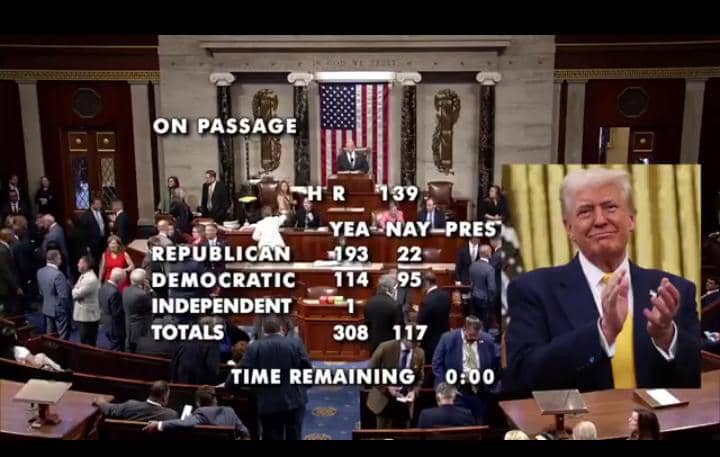
The main argument behind permanent Daylight Saving Time is that Americans would gain more usable daylight after work and school.
Supporters point to several possible benefits. They argue that later sunsets could encourage people to spend more time outdoors, visit businesses after work, participate in sports, and enjoy community activities.
House Energy and Commerce Committee Chairman Brett Guthrie, R-Ky., highlighted those potential benefits during discussion of the proposal.
“Locking the clock all year long would have positive impacts on sleep schedules, energy conservation, motor vehicle safety, and our economy,” Guthrie said.
Supporters also argue that the current clock-switching system creates disruptions. Many people report feeling tired after the springtime shift, when clocks move forward one hour, and people lose an hour of sleep.
Some lawmakers have cited research suggesting that sudden time changes can disrupt sleep patterns and contribute to safety concerns. They believe eliminating the switch would create a more predictable routine.
The proposal has also gained support from states that want more flexibility. Nearly 20 states have already passed laws supporting permanent Daylight Saving Time if Congress gives approval.
However, federal law currently prevents states from simply adopting permanent daylight time on their own. Under existing rules, states can choose permanent standard time, but a permanent change to Daylight Saving Time requires congressional approval.
Critics Warn Dark Winter Mornings Could Create Problems

Not everyone believes permanent Daylight Saving Time is the right solution.
Opponents argue that while longer evenings may sound appealing, darker mornings could pose challenges, especially during the winter months when sunrise already occurs later.
Some lawmakers and sleep experts prefer permanent standard time instead, saying it better matches the body’s natural circadian rhythm and sunlight patterns.
Rep. Nanette Barragán, D-Calif., raised concerns about possible effects on children’s sleep schedules and health during earlier discussions of the legislation.
Other critics have questioned whether Congress should focus on the clock debate when other national issues remain unresolved.
Rep. Keith Self, R-Texas, criticized the priority given to the legislation, writing that lawmakers were focusing on a smaller issue while larger challenges remained.
The debate also carries historical baggage. The United States previously experimented with permanent Daylight Saving Time in the 1970s, but public dissatisfaction eventually led lawmakers to reverse course. Critics of the current proposal point to that experience as a warning that changing the nation’s clocks permanently may not be as simple as supporters suggest.
For now, the Sunshine Protection Act still has a long road ahead. The bill must pass the full House before moving to the Senate, where previous daylight-saving legislation has struggled despite strong support. A similar Senate effort passed unanimously in 2022 but failed to become law after stalling in the House.
The question facing lawmakers is straightforward but surprisingly complicated: should America keep adjusting its clocks twice a year, or is it finally time to pick one and leave it alone?
For millions of Americans who dread the annual clock change, the answer seems obvious. For others worried about dark mornings and disrupted routines, the debate is far from over. The nation’s next decision may determine whether the familiar “spring forward, fall back” tradition becomes history or survives for another generation.