California Semitruck Crash That Killed Three Raises New Questions About Trucking Safety and CDL Oversight
A California semitruck crash that killed three people has become more than a criminal case. The deadly Interstate 10 collision has intensified a national debate about commercial driver licensing, highway safety standards, and whether regulatory systems can identify risks before lives are lost.
The California semitruck crash occurred in October 2025 in San Bernardino County when a commercial truck struck slow-moving traffic on Interstate 10, creating a devastating chain reaction. Authorities later said the driver, Jashanpreet Singh, failed to brake before the collision, which resulted in three deaths and multiple injuries.
Singh, a 21-year-old Indian national, was later sentenced to four years and eight months in prison after pleading guilty to three felony counts of vehicular manslaughter with gross negligence. While the sentence addressed the criminal consequences of the crash, the case also raised broader concerns about commercial truck safety and the process for approving commercial drivers.
The California semitruck crash has drawn attention because it combines several major public safety issues: the responsibilities of commercial drivers, the importance of proper training, the enforcement of licensing rules, and the ability of government agencies to prevent dangerous situations before they become tragedies.
The Moments Before Impact That Changed Everything
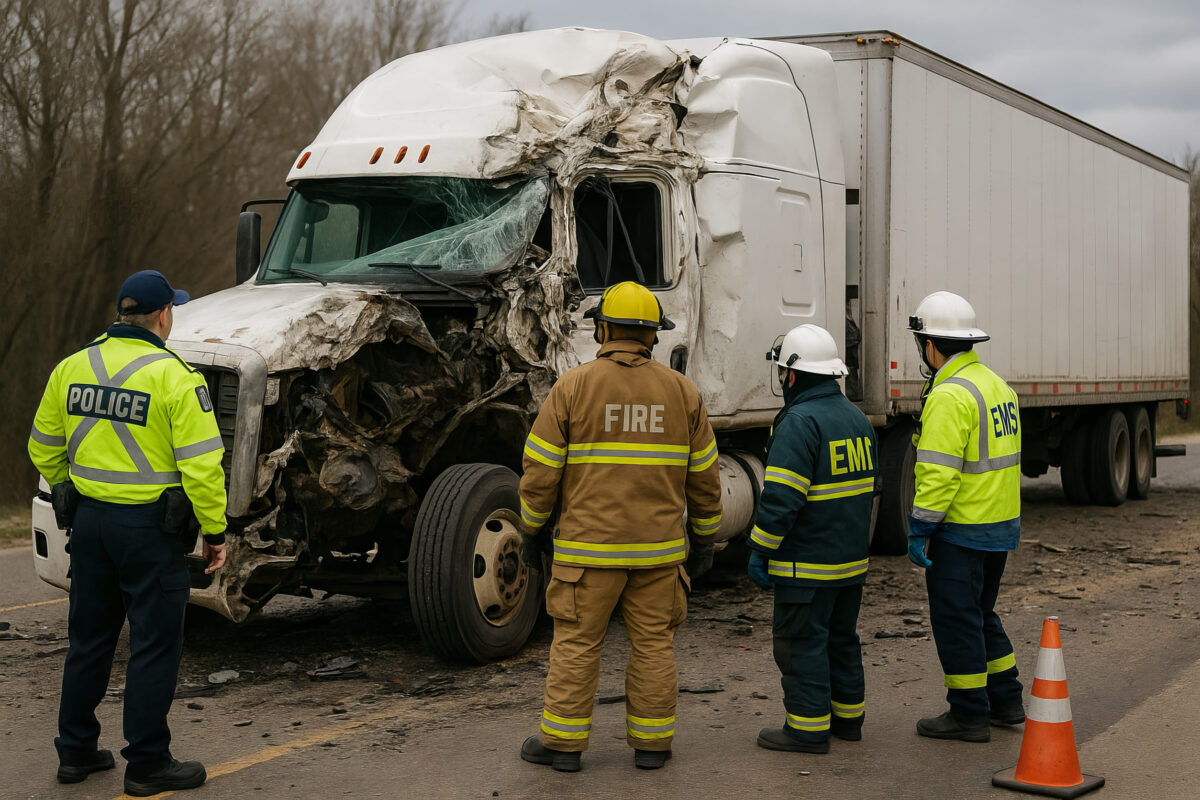
The California semitruck crash unfolded during normal freeway traffic on Interstate 10, one of the busiest transportation routes in Southern California. According to investigators, Singh’s semitruck approached slow-moving vehicles and continued forward before striking traffic ahead.
The investigation focused heavily on the moments leading up to the crash. Dashcam footage reportedly showed that the truck did not apply brakes before impact, creating questions about driver awareness, reaction time, and vehicle control.
Commercial truck accidents often have devastating outcomes due to the size and weight differences between large trucks and passenger vehicles. A fully loaded tractor-trailer can weigh tens of thousands of pounds, requiring greater stopping distance and careful decision-making from drivers.
The effects of a California semitruck crash can extend far beyond the roadway. Families lose loved ones, emergency responders face dangerous scenes, and communities are left searching for answers after a preventable-looking tragedy.
The San Bernardino County crash also highlighted how quickly a routine highway commute can become a life-changing event. For transportation officials, each major truck collision becomes an opportunity to examine whether existing safety measures are working effectively.
A Six-Day Timeline That Sparked Licensing Questions
One of the most closely examined aspects of the California semitruck crash involves the timeline surrounding Singh’s commercial driver’s license. Federal transportation officials said Singh obtained a California commercial driver’s license in June 2025.
Later, federal officials raised concerns about commercial licensing compliance in California. They directed the state to review certain commercial licenses and ensure that drivers met federal requirements.
The issue gained additional attention because a restriction connected to Singh’s commercial driver’s license was removed on October 15, 2025, after he turned 21. Six days later, authorities said Singh was driving the semitruck involved in the fatal Interstate 10 crash.
The timing has created questions about how quickly licensing agencies respond when concerns emerge. It has also placed greater focus on communication between state and federal transportation authorities.
Commercial driver licensing exists to create a safety barrier before individuals operate heavy vehicles on public roads. When disagreements arise between agencies over eligibility requirements, questions naturally emerge about whether those safeguards are strong enough.
The California semitruck crash has therefore become part of a larger discussion about balancing administrative processes with public safety responsibilities. The issue is not only about one driver but also about how effectively the entire system functions.
When Licensing Rules Become a Public Safety Debate
Commercial driver licenses carry significant responsibility because truck operators control vehicles capable of causing severe damage during a collision. Unlike ordinary passenger vehicles, large trucks require specialized training and strict oversight.
Federal transportation officials argued that Singh should not have qualified under updated emergency rules. California officials responded that his license eligibility was based on federally approved employment authorization documents.
The disagreement demonstrates the complexity of commercial licensing in the United States. Different agencies must coordinate closely to ensure that changing regulations are applied consistently.
The California semitruck crash has become a case study in how regulatory gaps can attract public attention. When a fatal accident involves questions about licensing, people naturally ask whether additional safeguards could have changed the outcome.
Past transportation investigations have repeatedly shown that preventing truck crashes requires multiple layers of protection. These include driver qualifications, vehicle inspections, employer responsibility, enforcement, and consistent government oversight.
A failure in any one area can increase the likelihood of a serious accident. The challenge for regulators is ensuring that every part of the safety system works together.
The Human Cost Behind the Interstate 10 Tragedy
Behind the legal proceedings and policy debates are three people whose lives ended because of the California semitruck crash. Fatal commercial vehicle collisions often leave families dealing with grief, financial pressure, and unanswered questions.
Unlike many traffic incidents, truck crashes frequently have significant consequences due to the force involved. A collision between a large commercial vehicle and smaller passenger cars can create injuries and losses that affect entire families.
For victims’ relatives, a prison sentence may provide a sense of accountability, but it cannot restore what was lost. The emotional impact of a deadly highway crash continues long after investigators leave the scene.
The California semitruck crash also reminds communities that transportation safety is ultimately about people, not just regulations. Behind every statistic about truck accidents are individuals with families, careers, and futures that suddenly changed.
Emergency responders who handle these scenes also experience the seriousness of these incidents. Firefighters, police officers, and medical teams often encounter some of the most difficult moments of their careers while responding to major truck collisions.
Why Commercial Truck Crashes Continue to Raise Concerns
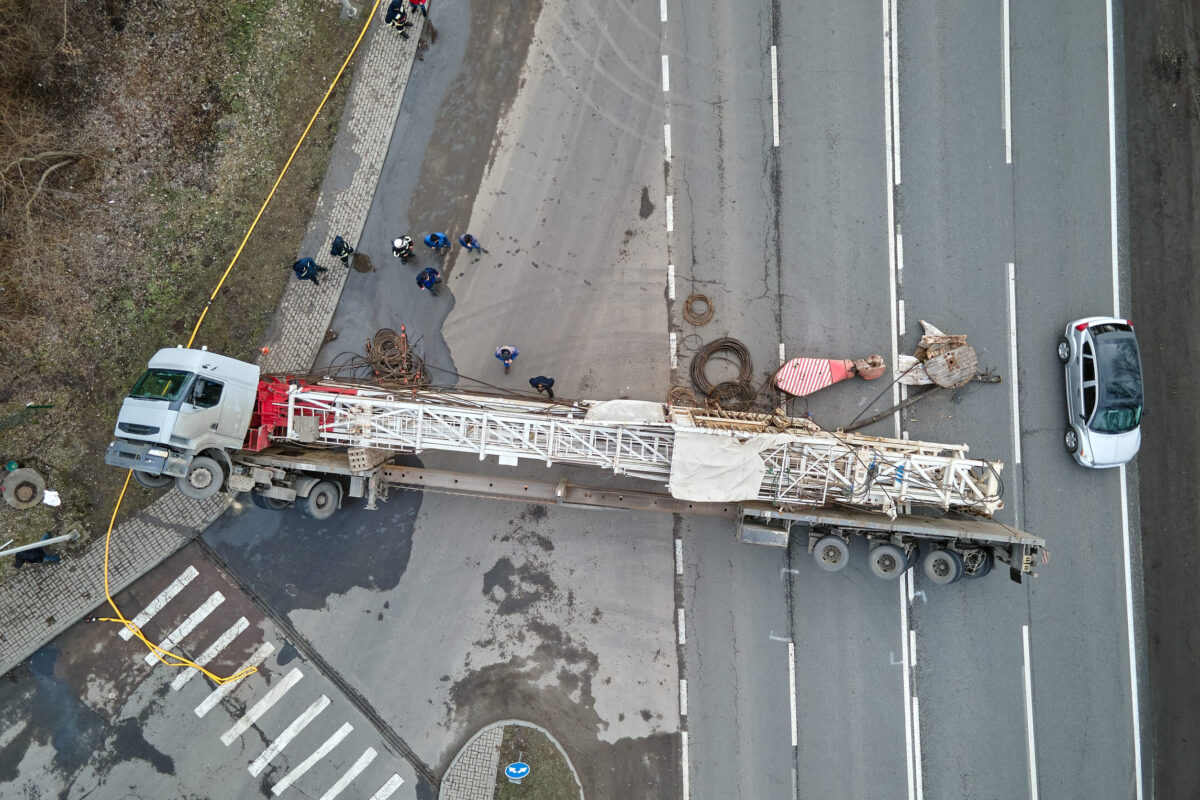
The California semitruck crash fits into a broader national conversation about commercial trucking safety. Large truck accidents remain a major focus for transportation agencies because of their potential to cause severe injuries and fatalities.
Safety experts typically examine several factors after a commercial truck crash. These include driver experience, fatigue, distraction, vehicle maintenance, road conditions, speed, and compliance with licensing requirements.
The trucking industry plays an essential role in the American economy. Millions of deliveries depend on commercial drivers moving goods across highways every day.
However, economic importance also increases the need for strict safety standards. The more heavily society depends on trucking, the more important it becomes to ensure that every driver and vehicle meets established requirements.
The California semitruck crash has renewed attention to how the country balances keeping transportation networks moving with maintaining strong safety protections.
A Young Driver, A Heavy Vehicle, And Questions About Experience
The driver’s age has also contributed to discussions surrounding the California semitruck crash. At 21 years old, Singh was operating a commercial vehicle on one of the busiest freeway systems in the country.
Age alone does not determine whether someone can safely operate a commercial truck. Training, experience, decision-making skills, and compliance with safety rules all play important roles.
However, newer commercial drivers often face unique challenges. Operating a heavy vehicle requires understanding braking distances, traffic patterns, blind spots, and defensive driving techniques.
The trucking industry has historically focused on improving driver preparation because human decisions remain one of the most important factors in preventing crashes.
The California semitruck crash has renewed interest in whether new commercial drivers receive enough preparation before taking control of large vehicles. It has also raised questions about how licensing systems evaluate readiness.
The Bigger Lesson From a Deadly California Highway Crash
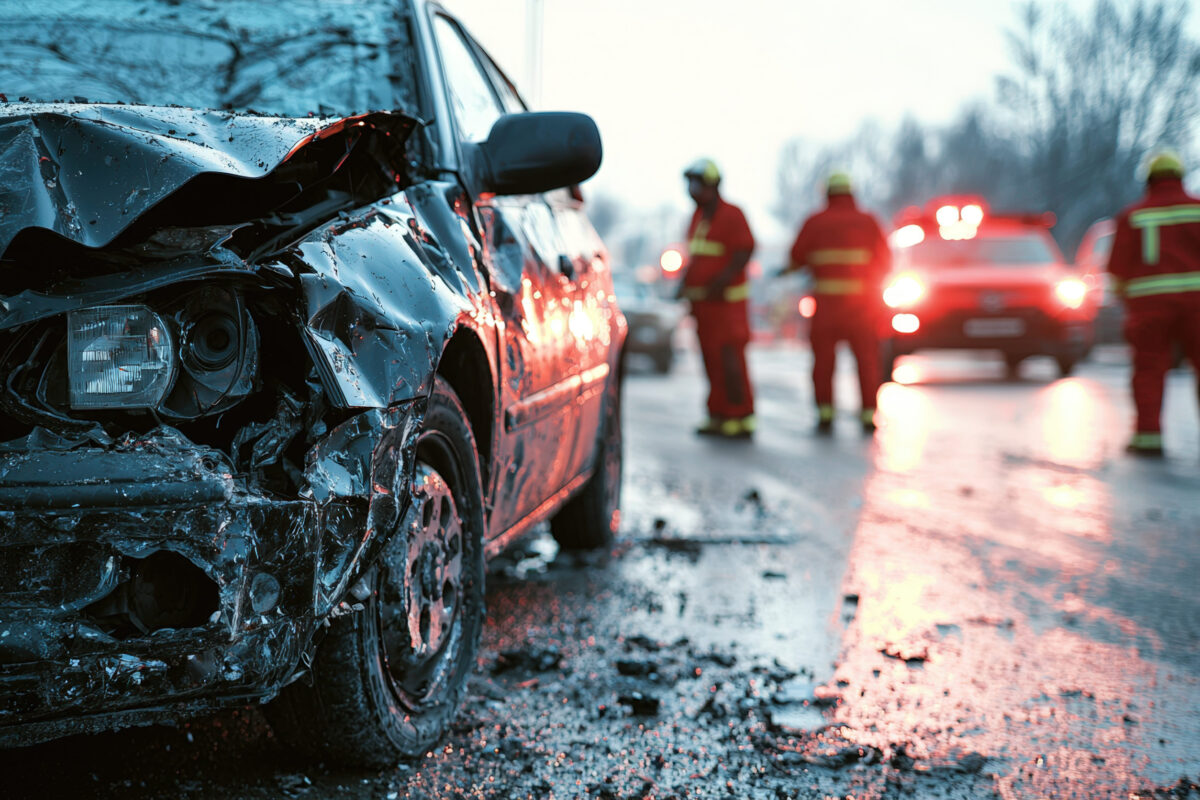
The sentencing connected to the California semitruck crash provides legal accountability after a tragedy that claimed three lives. However, the larger questions surrounding commercial truck safety remain important.
The case highlights how individual actions, government oversight, and transportation policies can intersect after a serious crash. Preventing future tragedies requires attention to every stage of the process, from licensing approval to driver training and enforcement.
Commercial trucks will continue to play a vital role in American life, but their size and power demand careful regulation. Every decision made before a truck enters the highway can influence whether people arrive safely at their destinations.
The California semitruck crash serves as a reminder that transportation safety is built through thousands of decisions made by drivers, companies, and regulators. The lasting question is whether those decisions are strong enough to prevent the next devastating collision before it happens.