Volvo Cars Faces a Tough Road Ahead as Profit Pressure Tests Its Electric Future
Volvo Cars is navigating one of the most challenging periods in the automotive industry as slowing demand, rising competition, and the costly shift toward electric vehicles reshape the global car market.
The Swedish automaker reported a weaker second-quarter profit, reflecting the pressure many traditional manufacturers are facing as they invest heavily in new technology while dealing with uncertain consumer demand.
The results highlight a difficult balancing act for Volvo as it tries to protect its premium reputation while competing against aggressive electric vehicle rivals. The company’s next moves could determine whether it remains a major player in the rapidly changing automotive world.
Volvo’s Latest Results Reveal the Pressure Behind the Electric Vehicle Race

Volvo Cars reported a smaller second-quarter operating profit as challenges across the global auto industry continued to affect performance. The company has been investing heavily in electric vehicles, software development, and new manufacturing capabilities as it prepares for a future dominated by cleaner transportation.
These investments are necessary for long-term growth but have created financial pressure at a time when electric vehicle demand has not grown as quickly as many manufacturers expected. Volvo’s results reflect a broader industry struggle in which companies must spend billions today while waiting for future returns.
Electric Vehicle Competition Is Becoming Fiercer Every Year
The electric vehicle market has become one of the most competitive segments in the automotive industry. Volvo faces increasing pressure from Chinese manufacturers producing affordable electric models and expanding into global markets.
Companies such as BYD have gained attention by offering lower-priced electric vehicles with advanced technology and strong battery capabilities. Volvo must continue improving its products while protecting the premium image that has defined the brand for decades.
China’s Auto Market Creates New Challenges for Global Car Brands

China remains one of the world’s most important automotive markets, but it has become increasingly difficult for foreign brands to maintain their previous dominance. Local manufacturers have improved rapidly, offering consumers more choices and creating intense price competition.
Volvo, which is owned by China’s Geely Holding, has strong connections to the Chinese market but still faces the same pressures affecting many international automakers. The company must find ways to compete in a market where technology, affordability, and speed of innovation are becoming critical advantages.
Volvo’s Premium Identity Could Become Its Greatest Strength
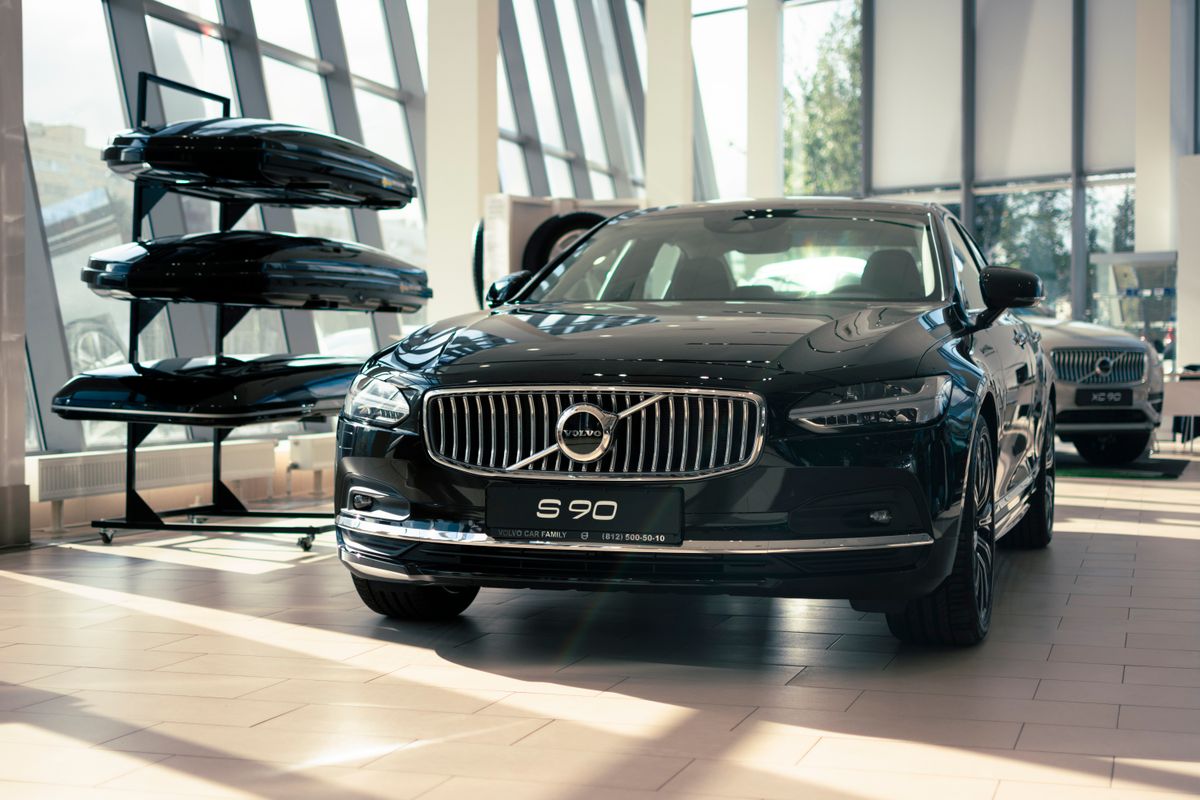
Despite industry challenges, Volvo still benefits from a strong reputation built around safety, Scandinavian design, and premium engineering. Many customers continue to associate the brand with reliability, comfort, and thoughtful vehicle design.
This reputation gives Volvo an advantage as some buyers look for more than just the lowest price when choosing an electric vehicle. The company’s challenge is to maintain its premium appeal while making its electric models competitive in a rapidly changing market.
The Transition to Electric Vehicles Is More Complicated Than Expected
The global shift toward electric vehicles has not followed the simple growth path many automakers predicted several years ago. Higher prices, changing consumer preferences, and concerns about charging infrastructure have slowed adoption in some markets.
Automakers like Volvo must adjust their strategies to balance electric investments with shifting customer demand. The companies that succeed will likely be those that can remain flexible while continuing to innovate.
Volvo’s Future Depends on How Quickly It Can Adapt

The automotive industry is moving faster than ever, and companies that fail to adapt risk losing ground. Volvo’s future will depend on how effectively it manages costs, develops competitive electric vehicles and responds to global market changes.
The company has a respected brand and a clear vision, but the road ahead will require difficult decisions and careful execution. In an industry being reshaped by technology and competition, Volvo’s ability to adapt may become the defining factor of its next chapter.