Trump Administration Flags Over 250,000 Potential Noncitizen Registrations, States Demand the Proof
A quarter-million figure dropped into America’s election debate on Friday like a lit match. The Trump administration said preliminary federal reviews identified 256,463 potential noncitizen voter registrations across California, New Jersey, Nevada and Pennsylvania, and tied that figure to President Donald Trump’s nationally televised election-security address. The White House separately placed the broader national figure at approximately 278,000.
The numbers are serious, but so is the wording. Federal officials are describing people allegedly registered to vote, not people proven to have cast illegal ballots. The Department of Homeland Security has not publicly released the underlying names, the complete matching process, or evidence showing how every record was classified. That gap has turned the announcement into a political confrontation over election integrity, federal authority, and the risk of wrongly labeling eligible citizens- the key takeaway.
Four States Receive a Two-Week Warning
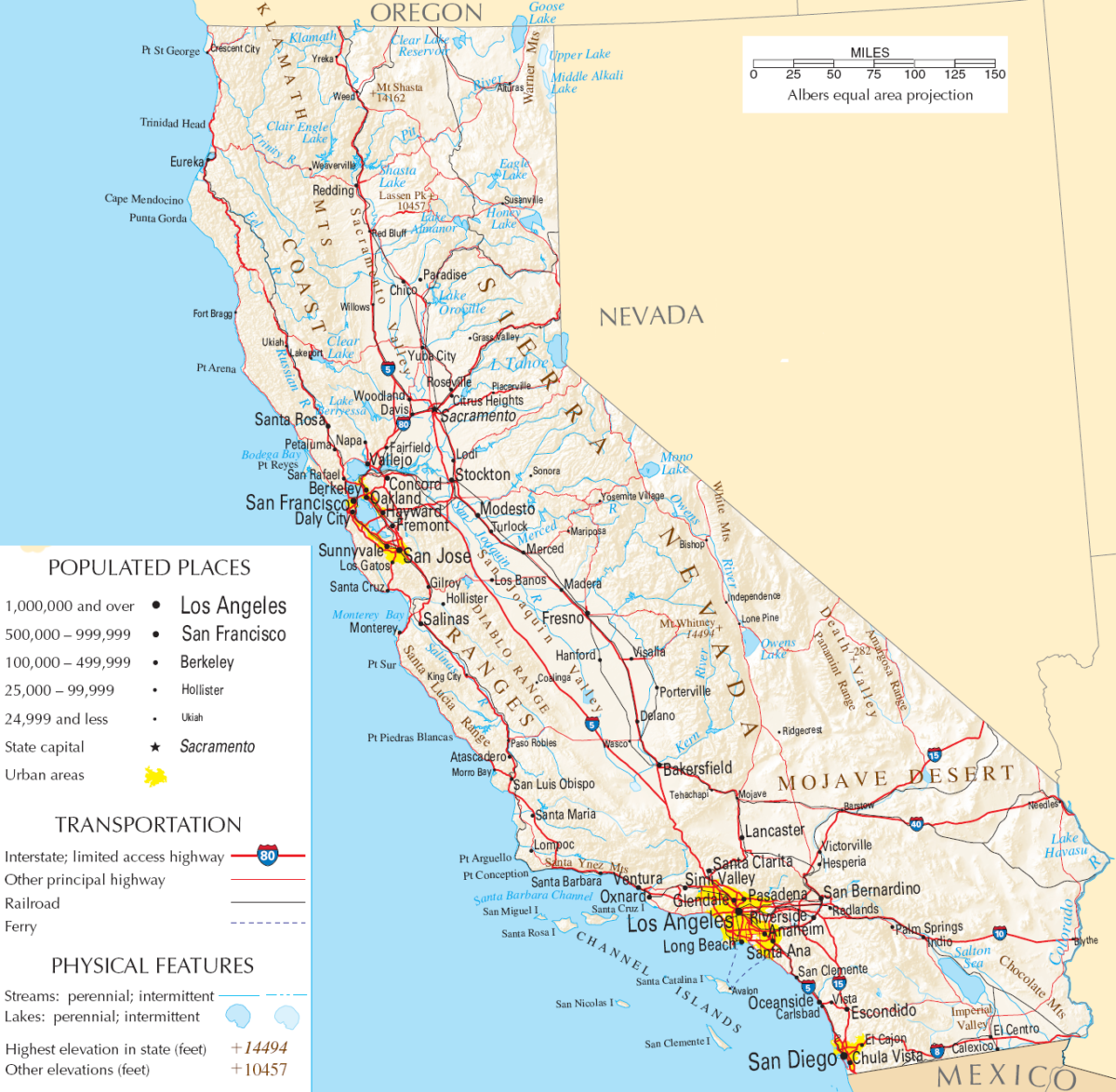
The state-by-state figures cited in the administration’s letters were striking: 190,832 potential noncitizen registrations in California, 35,152 in New Jersey, 15,903 in Nevada and 14,576 in Pennsylvania. Together, those figures total 256,463. DHS Secretary Markwayne Mullin said the letters asked the four states to review their voter rolls and respond within two weeks so the department could assess cooperation in its election-security effort.
“Only Americans should be electing American leaders,” Mullin said while announcing the administration’s next steps. The message is difficult to dispute as a principle. Federal law already makes it unlawful for a noncitizen to vote in an election involving a federal candidate, and every state requires U.S. citizenship for participation in federal and statewide elections.
The controversy begins with what the administration has not yet demonstrated publicly. DHS cited preliminary reviews and potential violations, but its first statement did not fully explain the matching criteria, disclose how recent the records were, or show that any of the flagged individuals voted. The agency offered no public evidence that corroborated the individual state totals when it announced the review.
That distinction matters because voter databases are living systems. People move, die, naturalize, change names, and update records on different schedules across different government agencies. Someone recorded as a noncitizen at a motor vehicle department years earlier may later become a naturalized citizen and legally register. A loose comparison between old immigration data and a current voter list can therefore produce a dramatic-looking flag that disappears once citizenship documents are checked.
The White House went further than the four-state total. Its election-integrity page said a DHS review of voter rolls and public records identified approximately 278,000 noncitizens registered for federal elections. It also claimed the real number was higher because some Democratic-led states did not share voter files. That remains the administration’s assertion; the public materials did not provide enough technical information to reproduce the count.
DHS reportedly found stronger identifying matches for only part of the larger estimate. The agency said 81,336 California records, 19,497 New Jersey records, 8,576 Nevada records, and 8,594 Pennsylvania records matched people in DHS databases using details such as names, birth dates, addresses, and Social Security numbers. However, even a detailed database match does not automatically establish that the information is current or that the person remained a noncitizen at the time of registration.
Registration Is Not the Same as Voting

The loudest misunderstanding surrounding the announcement is the leap from “registered” to “voted.” Those are not interchangeable claims. A registration record may be inactive, outdated, duplicated, created due to an agency error, or attached to someone whose citizenship status later changed. Proving an illegal vote requires evidence that an ineligible person actually cast a ballot, not merely that a database comparison produced a possible match.
California Governor Gavin Newsom immediately challenged the federal announcement. “We have no idea where this latest claim comes from,” he said, arguing that the administration had not supplied supporting evidence. He also emphasized that California law requires U.S. citizenship for state and federal voting.
California does permit some noncitizens to vote in narrowly defined local school-board elections in San Francisco and Oakland. Those local rules do not authorize noncitizen participation in presidential, congressional, or statewide races. It remains unclear whether DHS separated those legal local-election records from registrations connected to federal elections, which would matter to the comparison it used.
Pennsylvania’s top election official, Republican Secretary of the Commonwealth Al Schmidt, offered a more procedural response. He said Pennsylvania follows federal and state election laws, properly maintains its voter rolls, and welcomes DHS sharing its list and methodology so officials can examine the validity of the claims.
Schmidt’s response cuts to the central issue: a number alone cannot justify removing a voter. Election administrators need identifiable records, reliable source data, and a lawful review process. Removing people based on uncertain matches could block legitimate voters, while ignoring verified evidence could leave an ineligible registration untouched.
Past investigations show why careful checking is necessary. The Center for Election Innovation & Research found that large initial claims frequently shrink after officials examine the flagged records. In Iowa, an initial list of 2,176 possible noncitizens was reduced to 277 confirmed noncitizens following additional review. Thirty-five were alleged to have cast counted ballots and were referred for investigation.
In Michigan, a statewide audit comparing millions of driving and voter records found 16 apparent noncitizens who cast ballots in the 2024 general election. Those cases represented roughly 0.00028% of the votes cast statewide and were referred to law enforcement.
Those cases do not prove that illegal voting never occurs. They show that it is detectable, punishable, and often far smaller than an initial raw-data comparison may suggest. They also demonstrate why presenting every possible match as a confirmed illegal voter can mislead the public.
Election Security Fight Moves Into the Midterms
The latest warning did not arrive in isolation. Earlier in July, the Justice Department sent letters to all 50 states and the District of Columbia warning that election officials could face criminal liability if they knowingly retain noncitizens on voter rolls or help them receive and cast ballots.
Harmeet Dhillon, who leads the Justice Department’s Civil Rights Division, wrote that officials who knowingly facilitate such conduct “could be subject to criminal liability.” Several Democratic state officials responded that their existing procedures already prevent ineligible voting and accused the administration of using political intimidation ahead of the November midterm elections.
The administration is using the figures to strengthen its push for tighter registration rules, including documentary proof of citizenship. Supporters argue that passports, birth certificates, or naturalization papers would create a stronger barrier against ineligible registration. Opponents argue that legitimate citizens without easy access to those documents could face unnecessary registration obstacles.