U.S. Strikes Iran for Ninth Straight Night as Middle East Crisis Pushes Toward a Dangerous Turning Point.
The night sky over parts of the Middle East has become a symbol of a conflict that refuses to slow down. For the ninth consecutive night, the United States carried out strikes against Iran, deepening a confrontation that has moved beyond warnings and threats into a sustained military exchange with global consequences.
The latest strikes mark one of the most serious direct confrontations between Washington and Tehran in recent years. What began as a battle over security concerns, military influence, and regional power has now become a wider crisis involving air operations, missile threats, shipping routes, and fears that other countries could be dragged into the conflict.
As explosions continue and both sides promise to stand firm, the biggest concern is no longer just what happens on the battlefield. The world is watching to see whether this confrontation can be contained or whether it becomes the spark for a much larger regional war.
A Ninth Night of Strikes Shows the Conflict Is Deepening
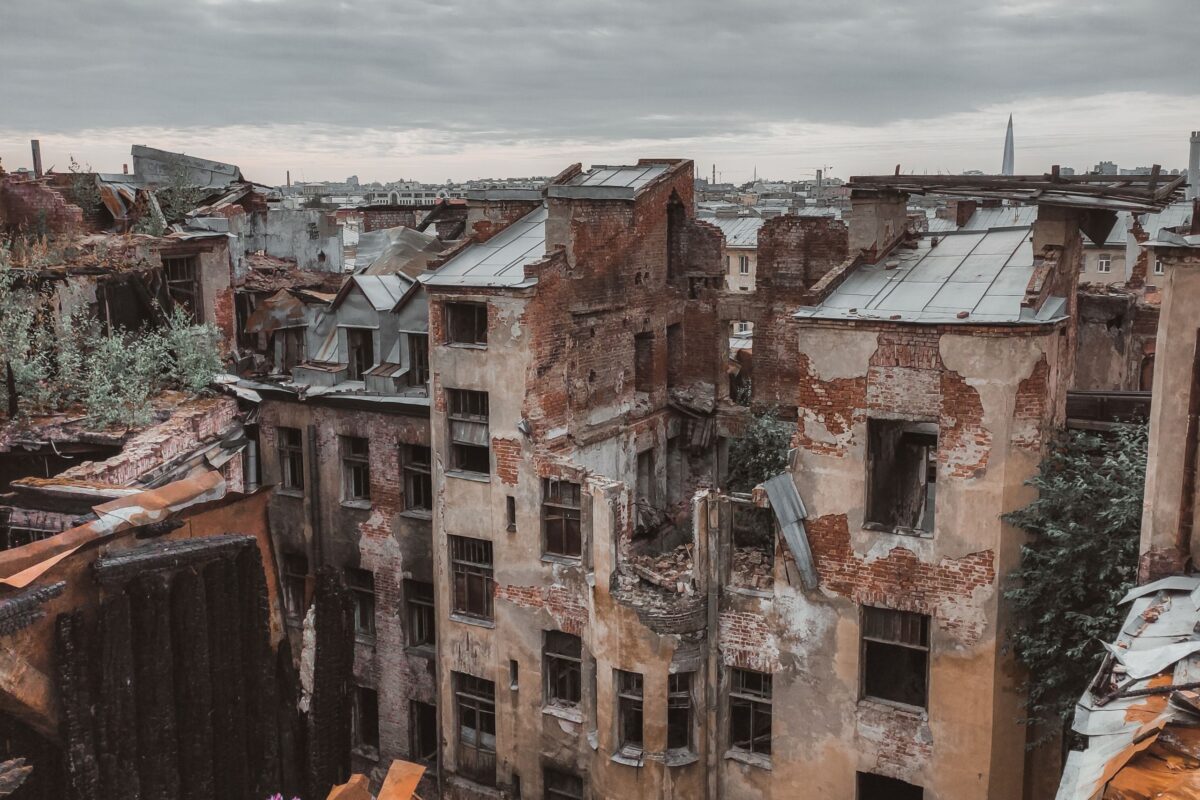
The ninth consecutive night of U.S. military strikes sends a powerful message: Washington is determined to continue applying pressure on Iran and its military capabilities.
According to reports, American forces targeted locations connected to Iran’s military infrastructure as part of a broader effort to reduce threats against U.S. troops and protect strategic interests in the region.
The repeated operations show that this is not a single retaliatory strike but an ongoing campaign. Each night of attacks adds another layer of uncertainty, creating a situation in which both sides must decide whether to continue escalating or to step back.
Military officials often describe such operations as carefully planned actions designed to achieve limited goals. However, prolonged conflicts can quickly become unpredictable, especially when powerful nations are directly involved.
The longer the exchange continues, the harder it becomes for either side to claim that the situation remains fully under control.
Why Iran Has Become a Major Global Concern
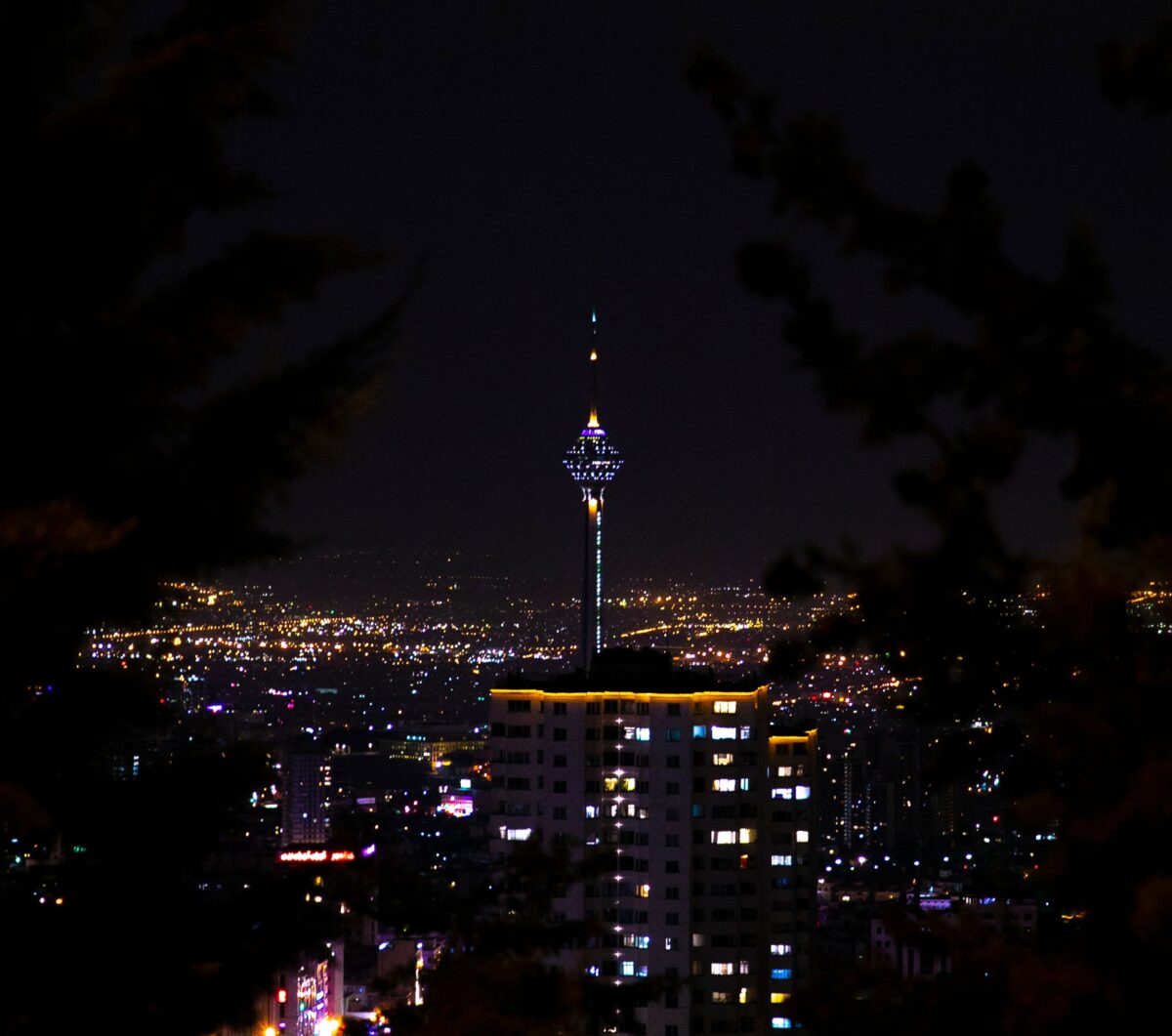
Iran’s position in the Middle East makes the conflict far more significant than a dispute between two countries. The country sits at the center of several major regional power struggles and maintains influence through its military networks and alliances. Any major confrontation involving Iran has the potential to affect neighboring countries, international markets, and global security.
Iran has repeatedly warned that it will respond to attacks against its territory and interests. Those warnings have increased fears that retaliation could expand the conflict beyond the current battlefield.
The concern among international observers is that a cycle of attack and response could develop. One strike leads to retaliation, retaliation leads to another strike, and eventually both sides may find themselves in a conflict neither originally intended.
History has shown that military conflicts often grow through unexpected events rather than carefully planned decisions.
The Strait of Hormuz Becomes the World’s Biggest Economic Worry
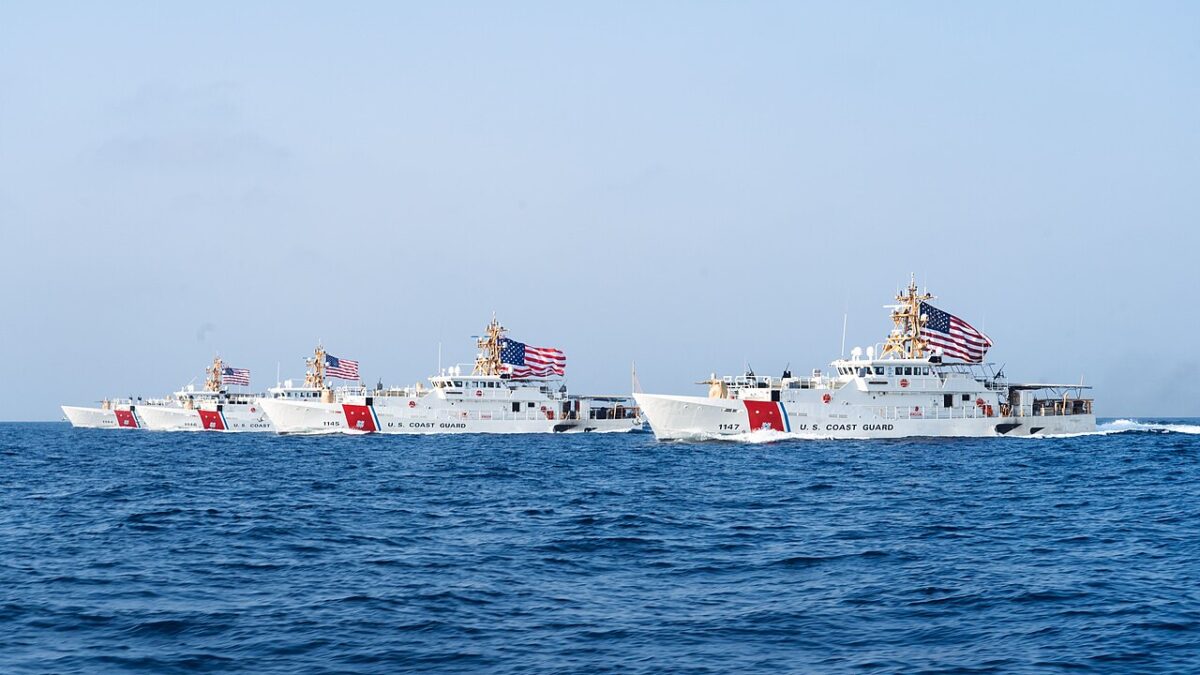
While missiles and aircraft dominate headlines, another battle is taking place on the waters near Iran. The Strait of Hormuz, one of the world’s most important shipping routes, has become a major focus of concern. The narrow passage connects the Persian Gulf with the Gulf of Oman and is a critical route for global energy shipments.
Millions of barrels of oil pass through the area every day, making any disruption a potential threat to energy markets worldwide.
A prolonged crisis near the waterway could affect more than governments and oil companies. Higher fuel costs could eventually affect transportation costs, food prices, and household budgets in countries thousands of miles from the conflict zone.
For many people watching from outside the Middle East, the war may feel distant. But energy markets have a way of connecting global events to everyday life.
A conflict that begins with military targets can eventually reach gas stations, grocery stores, and businesses around the world.
Iran’s Response Raises Fears of a Wider War
Iran has made clear that it will not ignore American military action. Tehran has promised retaliation and has warned that U.S. interests in the region could face consequences.
The challenge for Iran is to respond forcefully enough to maintain credibility while avoiding actions that could trigger an even larger American military response.
This creates a dangerous balance. Both sides want to demonstrate strength, but both also understand that a major escalation could carry enormous costs.
The Middle East has experienced decades of conflict in which limited confrontations quickly escalated due to alliances, political pressure, or unexpected attacks.
Countries across the region are watching carefully because they could become involved either directly or indirectly.
A single mistake, such as a strike that causes significant civilian casualties or hits a sensitive location, could change the entire direction of the crisis.
Why This Conflict Matters Beyond the Middle East
The confrontation between the United States and Iran is not only about two nations. It reflects larger struggles over military influence, regional dominance, and control of strategic resources.
The United States has long maintained military forces in the Middle East to protect allies, counter threats, and secure important trade routes.
Iran, meanwhile, has spent years expanding its influence in the region and challenging the American presence.
These competing interests have created repeated tensions, but direct military exchanges between the two countries remain especially dangerous because of their military capabilities and international connections.
Other world powers are also paying attention. Countries that depend on Middle Eastern energy supplies or maintain relationships with either Washington or Tehran have a strong interest in preventing the crisis from spreading.
Diplomatic pressure is likely to increase as governments push for stability and warn against a conflict that could damage global security.
The Human Cost Behind the Headlines
Beyond military strategies and political statements, there are people living through the consequences of the conflict.
Families near targeted areas face fear and uncertainty every time explosions are reported. Communities worry about safety, damaged infrastructure, and the possibility that the fighting could continue.
Military conflicts are often measured through weapons, territory, and strategic victories. But the human impact is usually felt most strongly by ordinary people who have little control over government decisions.
Every additional day of fighting creates more uncertainty for civilians who simply want stability and security.
That reality adds another layer of pressure on leaders to consider whether continued escalation is worth the risks.
The World Waits for the Next Move
After nine nights of strikes, the biggest question is what comes next. The United States may continue its military campaign if officials believe Iran remains a threat. Iran may increase its response if leaders believe they must demonstrate strength.
But every additional action carries consequences. The international community now faces a difficult challenge: encouraging diplomacy without appearing weak, while preventing a crisis that could become much harder to contain.
The coming days may prove critical. A decision made in a military command center or government office could influence the future of an entire region.
A Conflict That Could Define the Next Chapter of Middle East History
The ninth night of U.S. strikes against Iran represents more than another military operation. It marks a moment when years of tension have transformed into direct confrontation.
The missiles, aircraft, and military movements tell only part of the story. The deeper issue is whether powerful nations can prevent a dangerous cycle of retaliation from becoming a full-scale regional conflict.
For now, the world remains focused on the Middle East, watching every development and waiting for the next decision that could determine whether this crisis moves toward resolution or toward an even more uncertain future.