Supreme Court Reviews Case of Alaskan Bush Pilot Whose Plane Was Seized Over a Six-Pack of Beer, Raising Questions About Government Power
For most people, a six-pack of beer is an ordinary purchase. For an Alaskan bush pilot, however, a six-pack became the center of a constitutional battle that reached the highest court in the United States.
The Supreme Court’s decision to hear the case involving the confiscation of an Alaskan pilot’s aircraft has transformed a remote Alaska dispute into a national conversation about property rights, civil asset forfeiture, and whether government punishment can go too far.
The question before the justices is not simply about beer. It is about balance.
When authorities seize a valuable aircraft because of a relatively small alleged violation, how should courts determine whether the punishment fits the offense? And when that aircraft represents someone’s livelihood, transportation, and connection to isolated communities, does losing it become more than a legal penalty?
The case spotlights an unusual area of American law while highlighting the unique role aircraft play in Alaska, where planes are often not luxury items but essential tools for survival.
A Plane in Alaska Is More Than Transportation
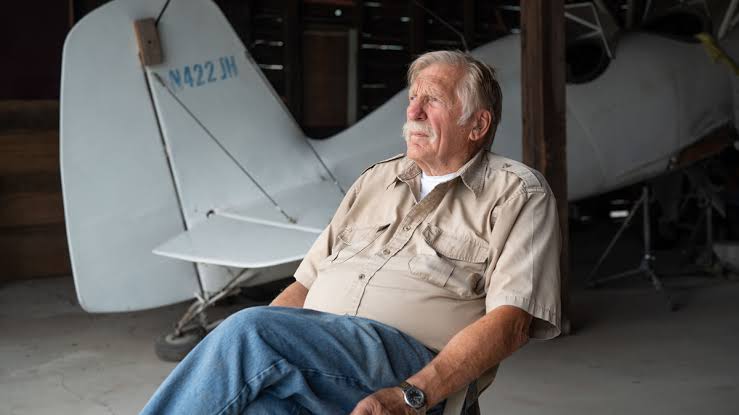
In much of the United States, losing access to a vehicle can create major problems. In rural Alaska, losing an airplane can be an entirely different experience.
Across the state’s vast wilderness, thousands of miles of rugged terrain separate communities that cannot easily be reached by traditional roads. For many residents, aircraft serve the same purpose that highways and bridges serve elsewhere.
Bush pilots transport supplies, connect remote communities, assist businesses, and provide access to areas where conventional transportation is limited.
For many pilots, an aircraft is not simply a possession sitting in a hangar. It is a workplace, an investment, and the foundation of a career.
That context has made the Supreme Court case especially significant among Alaska’s aviation community.
Supporters of the pilot argue that taking away an aircraft because of a minor alcohol-related allegation represents a punishment far beyond the original issue. They say the seizure demonstrates why courts must carefully examine whether government actions remain proportional.
How a Six-Pack of Beer Became a Supreme Court Dispute
The controversy began when authorities discovered that the pilot’s aircraft was connected to the transportation of beer into an area where alcohol restrictions applied.
Alaska has a complicated history with alcohol regulations, particularly in remote communities. Many villages have chosen to restrict or prohibit alcohol sales because of concerns about public health, safety, and social impacts.
The pilot’s legal dispute developed from that environment, where alcohol transportation rules can carry serious consequences.
What made the case unusual was the government’s decision to seize the aircraft itself.
Instead of facing only a traditional fine or citation, the pilot found himself fighting to recover an expensive piece of property.
The dispute quickly became larger than the original allegation.
It became a debate over whether the government’s response was reasonable.
The Constitutional Question: Can the Punishment Be Bigger Than the Offense?
The Supreme Court’s review centers on a major constitutional issue involving the Eighth Amendment’s protection against excessive fines.
The amendment was designed to prevent government penalties from becoming extreme or disproportionate.
Over the years, the Supreme Court has considered whether certain financial penalties and property seizures can cross that constitutional boundary.
The Alaskan aircraft case gives the justices another opportunity to examine that question.
The central issue is not whether governments can enforce laws. Governments have broad authority to regulate activities involving public safety.
The question is whether enforcement actions must have limits.
A penalty that removes an entire aircraft over a relatively small amount of alcohol creates a difficult legal and philosophical debate:
At what point does enforcement become excessive punishment?
Civil Asset Forfeiture: When the Government Takes Property
The case also highlights the controversial practice of civil asset forfeiture.
Unlike criminal cases, where prosecutors typically must prove a person committed a crime before imposing punishment, civil forfeiture cases often focus on the property itself.
The legal process can allow authorities to argue that an object, such as a vehicle, cash, or aircraft, was connected to unlawful activity.
Critics of civil forfeiture argue that the system can create unfair situations where property owners must fight lengthy legal battles to recover their belongings.
Supporters argue that forfeiture remains an important tool for disrupting illegal operations and preventing criminals from benefiting from unlawful activity.
The Supreme Court’s ruling could influence how courts evaluate similar disputes involving expensive property.
Why Pilots, Farmers, Truckers, and Business Owners Are Watching
Although the case involves an airplane, its implications could extend far beyond aviation.
The same legal questions can apply to many types of property:
- A truck used for work.
- Equipment needed for a small business.
- A boat used for commercial activity.
- A vehicle needed for transportation.
For people who rely on expensive tools to earn a living, property seizure can create consequences that extend beyond financial loss.
A business owner who loses equipment may lose income. A worker who loses a vehicle may lose access to employment.
That is why property rights advocates are closely watching the Supreme Court’s review.
The final ruling could influence how courts balance government enforcement power with individual property protections.
Alaska’s Remote Communities Add Another Layer to the Case
The location of the dispute makes the case particularly meaningful.
Alaska has always had a different relationship with transportation. In areas where roads are limited or nonexistent, aviation is deeply connected to daily life.
Bush pilots often operate in challenging conditions, navigating unpredictable weather, mountains, forests, and enormous distances.
Their aircraft can represent independence in a place where geography creates obstacles that do not exist elsewhere.
Because of that reality, many Alaskans view aircraft differently from people in urban areas.
A plane is not simply a recreational possession.
It can be the difference between reaching a community and being isolated from it.
The Supreme Court’s Previous Battles Over Excessive Punishment

The Supreme Court has previously considered whether government penalties can become so severe that they violate constitutional protections.
In earlier cases involving fines and forfeitures, the court has examined whether punishment must remain connected to the seriousness of the alleged offense.
Those decisions provide important background for the Alaska pilot’s case.
The justices may consider several factors, including:
- The seriousness of the alleged violation.
- The value of the seized property.
- The owner’s involvement.
- Whether the punishment is proportional.
The final decision could help clarify how courts should evaluate future forfeiture disputes.
Possible Outcomes and What the Ruling Could Mean
The Supreme Court’s decision could have consequences for both government agencies and property owners.
If the Pilot Wins
A ruling in favor of the pilot could strengthen constitutional limits on civil forfeiture.
Courts may become more likely to question whether large property seizures are excessive when compared with the underlying violation.
If the Government Wins
A ruling supporting the government could preserve broader enforcement powers.
Authorities may continue using forfeiture as a tool in cases involving transportation and regulated goods.
Either outcome could shape future legal battles involving seized property.
A Remote Alaska Dispute With a National Impact
The story began with a six-pack of beer in a remote corner of Alaska.
But the Supreme Court’s decision will address a much larger issue: how much power should the government have when taking someone’s property?
For the pilot, the case is about recovering an aircraft that represented his livelihood.
For legal experts, it is about defining the limits of government punishment.
For property owners across America, it raises a question that reaches far beyond Alaska:
When a violation occurs, where should the line be drawn between enforcement and excessive punishment?
The Supreme Court’s answer could shape the future of civil forfeiture and determine how far government agencies can go when valuable property becomes part of a legal dispute.