Television Broadcast Stations on Satellite: What You Actually Get, Why Channels Go Missing, and How the System Really Works
Satellite TV Local Channels Are Not as Simple as They Seem
Most viewers expect satellite television to function in a straightforward way. You subscribe, and every local channel appears automatically. In reality, it does not work that way.
Satellite TV is structured around rules set by lawmakers and enforced by the Federal Communications Commission. These rules determine which broadcast stations are considered “local,” which ones are allowed on your lineup, and why two households in the same region can receive completely different channels.
At the center of the system is a concept most viewers never hear about until something goes wrong: the local television market.
Local Channels Depend on Market Assignment, Not Geography or Preference

Your “local” channels are not chosen based on proximity or personal preference. They are determined by a media mapping system known as a Designated Market Area, or DMA. These regions are defined by viewing patterns rather than state borders or cultural identity.
This creates situations that often confuse viewers. A household may live in one state but receive television stations from another. Two neighbors may be assigned different markets depending on county boundaries. Even cities close to each other can fall under separate television ecosystems.
What feels local in everyday life is not always what counts as local in broadcasting terms.
Local-Into-Local Service Is the Core of Satellite TV Broadcasting
When satellite providers deliver local broadcast stations, the system is known as local-into-local service. This means the stations assigned to your television market are retransmitted back into that same market through satellite.
In practical terms, your ABC, CBS, NBC, FOX, PBS, and other local affiliates are selected based on your assigned DMA. If your market includes those stations and they agree to be carried, they become part of your satellite lineup.
However, this service is not universally guaranteed in the same way everywhere. Availability and channel combinations depend on provider agreements, technical capabilities, and market regulations.
Why Your Local Channel Lineup May Feel Incomplete or Confusing

When a local station is missing from satellite TV, it is rarely random. Several structured reasons explain the gap.
A station may be outside your assigned market, even if it is geographically close. It may have chosen not to enter a carriage agreement with the satellite provider. It may be involved in contract negotiations or retransmission disputes. In some cases, another station already serves the same network role in your market, reducing duplication.
This means the “local” lineup you receive is not a full map of nearby signals. It is a curated package shaped by regulatory rules and business agreements.
The Carry-One, Carry-All Rule Shapes What You See
When satellite providers choose to offer local channels in a market, they are often bound by a rule commonly known as carry-one, carry-all. This principle requires that if a provider carries one eligible local station, it must generally carry all qualifying stations in that market that request inclusion.
The goal is to prevent selective channel distribution that favors only large or profitable broadcasters. Instead, it ensures a broader representation of local voices, including major networks, independent stations, public broadcasters, and community-focused channels.
The result is a more complete but also highly regulated local lineup.
Why You May Be Watching Another State’s News Without Realizing It
One of the most surprising outcomes of the DMA system is that viewers often receive news from a state different from the one they physically live in.
This happens when a county is assigned to a television market centered across a state border. The satellite provider then delivers stations from that market as the “local” package.
This is especially common in border regions, rural counties, and areas where media markets overlap. As a result, local news, weather alerts, political coverage, and sports reporting may reflect a different state’s priorities.
The system is not designed around identity or convenience. It is designed around the broadcast market structure.
Market Modification Is the FCC’s Way to Fix Market Mismatches
In situations where the assigned television market does not reflect the community’s real needs, there is a legal process known as market modification. This process allows adjustments to which stations are treated as local for satellite distribution.
Under this system, the Federal Communications Commission can approve changes that add or reassign stations to better serve a community. These changes are evaluated based on factors such as historical viewing patterns, local service relevance, and technical feasibility.
However, individual viewers cannot file these requests directly. Instead, petitions must be submitted by a television station, a satellite provider, or a county government. Viewers can influence the process by requesting action from these groups.
Distant Stations Are Not a Standard Option for Most Households
Many people assume they can request television stations from any city or state through satellite service. In reality, distant network stations are tightly restricted.
These stations are outside your assigned market and are protected to preserve local broadcasting rights and advertising structures. Allowing unrestricted access would undermine the value of local stations within each market.
Only limited categories qualify for distant station access, including certain mobile users, specific legacy situations, and narrowly defined market gaps. For most residential viewers, distant stations are not available on demand.
Significantly Viewed Stations Are the Rare Out-of-Market Exception
Some stations outside your assigned market are classified as significantly viewed. These are stations that, despite being outside your DMA, have historically maintained strong viewership in your area.
Because of that established audience presence, they may be eligible for satellite carriage under special conditions. These stations often sit near market borders and serve overlapping communities.
However, inclusion is not automatic. Even if a station qualifies, the satellite provider must choose to carry it in accordance with applicable rules.
Free Over-the-Air Antennas Remain a Powerful Alternative
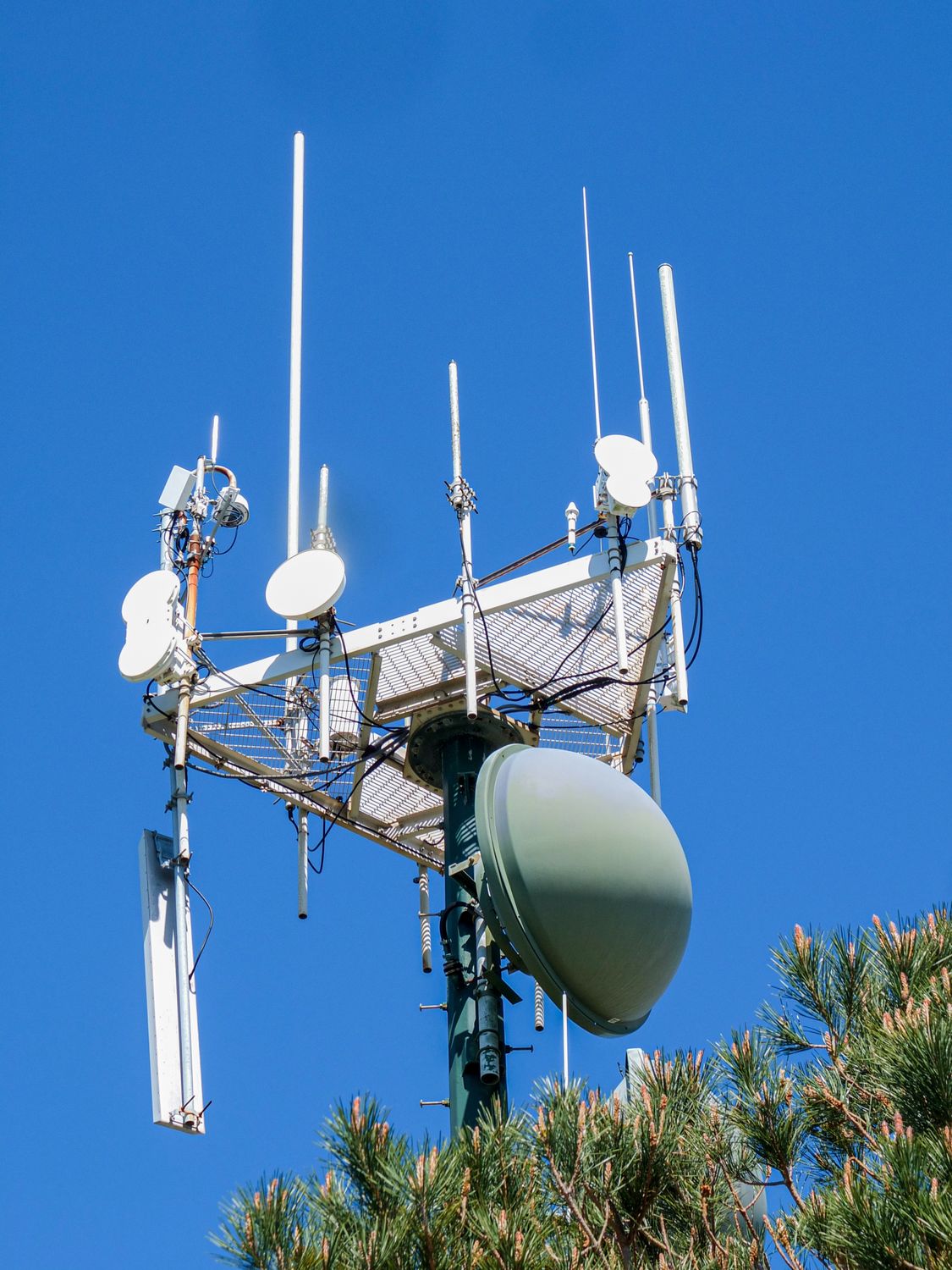
While satellite TV operates within strict market rules, over-the-air antennas operate outside of them. A TV antenna receives broadcast signals directly from local towers without relying on satellite distribution agreements.
This means viewers can often access local channels for free, provided they are within range of broadcast signals.
Antenna reception can include:
Local news and weather coverage
Emergency alerts and public safety updates
Network programming in high definition
Additional subchannels not carried by satellite providers
In many households, antennas serve as a reliable backup or even a primary source of local television.
Why Channels Disappear Suddenly From Satellite TV
When a local channel vanishes from a satellite lineup, it is often the result of retransmission negotiations between broadcasters and providers. These agreements determine whether a station consents to be carried and under what financial terms.
If negotiations fail, the station may temporarily go dark on satellite even though it continues broadcasting over the air. This creates the impression that the channel has been removed entirely, when in fact only the satellite feed has been interrupted.
An antenna can bypass these disputes entirely.
Equipment Matters More Than Most Viewers Realize
Access to full local broadcast service, especially in HD, can depend on equipment compatibility. Some households require updated receivers, additional satellite dishes, or configuration adjustments to properly display all available local stations.
If HD channels are missing while standard definition channels remain, the issue is often technical rather than regulatory.
Satellite providers typically determine the correct equipment setup based on the local market and service package.
The Real Structure Behind Satellite Broadcast Television
Satellite television is not a random collection of channels. It is a structured system built on market boundaries, broadcast rights, regulatory rules, and technical delivery networks.
The local channels you receive are shaped by DMA assignment. The missing channels are often the result of carriage agreements or market boundaries. The exceptions are defined by special rules, such as significant viewing status or market modification. And the most flexible layer of access still comes from over-the-air antenna reception.
Once this structure is understood, satellite TV stops feeling inconsistent and starts looking like what it truly is: a tightly regulated broadcast ecosystem designed to balance viewer access with local station protection.
The most reliable setup for many households is not choosing between systems, but combining them. Satellite provides structure and national programming. Antennas fill in local gaps. Together, they create a more complete and resilient television experience.