Fetterman Challenges Trump Over 2020 Election Claims as Fight Over Election Security Intensifies
Sen. John Fetterman is pushing President Donald Trump to move beyond the 2020 election and focus on governing, reigniting a national debate over election security, foreign interference and the future of American democracy.
The Pennsylvania Democrat made his comments after Trump delivered a prime-time address highlighting allegations involving China, voter information and election interference. Fetterman argued that the country’s attention should be directed toward current challenges instead of returning to a presidential election that was decided years ago. The clash has placed three major issues back in the spotlight: election integrity, cybersecurity threats and the responsibilities that come with holding the presidency.
Fetterman’s Message to Trump: Focus on Governing Instead of Revisiting 2020

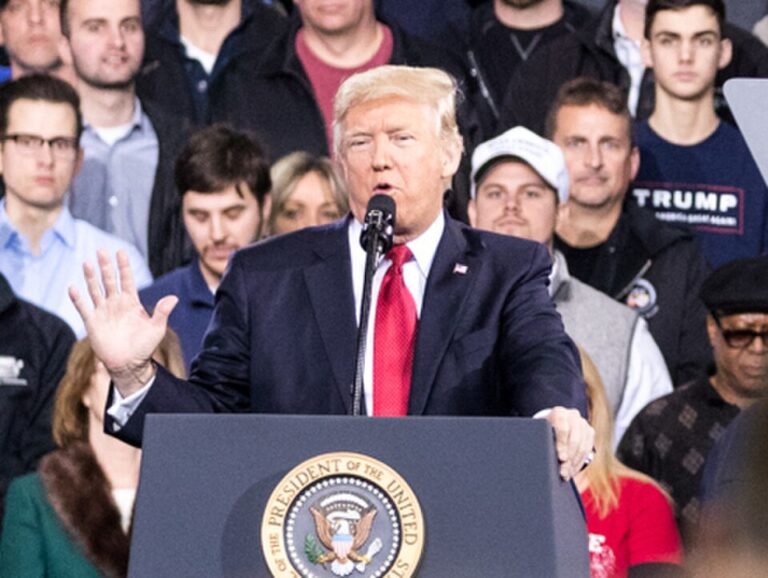
Matt Johnson from Omaha, Nebraska, United States, CC BY 2.0, via Wikimedia Commons
Fetterman’s criticism centered on the idea that the presidency requires attention to present-day problems rather than continued debate over past elections. During his appearance on CNN’s State of the Union, the senator questioned why Trump was continuing to revisit the 2020 election, arguing that Americans expect leaders to focus on solutions that directly affect their lives.
The senator pointed to ongoing national and international challenges, including security concerns, economic pressures and global conflicts. He argued that the country faces immediate issues requiring presidential action, and political energy should be directed toward those priorities rather than disputes over a previous election.
Fetterman’s comments gained attention because he has not always followed a traditional partisan approach toward Trump. The Pennsylvania senator has supported cooperation with the administration on certain issues, making his criticism more specifically focused on election claims rather than a broader rejection of Trump’s presidency.
Trump Revives Debate Over China and Election Interference Claims
Trump’s prime-time address reopened a debate over foreign interference, voter information and the security of American elections. The president pointed to newly released information and argued that China attempted to interfere with U.S. elections, including through access to voter-related information.
The controversy has shifted the discussion beyond traditional election fraud claims and into the wider issue of cybersecurity. Modern elections depend on large digital systems, databases and networks that require constant protection from foreign governments and cybercriminal groups.
At the center of the dispute is Trump’s claim that approximately 220 million voter records were compromised in a major security breach. Supporters argue that such allegations deserve serious investigation because protecting voter information is a national security priority.
However, cybersecurity experts and election officials emphasize that accessing voter information is different from changing election results. The debate involves separate questions: whether data was obtained, whether foreign actors attempted influence operations, and whether any ballots or vote totals were actually altered.
Election Security Risks Are Different From Proof of Vote Manipulation
One of the most important distinctions in the debate is the difference between election vulnerabilities and evidence that an election outcome changed. Voter databases can contain valuable information that foreign governments may try to collect for intelligence purposes, political targeting or influence campaigns.
Protecting those systems remains a major responsibility for election officials across the country. The United States has invested heavily in improving cybersecurity, strengthening voter databases and creating additional safeguards to protect election infrastructure.
The 2020 presidential election involved more than 150 million votes, all processed across 50 states and thousands of local election jurisdictions. Election officials used multiple layers of protection, including paper ballots, audits, recount procedures and certification processes.
The central question remains whether foreign interference changed the final result. Official reviews have not established that China or another foreign government altered vote totals or changed the certified outcome of the election.
Pennsylvania Remains at the Heart of the 2020 Election Debate
Fetterman’s comments carry additional significance because Pennsylvania was one of the most important battleground states in the 2020 presidential race. The state helped determine the outcome of the election, with Joe Biden winning Pennsylvania by approximately 80,555 votes.
That result came after ballots were counted across 67 counties, representing millions of voters throughout the state. The election process included reviews, legal challenges and certification procedures before the final result was accepted.
Fetterman argued that Pennsylvania voters made their decision and that the state’s certified outcome reflected the will of its residents. He emphasized that election officials across the state, including those in heavily Republican counties, did not find evidence of fraud large enough to change the result.
Pennsylvania remains a political battleground because it has shifted between parties in recent presidential elections. The state’s voters continue to play a major role in determining national political outcomes.
Why Fetterman’s Criticism Is Receiving National Attention
Fetterman’s comments stand out because they come from a Democrat who has occasionally broken with members of his own party on certain issues. His willingness to support some Trump-backed positions has helped create a reputation as a more independent voice within the Senate.
That background gives his criticism a different tone. Instead of attacking Trump’s entire political agenda, Fetterman focused on what he believes should be the president’s current responsibility: addressing the challenges facing Americans today.
His comments highlight a larger political debate about presidential leadership. Supporters of Trump argue that investigating election vulnerabilities is necessary to protect future elections, while critics believe continued focus on 2020 distracts from current policy decisions.
The Larger Debate Over Trust in American Elections
The dispute between Trump and Fetterman reflects a much broader national conversation about confidence in elections. Millions of Americans continue to view election security as one of the most important issues facing the country.
Election officials face the challenge of protecting voting systems while also maintaining public trust. Strong cybersecurity protections, transparent procedures, and independent reviews are widely viewed as essential parts of a reliable election system.
The debate has become increasingly complex because both sides agree that election security matters, but they disagree about how threats should be interpreted. Supporters of stricter election measures argue stricter rules are needed to prevent future problems, while opponents warn that unsupported claims can damage confidence in legitimate election results.
Foreign Interference Remains a Real National Security Concern
The United States has faced foreign influence attempts from multiple countries, including Russia, China and Iran. These efforts can include cyber operations, misinformation campaigns and attempts to collect information about American political systems.
However, intelligence officials distinguish between influence efforts and actual changes to election results. A foreign government attempting to gather information does not automatically mean that votes were altered or that an election outcome was manipulated.
That distinction has become central to the current debate. Protecting election systems from foreign threats remains a serious responsibility, but claims about changed outcomes require direct evidence showing that ballots, vote counts or certification processes were affected.
The Political Fight Over Election Security Continues
The debate surrounding Trump’s 2020 election claims is likely to remain a major political issue as future elections approach. Both parties continue to use election security as a key part of their messages to voters.
Republicans argue that stronger voting protections are necessary to prevent fraud and increase public confidence. Democrats argue that election policies should focus on security measures while ensuring eligible voters can participate without unnecessary obstacles.
At the center of the discussion are millions of Americans deciding what election confidence should look like in the modern era. The conversation involves technology, cybersecurity, political trust, and the future of democratic institutions.
Final Takeaway: Fetterman Calls for a Focus on the Future
Fetterman’s message to Trump was centered on one major point: the country needs leadership focused on current challenges rather than continuing to debate the 2020 election.
Trump’s supporters argue that examining election vulnerabilities is necessary to strengthen future elections. Critics argue that allegations involving election outcomes must be supported by clear and verifiable evidence.
The broader issue remains larger than one political disagreement. Election security is a serious national concern involving foreign threats, technology, and public confidence. The challenge for the country is finding the balance between protecting elections and ensuring that political debates remain grounded in facts and evidence.