The New Car Technology Fight Has Americans Asking One Big Question: Who Really Controls Your Vehicle?
A battle over the future of driving is unfolding in Washington after a Biden-era vehicle safety requirement sparked a fierce debate over privacy, personal freedom, and the growing role of technology inside everyday cars. A Republican lawmaker is pushing to repeal the measure, warning that advanced monitoring systems could give vehicles too much control over drivers, while safety advocates argue the technology could prevent thousands of deadly crashes.
The fight is about much more than a so-called “kill switch.” It represents a larger national debate over how much control Americans should give artificial intelligence, sensors and automated systems inside their vehicles. As cars become more connected and computerized, lawmakers are now confronting a difficult question: when does safety technology become a threat to personal choice?
The “Kill Switch” Debate That Put America’s Cars Under a Microscope
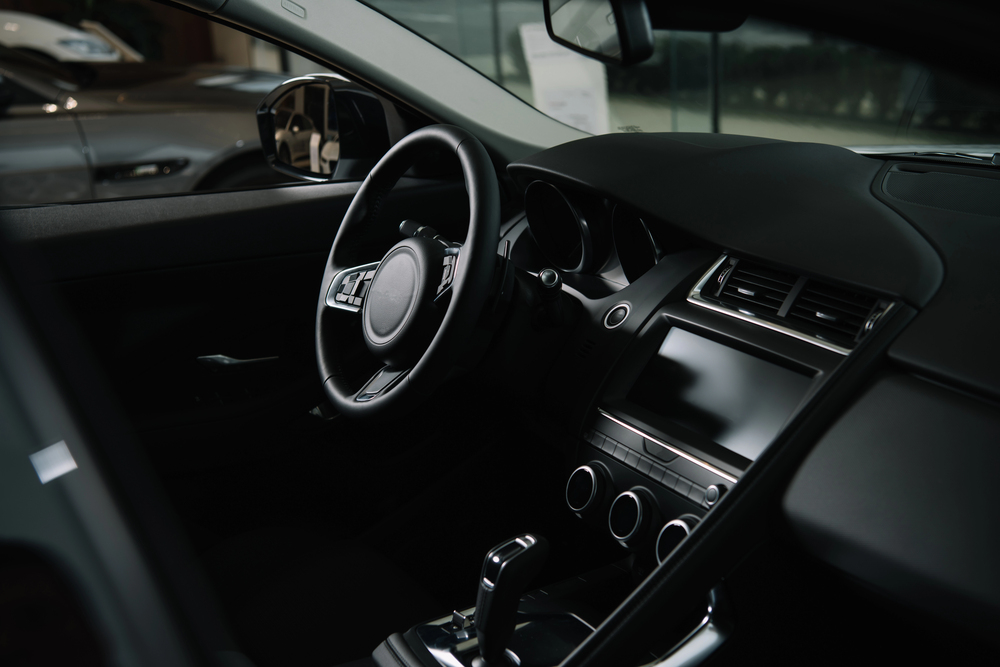
Rep. Scott Perry of Pennsylvania has introduced legislation aimed at repealing a provision from the Infrastructure Investment and Jobs Act that requires regulators to develop technology capable of detecting driver impairment. Perry has criticized the measure, arguing that Americans should not be forced to drive vehicles that can monitor their behavior and potentially limit vehicle operation.
The law does not specifically create a government-controlled button that can instantly shut down every vehicle on the road. Instead, it directs the National Highway Traffic Safety Administration to establish safety standards for technology that can identify possible impairment and prevent or restrict operation when necessary. The difference has become a major part of the political debate, with supporters and critics using very different descriptions of what the technology could become.
Your Car Is Becoming a Computer, and That Is Changing the Privacy Debate
Modern vehicles already contain powerful technology that would have seemed impossible decades ago. Cameras, sensors, navigation systems, driver assistance tools and internet-connected features now allow cars to collect and process large amounts of information about how people drive.
The impairment monitoring debate has pushed a larger question into the spotlight: how much information should vehicles collect about their owners? Critics worry that systems designed for safety could eventually expand into broader forms of surveillance, while supporters argue that technology can improve safety if strong privacy protections are included.
Why Safety Advocates Say Impaired Driving Technology Could Save Lives
Supporters of the vehicle monitoring requirement argue that the focus should remain on preventing dangerous crashes caused by impaired drivers. Organizations such as Mothers Against Drunk Driving have argued that advanced safety technology could help reduce deaths caused by alcohol-related crashes, which continue to affect families across the country.
The argument from safety advocates is that Americans already accept many vehicle technologies designed to protect lives. Seat belts, airbags, backup cameras, and other safety systems were once debated but eventually became standard features because they reduced injuries and fatalities. Supporters believe impairment detection technology could follow a similar path if developed responsibly.
The Technology Challenge: Can a Car Really Know When Someone Is Impaired?
One of the biggest challenges facing the proposed technology is accuracy. Detecting whether someone is legally impaired is far more complicated than simply measuring driving behavior because people can drive differently for many reasons unrelated to alcohol or drugs.
The National Highway Traffic Safety Administration has acknowledged that current impairment detection technology remains challenging. Researchers must create systems that can identify dangerous impairment while avoiding false alarms caused by fatigue, medical conditions, stress, or unusual but legitimate driving situations.
The Worst-Case Scenario Critics Fear: When the Vehicle Makes the Wrong Decision
Opponents of the technology have raised concerns about what could happen if an automated system makes a mistake. A driver could be incorrectly identified as impaired, leaving them unable to operate their vehicle during an emergency or dangerous situation.
Critics have pointed to scenarios involving medical emergencies, extreme weather, or personal safety threats where a driver may behave differently from normal. They argue that a machine may not understand context the way a human can, creating risks if technology is given too much authority over transportation decisions.
Why Some Americans Say New Cars Are Becoming Too Expensive and Complicated
The debate also connects to concerns about the rising cost of new vehicles. Modern cars already include advanced electronics, cameras, and automated features that can increase purchase prices and make repairs more expensive.
Critics argue that mandatory technology requirements limit consumer choice by forcing buyers to pay for features they may not want or need. They believe Americans should have the ability to choose simpler vehicles without advanced monitoring systems if affordability is a priority.
The Hidden Battle Over Who Owns Your Vehicle Data
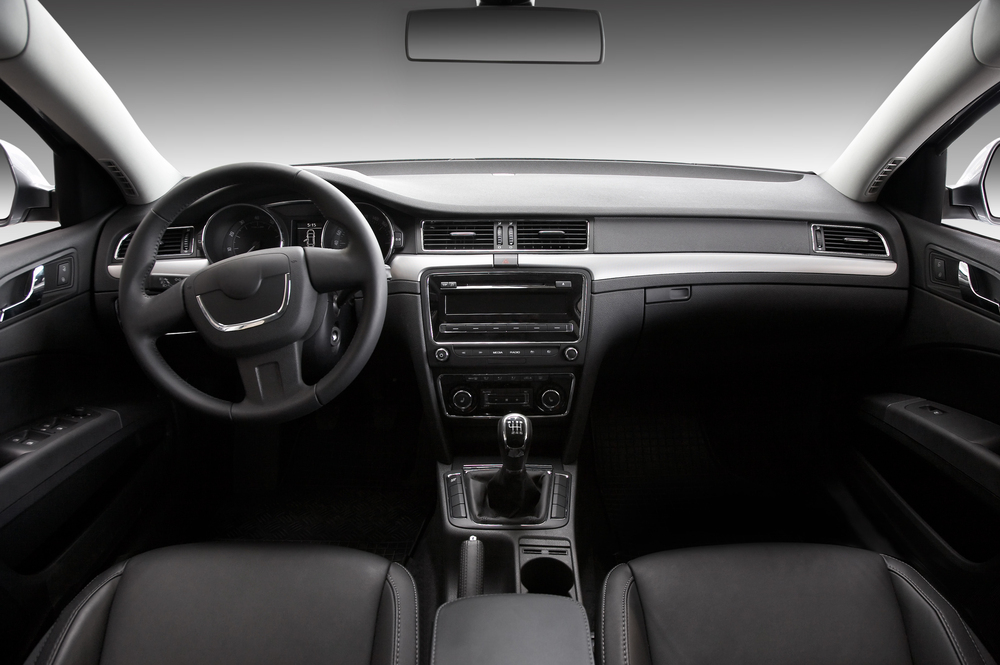
As cars become more connected, another major question is emerging: who controls the information collected by vehicles? Modern cars can record driving patterns, performance information and other data, raising concerns about access and ownership.
Privacy advocates worry about whether manufacturers, insurance companies or government agencies could eventually use vehicle data in ways drivers did not expect. Supporters of connected technology argue that data can improve safety, but they agree that clear rules are needed to protect consumers.
The Car Safety Debate Has Happened Before, But Technology Makes It Different
Many vehicle safety requirements faced opposition when they were first introduced. Seat belts, airbags, and other protections were once criticized by some drivers who viewed them as unnecessary government interference.
The difference today is that modern safety systems are increasingly powered by software and artificial intelligence. Instead of simply protecting drivers during crashes, newer technologies can monitor behavior and make decisions, creating a new debate about the relationship between humans and machines.
The “Kill Switch” Fight Could Shape the Future of Self-Driving Cars
The argument over impairment monitoring is connected to a much larger transformation happening in the automotive industry. As companies develop more advanced driver assistance systems and autonomous vehicles, cars are becoming increasingly capable of analyzing human behavior.
The current debate may influence how Americans view future technologies that rely on artificial intelligence. If drivers believe new systems protect them without limiting their freedom, adoption may increase. If they believe technology gives companies or governments too much control, resistance could grow.
The Bigger Question Is Not Whether Technology Belongs in Cars, But How Much Control It Should Have
The fight over Biden’s vehicle safety requirement represents a larger struggle over the future of transportation. Americans are being asked to balance two competing priorities: preventing avoidable deaths while protecting privacy, independence, and personal choice.
As vehicles become smarter, the debate will likely continue far beyond this single law. The future of driving will depend on finding a balance between innovation and freedom, ensuring that technology serves drivers without making them feel like passengers in their own cars.