All 16 Felony Charges Against Louisiana Attorney General Liz Murrill Dropped as Political Fight Intensifies
Louisiana Attorney General Liz Murrill is no longer facing criminal prosecution after a special prosecutor dismissed all 16 felony charges brought against her in a bitter dispute over the restructuring of New Orleans courts.
The dismissal closed an extraordinary case that briefly placed Louisiana’s top law enforcement official under indictment. Murrill had been accused of threatening the jobs of New Orleans officials who resisted a Republican-backed overhaul of the city’s court system. The prosecution was halted almost immediately after the July 2 indictment, and the case was formally closed after local leaders asked that the charges be withdrawn.
“What I did was not a crime, it was never a crime,” Murrill said after the dismissal. She described the case as a malicious prosecution.
The charges are gone, but the political struggle that produced them remains. At its center is a contest over state power, local control and the fate of an elected court clerk whose office was abolished before he could take the job.
Why Liz Murrill Was Indicted
A New Orleans grand jury charged Murrill with eight counts of public intimidation and eight counts of malfeasance in office. The allegations grew out of letters she sent during a confrontation over the Orleans Parish court clerk system.
New Orleans leaders opposed a state law that eliminated one clerk’s office and combined its duties with another. When the City Council attempted to arrange a special election for the consolidated position, Murrill warned officials that they could lose their offices if they violated Louisiana’s “usurper” laws.
Murrill argued that she was performing her duty by explaining the law. Her critics said she had used the power of her office to pressure local leaders into abandoning their opposition.
A Court Clerk Election Sparked the Conflict

The confrontation began with Calvin Duncan, an exoneree and criminal justice advocate who spent nearly three decades in prison.
Duncan won election as clerk of the Orleans Parish Criminal District Court. Before he could begin serving, Louisiana lawmakers abolished the office and combined its responsibilities with another clerk’s position.
Republican supporters presented the change as an efficiency measure. New Orleans leaders viewed the timing with suspicion. Duncan had won the support of voters, yet the position he was elected to fill disappeared before he could assume it.
The City Council later scheduled a special election that could have allowed Duncan to compete for the consolidated job. That decision triggered Murrill’s warning letters and pushed the state-city conflict into criminal territory.
Louisiana Supreme Court Quickly Froze the Case
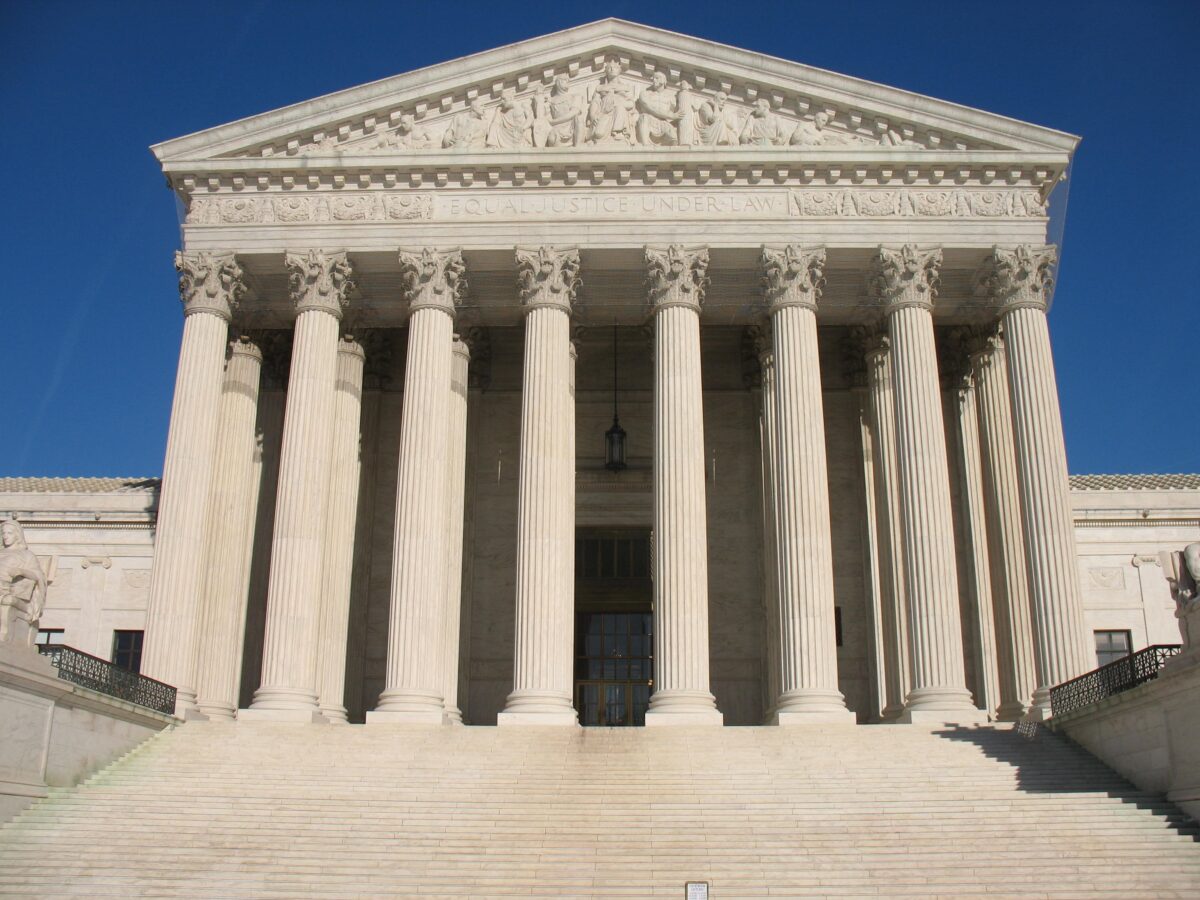
The prosecution began to unravel almost as soon as the indictment was announced.
The Louisiana Supreme Court placed the case on hold after finding procedural problems surrounding the indictment. The intervention prevented the prosecution from advancing while questions about the grand jury process and the special prosecutor’s role were examined.
The dispute was never fully resolved because the charges were dismissed before those questions could be litigated. Even so, the court’s intervention cast doubt over the indictment and strengthened Murrill’s claim that the prosecution had been mishandled.
New Orleans Leaders Asked for Dismissal
The decisive development came when the officials described as targets of Murrill’s warnings asked special prosecutor Laurie White to end the case.
New Orleans District Attorney Jason Williams, Mayor Helena Moreno and five City Council members submitted a letter urging dismissal. They acknowledged that Murrill’s correspondence contained threatening language, but said they never believed the threatened consequences could lawfully or practically be carried out.
They also said they had not been intimidated and had continued serving the city without hesitation.
Their request weakened the case’s foundation. A prosecution centered on alleged intimidation became harder to sustain once the public officials involved said they did not want it to continue.
White submitted the letters to a judge and had every count dismissed. Orleans Parish court records then listed the case as closed. White defended her conduct, saying she had fulfilled her lawful duty and emphasizing that a grand jury had returned the indictment. She also criticized what she called extraordinary interference in the case.
Murrill Claims Vindication
For Murrill, the dismissal was a clear victory.
She had consistently argued that her letters were legal advice, not criminal threats. Her position was that the Legislature created the relevant laws and that she merely explained how they applied to officials challenging the state’s restructuring plan.
The dismissal means she will not face trial or punishment on the 16 felony counts. It does not amount to a jury acquittal because the evidence was never tested at trial.
Murrill’s supporters will likely present the outcome as proof that the indictment should never have been brought. Her critics may continue arguing that the tone of her letters was inappropriate, even though the prosecution is over.
Jeff Landry Wants the Indictment Investigated
Republican Gov. Jeff Landry strongly defended Murrill from the beginning. Before the charges were dismissed, he promised a swift pardon and attacked the New Orleans proceedings as illegitimate.
After the dismissal, Landry said he would welcome state and federal investigations into how the attorney general was indicted. His response suggests that Louisiana’s Republican leadership does not consider the matter finished.
Any investigation could shift attention from Murrill’s conduct to the grand jury process and the special prosecutor’s decisions. It could also deepen distrust between Baton Rouge and the state’s largest city.
The Deeper Fight Is About Power
The criminal case was only one part of a larger struggle.
Louisiana’s Republican leaders say the state has the authority to reorganize local institutions and enforce laws passed by the Legislature. New Orleans officials argue that state leaders have interfered with the city’s democratic choices.
Duncan’s abolished office remains the emotional core of the dispute. He won an election, but the office disappeared before he could serve. The state calls that lawful consolidation. Critics see it as a rejection of local voters.
Murrill’s letters raised another question: How far can an attorney general go when warning local officials about legal consequences? A firm explanation of the law may be part of the job. A warning that elected officials could lose their positions may feel like intimidation.
That boundary was never clearly defined because the prosecution ended before trial.
Charges Vanish, but Political Damage Remains
All 16 felony charges against Liz Murrill have been dismissed. She remains Louisiana’s attorney general, and the immediate threat to her office and freedom has disappeared.
Yet the episode has left scars across the state’s political system. New Orleans leaders still resent the court restructuring. Murrill believes she was targeted for carrying out her duties. Landry wants the indictment examined, while White insists the grand jury’s decision should not be treated as meaningless.
The criminal docket is closed, but the conflict over who controls New Orleans institutions is not. What began as a dispute over a court clerk has become a defining battle over law, democracy and power in Louisiana.