More Republicans Say Trump’s Policies Are Hurting the Economy, New Poll Shows
The most important political warning for President Donald Trump may not be coming from Democrats, economists or cable news commentators. It is coming from Republican kitchen tables.
A growing share of Trump’s own supporters now believe his economic policies are making conditions worse, according to a new Pew Research Center poll. The shift does not amount to a Republican revolt. Still, it reveals something potentially more damaging ahead of the 2026 midterm elections: loyalty to Trump is no longer automatically translating into confidence in his economic record.
Pew found that 28% of Republicans and Republican-leaning independents say Trump’s policies have worsened the economy. That figure stood at 18% in January. Meanwhile, the share of Republicans who believe his policies improved conditions dropped sharply from 57% to 42%. Across all Americans, 60% now say Trump’s economic agenda has made the economy worse.
That movement inside the GOP deserves more attention than the predictable partisan divide.
The Republican base is not breaking, but it is bending

Most Republican voters have not abandoned Trump. About 69% still approve of his overall job performance, according to Pew. Many continue to defend his tariffs, tax policies and broader “America First” agenda.
However, voters can support a president while losing faith in one part of his record.
That distinction may become crucial in November. A Republican who feels disappointed by the economy does not have to vote for a Democrat to hurt the GOP. That voter could stay home, skip a congressional race or participate without the enthusiasm that powered Trump-aligned candidates in previous elections.
Economic frustration often weakens a political movement quietly before it changes votes openly.
The polling also shows that only 24% of Americans rate the economy as excellent or good. Even among Republicans, positive views fell from 49% in January to 41% in July.
The political danger lies in the gap between the economy Washington describes and the economy families experience.
Voters judge the economy one receipt at a time
The White House can point to tax relief, investment announcements and a monthly decline in inflation. Families are more likely to judge economic progress by the price of groceries, gasoline, rent, insurance and health care.
That is why positive statistics may struggle to change public opinion.
The Consumer Price Index fell 0.4% in June, marking the largest monthly decrease since April 2020. Yet overall prices remained 3.5% higher than a year earlier. Food consumed at home was up 2.7%, shelter costs rose 3.3%, and restaurant prices increased 3.4%.
Those numbers create a strange economic reality. Inflation can cool while households continue feeling squeezed because lower inflation does not mean prices have returned to earlier levels. It simply means prices are increasing more slowly, remaining steady or declining from an already expensive starting point.
A family does not celebrate because its grocery bill rose less quickly than expected. It still has to pay the bill.
Gas prices have become a billboard for economic anxiety
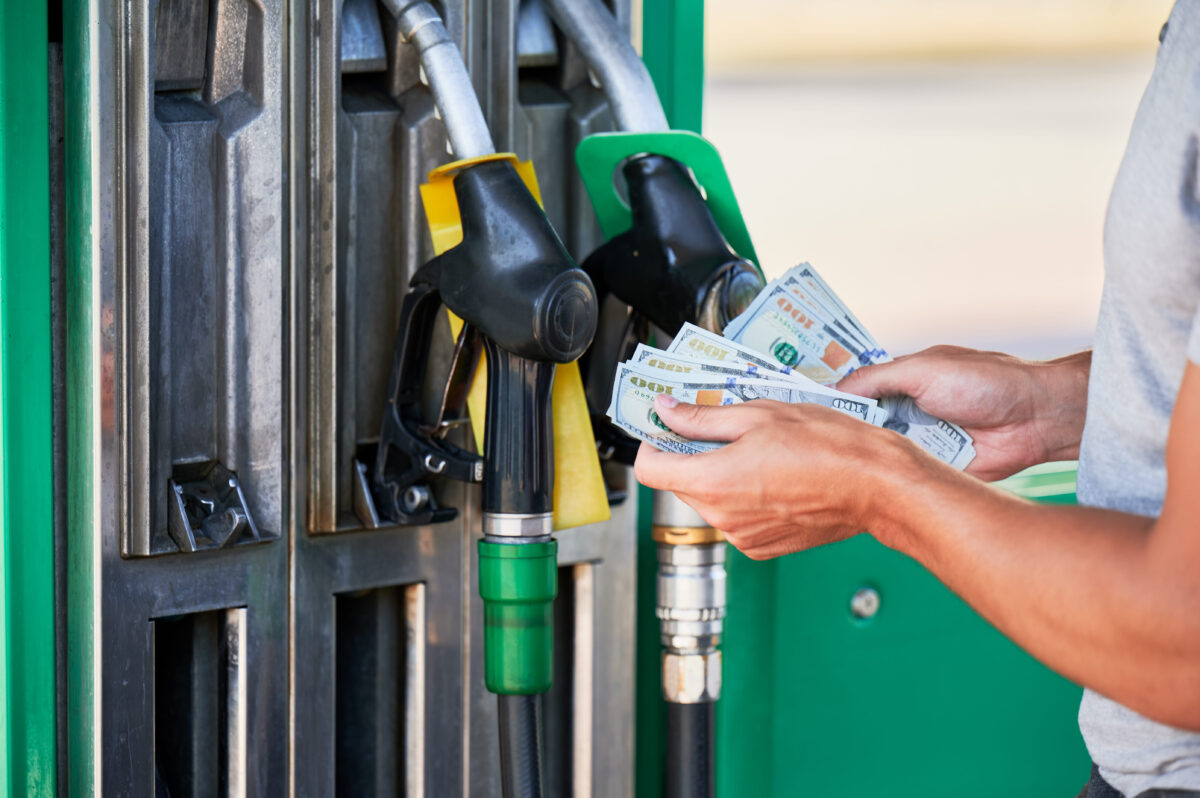
Few prices carry more political power than the number displayed outside a gas station.
AAA reported that the national average for regular gasoline reached $4.091 per gallon on July 23. That was about 15 cents higher than one week earlier, and nearly 94 cents above the average recorded a year earlier. Most states were averaging at least $4 per gallon.
The spike has been linked to higher crude oil prices and instability around the Strait of Hormuz. Those international forces are not controlled entirely by any president. Voters, however, rarely divide responsibility with such precision.
The president in office usually receives credit when fuel prices fall and blame when they rise.
Gasoline also affects more than commuting. Higher fuel costs can increase shipping, food distribution, airline and small-business expenses. A price displayed at the pump can eventually echo through several parts of a household budget.
For Trump, that bright roadside number may be more politically persuasive than any speech about long-term economic strategy.
The administration’s strongest defense may not be enough
The White House has emphasized larger tax refunds and direct tax relief as evidence that its policies are helping American workers. Those benefits may provide meaningful breathing room for households carrying debt or facing major expenses.
However, a tax refund arrives once. Rent, groceries, utilities, and gasoline arrive repeatedly. That difference explains why voters can receive a larger refund and still believe the economy has deteriorated. One-time relief may feel temporary when recurring costs continue consuming a larger share of monthly income.
The administration also faces a messaging problem surrounding tariffs. Trump presents tariffs as a way to protect domestic industries, reduce reliance on foreign producers and force trading partners into better agreements. Critics argue that import taxes can raise costs for businesses and consumers before any promised manufacturing gains appear.
For voters, the debate may be reduced to a simpler question: Are things becoming more affordable?
So far, many are answering no.
Democrats now have an opening, not a guaranteed victory
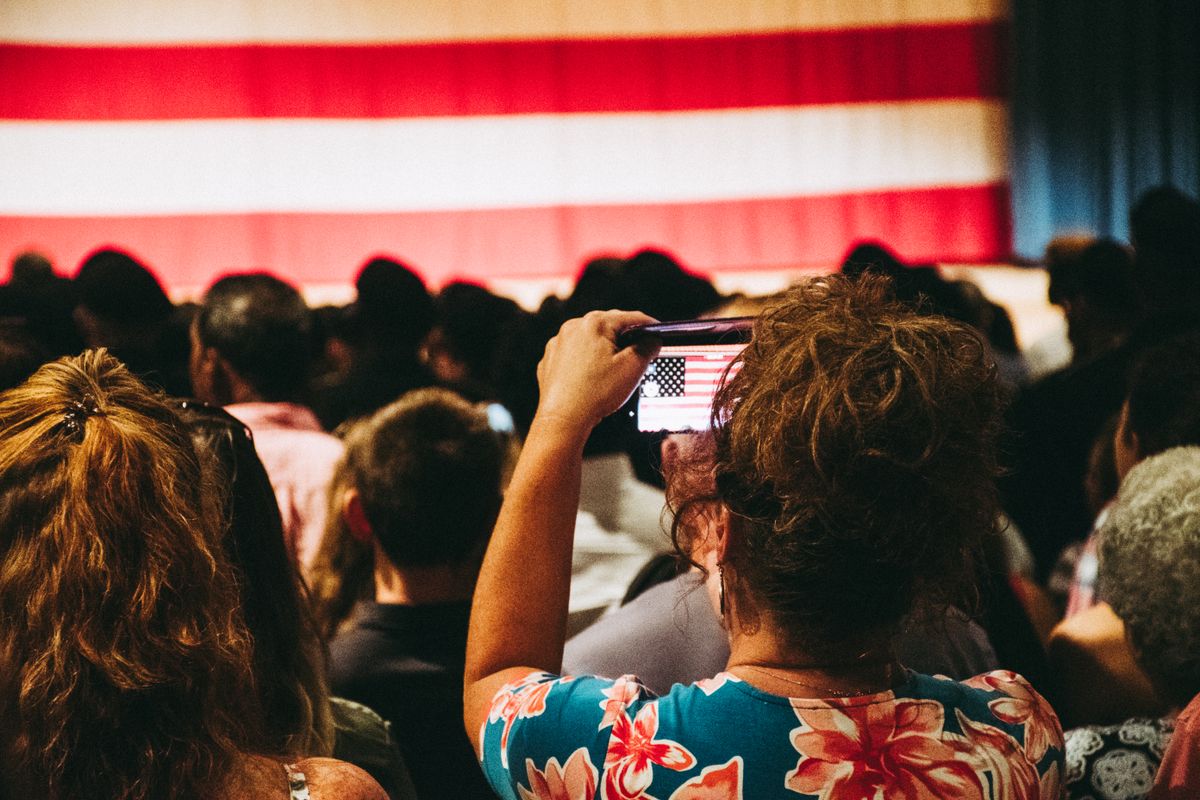
Economic dissatisfaction gives Democrats a powerful midterm argument, but it does not guarantee that voters trust them to provide a solution.
Pew found Americans almost evenly divided over which party they agree with on economic policy, with 37% favoring Democrats and 36% siding with Republicans. Before Trump returned to office, Republicans held a clearer advantage on the issue.
Democrats must therefore offer more than criticism. They will need specific, believable plans addressing housing, health care, food, energy and wages. Voters who feel let down by Trump may not automatically embrace another party’s promises.
Still, the political atmosphere is shifting. Among registered voters, 42% say they view their congressional vote as a vote against Trump, while 22% describe it as a vote for him.
That imbalance could turn economic unease into an enthusiasm problem for Republican candidates.
The new poll does not show Trump losing control of his party. It shows something subtler: more Republicans are beginning to separate support for the president from trust in his economic policies.
That separation is where political trouble often begins.