Ukraine Targets Iran-Russia War Network as Caspian Strike Raises Stakes
Ukraine’s war with Russia may no longer be confined to Europe. A Ukrainian strike in the Caspian Sea, combined with President Volodymyr Zelenskyy’s promise to share intelligence about alleged Russian assistance to Iran, is pulling Kyiv deeper into the confrontation surrounding Tehran.
The development matters because Ukraine is no longer treating Iran simply as a supplier of drones to Moscow. Kyiv is presenting Russia and Iran as parts of one military system, with weapons, intelligence and logistics moving in both directions.
Kyiv offers intelligence on alleged Russian support
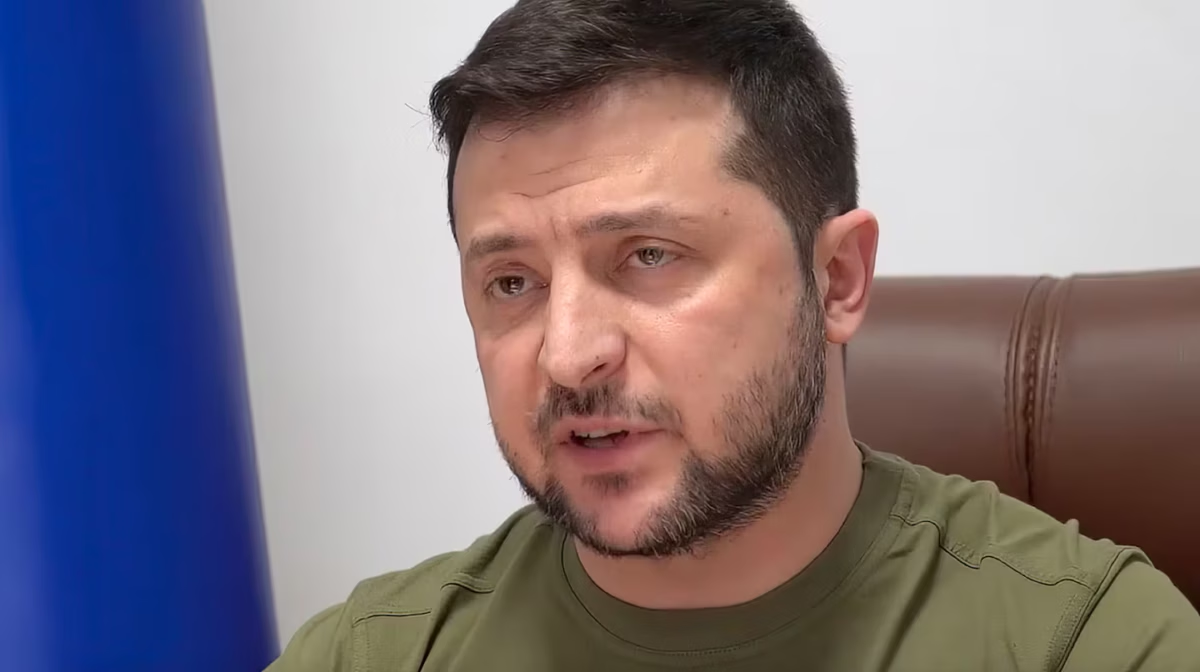
Zelenskyy said Ukrainian intelligence had tracked Russian satellite surveillance of Persian Gulf states and American military facilities since the beginning of July. He alleged that imagery gathered by Russian satellites later reached Iran and corresponded with Iranian strikes before and after they occurred.
According to the Ukrainian president, Russian satellites focused on four air bases on July 19 and July 20: two in Bahrain, one in Jordan and one in Kuwait. He said he would instruct Ukraine’s intelligence services to share their information with partner governments.
The claim remains unproven publicly. Zelenskyy did not release the underlying evidence, and American intelligence officials have reportedly not reached a final conclusion about whether Russia directly helped Iran target US facilities. Analysts are examining the accuracy of recent Iranian drone strikes, Russia’s technical relationship with Tehran and whether targeting information or advanced technology was provided.
Still, Ukraine’s offer is strategically generous. Kyiv has spent years studying Russian surveillance, electronic warfare and Iranian-designed Shahed drones. That experience could help the United States and Gulf countries defend military installations and civilian infrastructure.
A Caspian strike hits a critical supply route
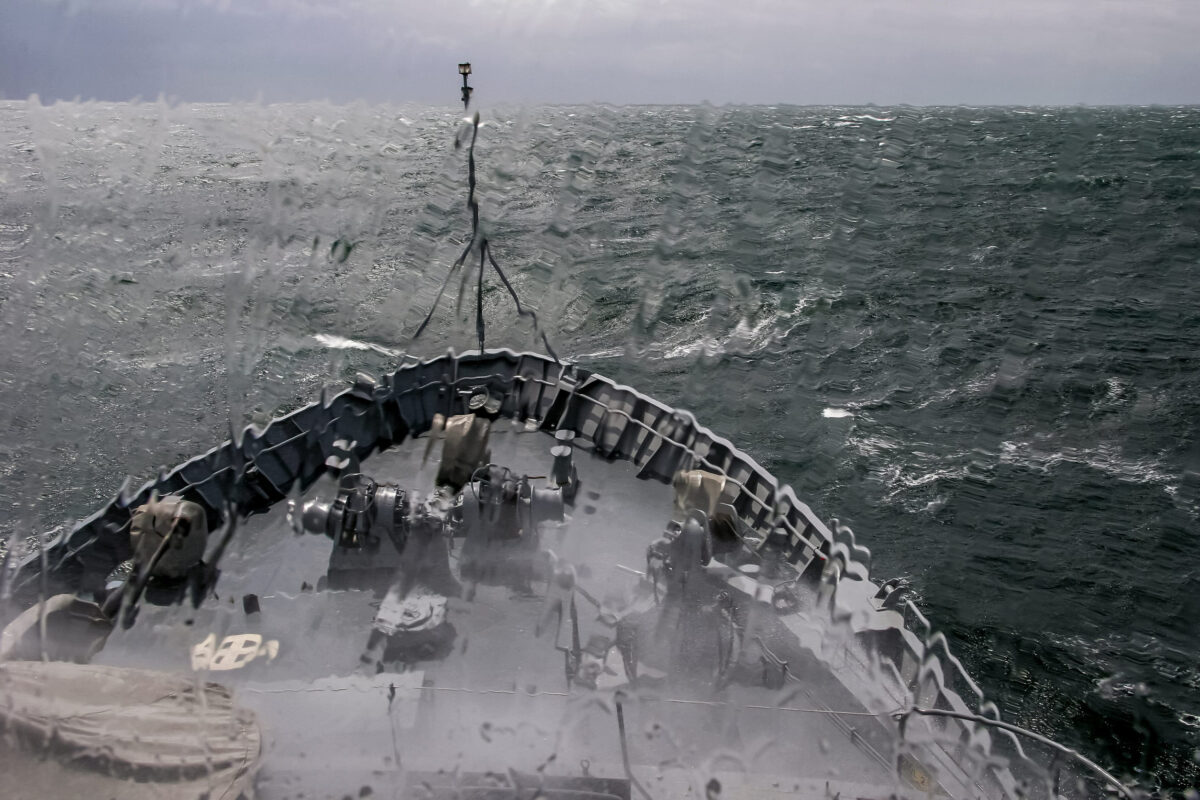
The intelligence offer came alongside a more dramatic move. Zelenskyy said Ukrainian forces achieved strong results in long-range strikes against Caspian Sea targets, including a Russian warship and vessels allegedly transporting Iran-linked military cargo.
Ukraine’s security service said the operation targeted ships used in the military logistics chain between Iran and Russia. Ukrainian officials have described the Caspian route as a corridor for moving ammunition, drone components and other supplies from Iranian ports toward Russia.
Iran confirmed that an Iranian commercial vessel was struck but rejected Kyiv’s military framing. Tehran said the attack caused an explosion that killed one sailor and injured another. Iran’s Foreign Ministry summoned Ukraine’s chargé d’affaires and condemned the strike as a hostile act intended to expand the Russia-Ukraine war.
The identity and cargo of the damaged ship have not been independently established. It is also unclear whether it was one of the vessels Ukraine said was carrying military supplies. That distinction matters because the legal and political meaning of the strike depends heavily on whether the target belonged to a military supply network or was an ordinary commercial vessel.
Iran warns the attack will have consequences
The confrontation sharpened a day later when Iranian Foreign Minister Abbas Araqchi said the attack “cannot go unanswered.” He discussed the incident with Russian Foreign Minister Sergei Lavrov and European Union foreign policy chief Kaja Kallas.
Iran’s warning creates a new risk for Ukraine. Tehran has long been accused by Kyiv and Western governments of supporting Russia’s war with Iranian-designed drones and related technology. Iran says it supplied Russia with only a limited number of drones before the full-scale invasion began in 2022 and denies providing weapons for use in Ukraine.
For Ukrainians, that distinction offers little comfort. Russia has used Shahed-type drones in repeated attacks on Ukrainian cities, power facilities and other infrastructure. Kyiv therefore views Iranian military cooperation with Moscow as a direct threat to civilians, not a distant diplomatic issue.
Two wars are beginning to overlap
The Caspian operation shows how separate conflicts can merge through shared weapons, intelligence and transport routes. Russia relies on foreign partners to strengthen its campaign in Ukraine. Iran faces an expanding confrontation with the United States and its regional allies. Ukraine now argues that Moscow is returning Tehran’s support.
That creates a dangerous cycle. Ukraine may strike more ships or facilities it believes sustain Russia’s war machine. Iran may retaliate or deepen military assistance to Moscow. Russia could increase intelligence and technical support for Tehran while portraying Ukrainian actions as proof that the conflict is spreading.
For Washington, Kyiv’s intelligence could prove valuable if it identifies Russian surveillance patterns or improves defenses against Iranian drones. But closer Ukrainian involvement also complicates efforts to stop the Iran conflict from expanding.
The Caspian Sea was once considered a secondary theater, far from Ukraine’s main battlefields and the Middle East’s most dangerous flashpoints. That assumption is disappearing. A shipping route connecting Iran and Russia has become a military target; one sailor is dead, Tehran is threatening consequences, and Kyiv is offering intelligence to the United States.
The message is unmistakable: the wars involving Russia and Iran are no longer moving on separate tracks. They are beginning to collide.