American Habits That Leave People From Other Countries Completely Baffled
The United States is famous for innovation, entertainment, and cultural influence, but some everyday American habits leave international visitors completely confused. From ice-filled drinks and giant grocery stores to drive-through everything and year-round air conditioning, many routines that feel normal in America look unusual from the outside.
What makes these habits fascinating is that they often reveal deeper stories about American history, geography, technology, and lifestyle. A country with 50 states, more than 330 million people, and cities designed around cars naturally developed daily routines that can feel surprising to people raised in different systems.
Here are 27 American habits that regularly surprise people from other countries, along with the facts behind why they became so common.
Americans Put Ice in Almost Every Drink, Even When It Is Freezing Outside

A visitor ordering a soda in America may receive a glass filled with 50% or more ice before the drink is even poured. For many Americans, a cold beverage is not complete without cubes floating at the top, whether it is a summer afternoon or a winter dinner.
The habit is tied to America’s long relationship with refrigeration and convenience. By the 1950s and 1960s, refrigerators became common in U.S. homes, and restaurants increasingly marketed ice-cold drinks as a sign of quality. Today, Americans consume billions of servings of soft drinks each year, helping maintain a culture where “extra ice” feels completely normal.
We Make Indoor Spaces Colder Than Some Winter Days
One of the most confusing American habits for visitors is walking into a freezing restaurant or store in the middle of summer. Outside temperatures may reach 95°F or higher, yet inside a shopping mall or office building, the air conditioning may make people reach for jackets.
Air conditioning is deeply connected to American life. The U.S. Energy Information Administration reported that around 88% of American households use air conditioning, making cooling one of the most common household energy uses in the country.
The obsession with cold indoor spaces also comes from workplace expectations. Employees, customers, and businesses often associate strong air conditioning with comfort, cleanliness, and modern convenience.
Americans Often Drive Places Other Countries Would Consider Walkable
A visitor from a dense European or Asian city may be shocked when an American drives less than one mile to buy groceries or coffee. In many parts of the United States, walking is not simply inconvenient; sidewalks may disappear, roads may be too wide, and highways or parking lots may separate neighborhoods.
America’s transportation system explains much of this behavior. More than 75% of American workers commute by car, with many communities built around vehicles rather than pedestrians.
The average American household also owns about 2 vehicles, reinforcing a lifestyle where the car is not just transportation but an essential part of daily life.
Restaurant Portions Can Look Like They Were Designed for Two People
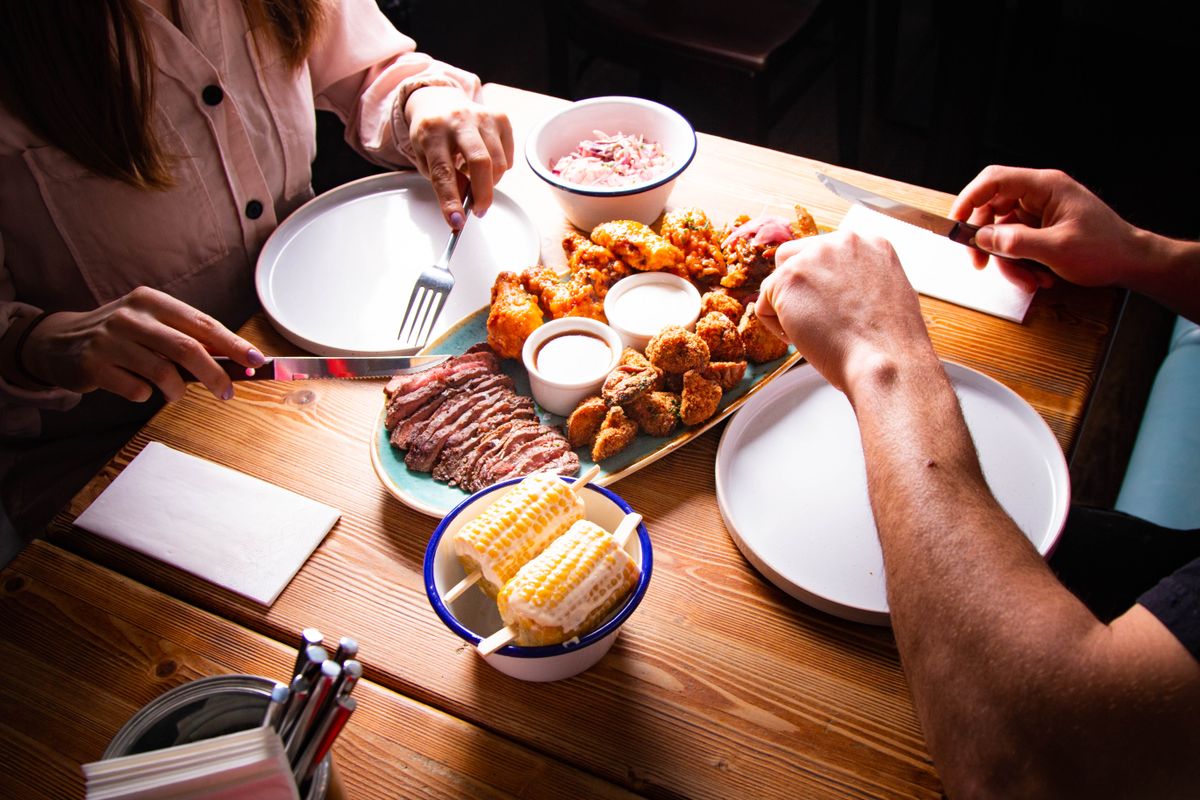
Many international visitors are surprised when a single American restaurant meal arrives. A burger may come with a mountain of fries, a drink larger than expected, and enough food for leftovers.
The average American restaurant portion has grown significantly over decades. Research from the National Institutes of Health has shown that many restaurant portions today are substantially larger than standard serving recommendations.
The “more for your money” mindset has shaped American dining culture. A larger plate often feels like better value, even when customers end up taking half the meal home.
Free Refills Feel Completely Normal
In many countries, ordering another drink means paying again. In America, many restaurants offer unlimited refills on fountain drinks, coffee, and sometimes tea.
The practice became popular because fountain beverages are inexpensive for restaurants compared with the price customers pay. A restaurant may spend only a small amount producing an additional soda refill, while customers feel they are receiving extra value.
For visitors, watching a server repeatedly refill a drink without charging anything can feel almost impossible to believe.
Tipping Is Not Just Polite, It Is Part of the System
American tipping culture is one of the biggest sources of confusion for international visitors. A meal advertised at $20 may eventually cost $24 or more after adding taxes and a tip.
In many service jobs, tips represent a significant part of workers’ income. The federal tipped minimum wage allows employers to pay as little as $2.13 per hour in direct wages if employees receive enough tips to reach the regular minimum wage requirement.
Because of this system, Americans often calculate tips of 15%, 18%, or 20% automatically, while visitors from countries with included service charges may find the process complicated.
Small Talk With Strangers Is Normal
An American waiting in line may talk to the person behind them, compliment someone’s outfit, or discuss the weather with a stranger.
In some cultures, strangers typically maintain more distance in public spaces. Americans often use small talk as a social bridge rather than an invitation to become close friends.
A simple “How are you doing?” may happen dozens of times in a day, even when nobody expects a detailed personal answer.
How Are You?” Is Usually a Greeting, Not a Question
Many visitors are confused when Americans ask “How are you?” but continue walking after hearing “Good.”
The phrase usually functions as a greeting similar to “hello.” It is not always an invitation to discuss health, finances, emotions, or personal problems.
This habit reflects a broader American communication style that often values friendliness and quick positive interactions.
Americans Often Wear Shoes Inside Homes
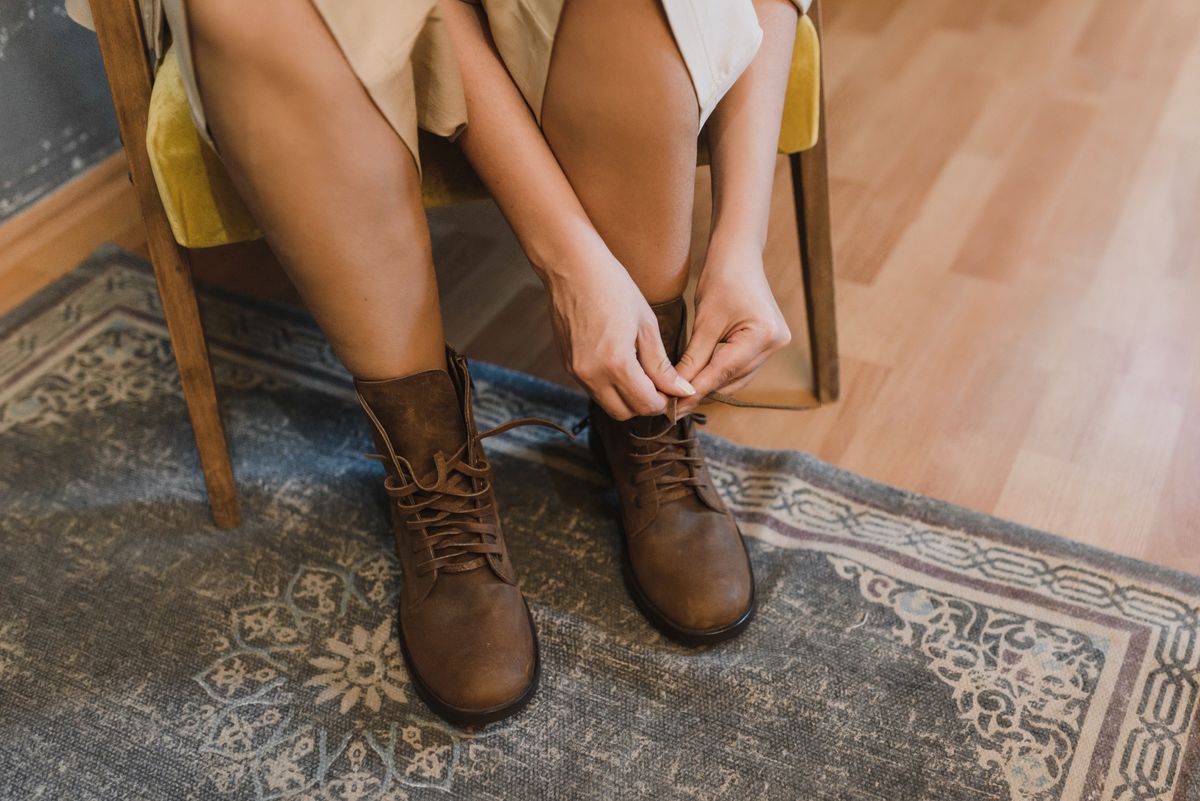
Some American households remove shoes at the door, while others walk around indoors wearing the same shoes used outside.
The lack of one universal rule surprises visitors from countries where removing shoes is expected.
The difference often depends on climate, flooring, family background, and personal preference. In rainy or snowy regions, shoe removal is usually more common.
Garbage Disposals Under Kitchen Sinks Are Common
Many American kitchens have small machines that grind food waste and send it through plumbing systems.
The devices are found in millions of homes and are considered a normal convenience.
Visitors who have never seen one may wonder why Americans intentionally put food scraps into a sink drain.
Americans Measure Things Differently
The United States remains one of the few countries where everyday life still relies heavily on inches, feet, miles, pounds, and Fahrenheit.
A visitor may hear that someone is 6 feet tall, a destination is 20 miles away, or the weather is 90 degrees and immediately need a conversion.
Although science and many industries use metric measurements, American daily conversation remains attached to customary units.
Americans Have Shorter Vacation Expectations Than Many Countries
One of the biggest cultural surprises is how Americans approach time off.
Unlike many European nations where workers may receive 4 or more weeks of paid vacation, American vacation policies vary widely by employer.
Some workers even avoid using all their available days because they worry about falling behind.
School Traditions Can Surprise International Visitors
From marching bands and school dances to sports events and graduation ceremonies, American schools often combine education with entertainment and community rituals.
High school sports games can attract entire towns, with thousands attending events organized around teenagers.
This connection between school identity and community culture is unusual in many countries.
Convenience Often Shapes Everyday American Life
Many unusual American habits share one common theme: convenience.
A country covering 3.8 million square miles, with sprawling suburbs and long travel distances, naturally developed systems designed to save time. Cars, drive-through services, large stores, online shopping, and fast food all grew from the same desire to make daily tasks easier.
What looks strange from the outside often has a practical explanation. American habits are not random quirks; they are reflections of geography, history, economics, and a culture that has spent generations prioritizing speed, choice, and convenience.
For visitors, these differences can be surprising. For Americans, they are simply part of everyday life.