
Ariana Grande Steps Back From Public Life as the Brutal Reality of Modern Fame Finally Comes Into View
For years, Ariana Grande appeared to have everything the entertainment industry promises its biggest stars: global fame, financial success, millions of devoted fans and opportunities that most performers can only imagine. Yet behind the sold-out arenas, blockbuster films and chart-topping albums was another reality that became increasingly difficult to ignore.
As Ariana Grande steps back from public life, her decision exposes the darker side of celebrity culture, where success often comes with relentless observation, impossible expectations and a demand for constant access.
Grande’s representative confirmed that the singer plans to reduce her public appearances after completing her Eternal Sunshine Tour, explaining that she wants to step away from public-facing work following what was described as “endless, ongoing public scrutiny.”
The announcement immediately attracted attention because Grande is not walking away from fame because her career has stalled. She is stepping back at a moment when her influence remains enormous, following a major world tour, renewed attention from Wicked and the release of new music.
The decision behind Ariana Grande’s step back from public life reveals a growing problem within the modern entertainment industry. The same system that creates global stars also places them under a level of pressure that can become overwhelming. In an era where every photograph becomes a discussion, every interview becomes a judgment, and every personal decision becomes public entertainment, even the most successful celebrities are discovering that fame has a cost.
The Spotlight That Built Ariana Grande’s Career Slowly Became a Heavy Burden

Ariana Grande’s rise to global fame followed a familiar entertainment success story. She moved from television into music, developed a powerful vocal identity and became one of the most commercially successful artists of her generation. Her career included multiple chart-topping albums, sold-out tours and a devoted international audience that followed her every professional move.
However, modern fame operates differently from previous decades. In the past, celebrities could disappear between projects and control when audiences saw them. Today, social media and digital platforms have created a world where public figures are expected to remain constantly visible. Celebrity careers are no longer built only on talent but also on continuous exposure.
The announcement that Ariana Grande steps back from public life highlights the pressure created by this new reality. Artists are now expected to promote every project across multiple platforms, participate in interviews, share personal moments, and maintain a public identity almost every day. The line between professional responsibility and personal sacrifice has become increasingly blurred.
Grande’s situation reflects a wider problem affecting entertainers across the industry. Fame provides opportunities, but it also removes the privacy that ordinary people take for granted. A celebrity’s appearance, relationships, lifestyle choices and personal decisions often become subjects of public debate without their consent.
The entertainment industry depends on attention, but attention has become difficult to control. The same public interest that sells concert tickets and drives album streams can also create a constant feeling of being watched. For many performers, the pressure is not one major moment of criticism but thousands of small judgments repeated over time.
Grande’s decision demonstrates that success does not automatically make fame easier to handle. In some cases, the bigger the star becomes, the heavier the expectations become. The spotlight that once represented achievement can eventually feel like a place where every mistake, change or personal choice is examined.
Ariana Grande’s Appearance Became a Symbol of the Internet’s Obsession With Celebrity Bodies
One of the most controversial aspects of Grande’s public life has been the ongoing discussion surrounding her appearance. Over recent years, online conversations about her body, health, and physical changes have repeatedly attracted attention, with strangers analyzing images and making assumptions about a person they do not personally know.
This reflects a larger problem within celebrity culture, especially for women in entertainment. Female performers are often expected to meet unrealistic standards while facing criticism from every direction. They are judged for changing, but they are also criticized when they attempt to maintain a familiar image.
The digital era has intensified this problem. A celebrity can appear at an event, and within minutes thousands of comments can analyze their clothing, appearance, and expression. Photos can be edited, compared, and circulated without context, creating a cycle where public figures are constantly defending themselves against conversations they never started.
The reason Ariana Grande steps back from public life is connected to this exhausting environment of speculation and judgment. Her representatives specifically mentioned ongoing scrutiny as part of the reason for reducing public-facing commitments. While her team has not revealed private details, the message was clear: constant public attention has created a difficult environment.
Grande has previously addressed the issue through her music. Her song “Yes, And?” challenged the idea that strangers should feel entitled to comment on her personal choices and appearance. The message reflected frustration with a culture where celebrity bodies often become public property.
The larger concern is that this treatment extends far beyond Grande. Many female entertainers have experienced similar cycles of praise followed by criticism. The entertainment industry often rewards performers for being visible while exposing them to criticism that can make that visibility difficult to sustain.
The public conversation around celebrity appearance raises an uncomfortable question. When audiences follow entertainers closely, do they sometimes forget that those entertainers are still human beings rather than permanent sources of public discussion?
Wicked Increased Ariana Grande’s Fame But Also Expanded the Pressure Around Her
Grande’s role as Glinda in the Wicked films marked another major achievement in her career. After years as a global pop star, she entered a new stage where her acting abilities became the focus of worldwide attention. The project introduced her to new audiences while increasing the level of scrutiny surrounding her.
The success of Wicked brought professional recognition, but it also created another intense period of public exposure. Film promotions require interviews, appearances, premieres and constant engagement. Every moment becomes part of a global marketing campaign designed to keep audiences interested.
For Grande, the Wicked era demonstrated the complicated relationship between opportunity and pressure. A major role can transform an artist’s career, but it can also place them under a microscope. Every appearance becomes analyzed, and every personal detail risks becoming part of the public conversation.
Ariana Grande’s decision to step back from public life comes after this period of extraordinary visibility. She has spent years moving from one major professional commitment to another, with little opportunity to escape the expectations attached to being one of the world’s most recognizable entertainers.
The entertainment industry often celebrates stars who work constantly. Long schedules, back-to-back projects and endless promotional campaigns are frequently presented as evidence of dedication. However, the hidden cost is that performers may have limited opportunities to simply exist outside their professional identity.
Grande’s choice challenges the idea that more visibility always equals more success. At some point, constant exposure can become damaging rather than beneficial. The decision to step away suggests that protecting personal boundaries may become just as important as pursuing new achievements.
Her experience also reflects a broader shift among public figures. Increasingly, celebrities are questioning whether unlimited access is necessary for maintaining a successful career. Some are choosing selective visibility rather than permanent exposure.
Leaving Sunday in the Park With George Shows This Is More Than a Temporary Break
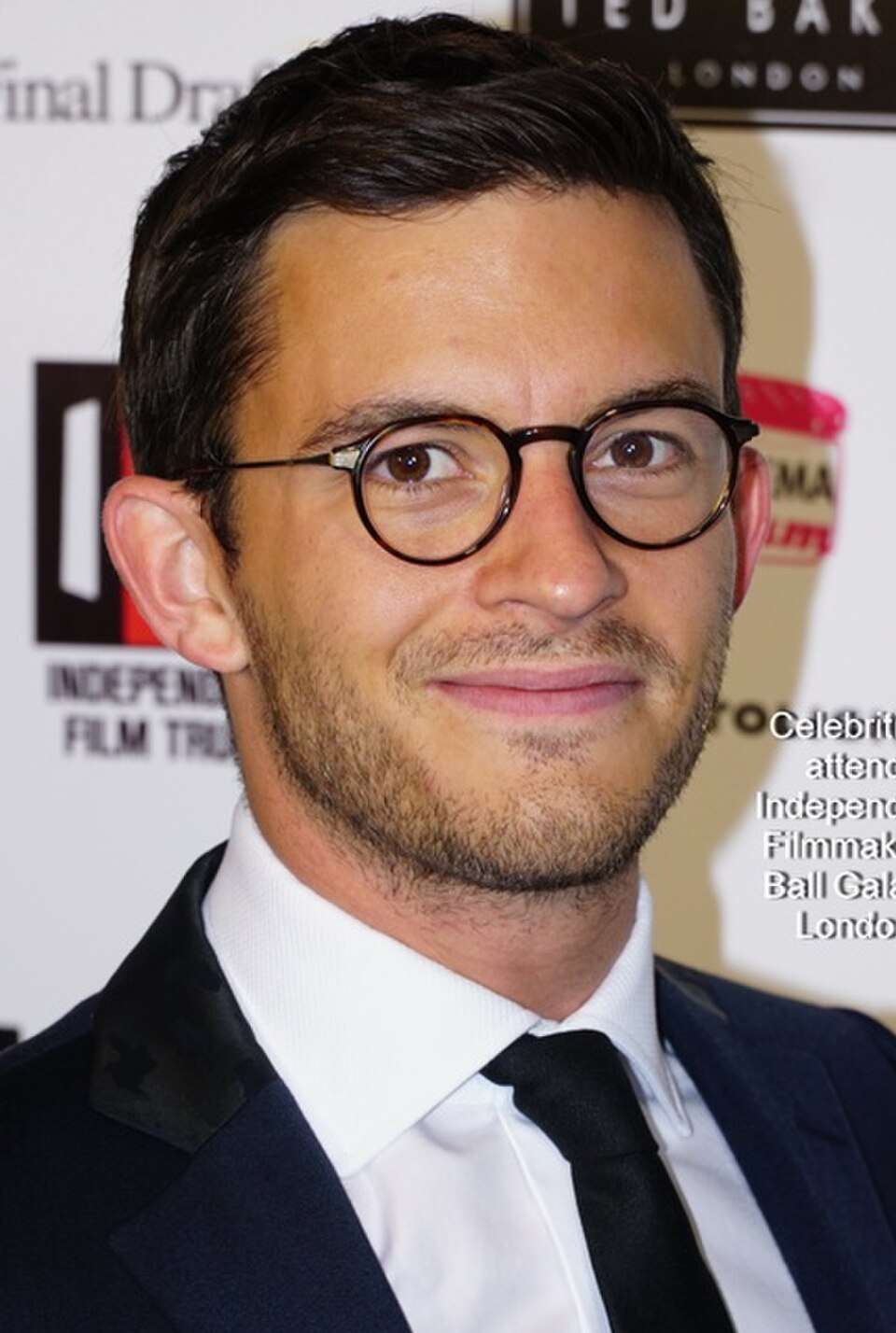
Grande’s decision became even more significant when she withdrew from the planned 2027 London revival of Stephen Sondheim’s Sunday in the Park with George. The production was expected to feature Grande alongside her Wicked co-star Jonathan Bailey, creating excitement among both theatre audiences and pop music fans.
Her departure demonstrated that stepping away from public life involved real professional consequences. She was not simply cutting back on interviews or avoiding a few appearances. She was leaving a major theatrical opportunity that could have expanded her career even further.
The production company behind the revival expressed understanding and support for her decision. The show will continue, with Bailey remaining involved and a replacement for Grande’s role expected to be announced later.
The decision highlights a difficult reality for successful entertainers. Opportunities often arrive with expectations that require even more public exposure. The very projects that can strengthen a career can also increase the pressure that leads someone to step away.
For many celebrities, saying no can be more difficult than saying yes. The industry rewards constant productivity and often creates an expectation that successful people should continue accepting bigger opportunities. Grande’s choice challenges that assumption.
The announcement that Ariana Grande steps back from public life suggests that personal limits eventually matter, even in an industry built around ambition. Career success does not eliminate exhaustion, pressure, or the need for privacy.
Her withdrawal from the production sends a message that professional achievement cannot be measured only by the opportunities accepted. Sometimes the most important decision an artist makes is the opportunity they choose not to pursue.
Fans Must Confront the Difficult Reality of Celebrity Access
The reaction to Grande’s announcement revealed the complicated relationship between artists and audiences. Many fans supported her decision, appreciating her honesty and encouraging her to prioritize herself after years of public attention.
However, the situation also exposed a difficult question about modern fandom. When people feel deeply connected to celebrities, they may begin to believe they deserve unlimited access to their lives. Social media has made this relationship even more complicated by creating the illusion of constant closeness.
Fans can now follow artists daily, comment directly on posts, and participate in conversations about every aspect of their lives. While this connection can be positive, it can also create pressure when celebrities are expected to explain personal decisions or respond to criticism.
The story of Ariana Grande stepping back from public life shows the importance of understanding boundaries. Supporting an artist does not mean having ownership over their personal experiences. Admiration should not become a demand for complete access.
This issue affects the entire entertainment industry. From musicians to actors, many public figures have reduced their online presence or taken extended breaks because of the pressure created by constant visibility.
Grande’s decision is therefore part of a much larger conversation. The future of celebrity culture may depend on whether audiences can appreciate entertainment while respecting the humanity of the people creating it.
Ariana Grande’s Break Reveals the Hidden Price Behind the Celebrity Dream
The story of Ariana Grande stepping back from public life is not simply about one singer taking time away from appearances. It represents a deeper conflict within modern fame. The entertainment industry encourages stars to become more visible than ever, but that same visibility can eventually become overwhelming.
Grande’s career demonstrates the complicated reality of success. She achieved what millions of aspiring performers dream about, yet the demands attached to that success became impossible to ignore. The constant attention, public judgment, and pressure to remain available created a reality that required a change.
Her decision raises important questions about how society views celebrities. Are audiences celebrating artists, or are they consuming every aspect of their lives? Can performers maintain creativity when they are constantly expected to explain themselves?
When Ariana Grande steps back from public life, she is not rejecting her fans or abandoning her career. She is challenging the idea that success requires permanent access. Her decision reminds the world that even the biggest stars have limits.
The spotlight can create extraordinary opportunities, but it can also reveal the harshest parts of public attention. Grande’s next chapter remains uncertain, but her choice has already started an important conversation about fame, privacy and the human cost of being constantly seen.
In an industry that rewards endless visibility, stepping away may become the most powerful statement an artist can make.


