Trump told Kyiv it had no cards. Then Kyiv took the war to Russia.
Months after Donald Trump told Ukrainian President Volodymyr Zelenskyy that Kyiv had “no cards” in its fight against Russia, Ukraine has launched a bold campaign aimed at proving that it can still shape the course of the war. Through long-range drone strikes, expanded weapons production, and attacks on critical Russian infrastructure, Ukraine has moved beyond simply defending its territory and begun targeting the systems supporting Moscow’s military campaign.
The shift has changed the conversation surrounding the war. What was once viewed largely as a conflict where Russia held the initiative has become a broader contest involving industrial capacity, air defenses, economic pressure, and the ability to sustain attacks deep behind enemy lines. However, Ukraine’s strategy carries significant risks. While strikes inside Russia have embarrassed the Kremlin and disrupted some military operations, Moscow has responded with intensified attacks against Ukrainian cities, creating a dangerous escalation cycle.
A Dramatic Shift After the White House Clash
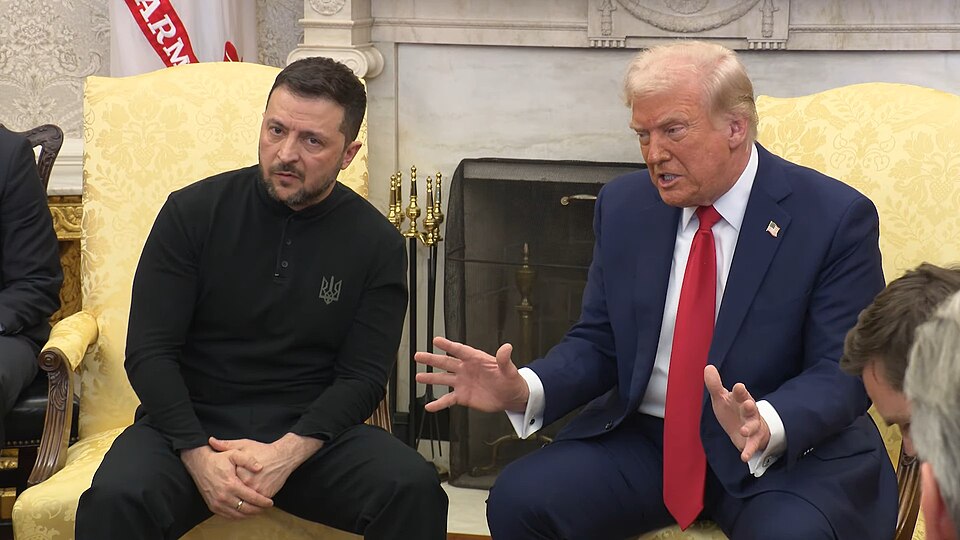
The relationship between Trump and Zelenskyy became strained after a highly publicized meeting in the Oval Office in early 2025. During the tense exchange, Trump criticized Ukraine’s position in the war and told Zelenskyy that his country was “not winning” and did not have the leverage needed to dictate terms. The confrontation led to a temporary suspension of U.S. intelligence cooperation with Kyiv and raised questions about the future of American support.
At the same time, Russia continued making gradual advances in parts of eastern Ukraine. Moscow appeared confident that battlefield pressure and diplomatic negotiations could eventually force Kyiv into accepting unfavorable terms. But behind the scenes, Ukraine was preparing a different response. Instead of relying only on defensive operations, Kyiv expanded efforts to strike Russia’s military infrastructure, supply networks, and economic assets.
Ukraine Takes the War Beyond Its Borders
One of the most significant developments has been Ukraine’s growing ability to launch long-range drone attacks inside Russia. In one major operation, Ukrainian drones reportedly traveled deep into Russian territory and targeted military aircraft, damaging or destroying bombers valued at hundreds of millions of dollars. The attacks demonstrated a major change in Ukraine’s military approach. For much of the war, Ukraine focused on stopping Russian advances and protecting its cities. Now, Ukrainian forces are attempting to force Russia to defend a much larger area.
By striking targets far from the front line, Kyiv aims to create pressure on Russian commanders and expose weaknesses in Moscow’s air defense network. The strategy has also carried symbolic importance. Images of smoke rising over Russian cities challenged the perception that the conflict could remain distant from ordinary Russians.
Ukraine Targets Oil, Defense Facilities, and Supply Networks
Ukraine’s long-range campaign has focused on several major categories of targets. One key target has been Russia’s energy infrastructure. Oil refineries and fuel facilities provide important revenue for the Kremlin while supporting military logistics. Ukrainian officials argue that damaging these facilities can reduce Russia’s ability to finance and sustain the war. Kyiv has also targeted defense manufacturing plants involved in producing military equipment.
These strikes are designed not only to damage current operations but also to weaken Russia’s ability to continue producing weapons over the long term. Another focus has been Russian air defense systems. By attacking radar installations and missile defense locations, Ukraine hopes to create openings for future operations and make Russian territory more vulnerable. The campaign has also extended to facilities Ukraine says contribute to Russia’s military supply chains.
The Role of Drones in Ukraine’s New Strategy
Drones have become one of the defining weapons of the conflict. Compared with traditional missiles and aircraft, drones can often be produced more cheaply and deployed in large numbers. Ukraine has invested heavily in drone technology, creating systems capable of traveling hundreds or even thousands of kilometers. The use of drones has allowed Kyiv to challenge a much larger military power without relying entirely on expensive Western weapons. However, drone warfare is not simple.
Russia has developed electronic warfare systems designed to disrupt communications and navigation. Moscow has also strengthened its air defenses to reduce the effectiveness of Ukrainian attacks. Military analysts say many Ukrainian drones are intercepted before reaching their targets, meaning Kyiv often needs to launch large numbers of systems to achieve limited penetration. Despite these challenges, the drone campaign has forced Russia to spend resources defending areas far from the battlefield.
Starlink Provides Ukraine With a Critical Advantage
Another important factor in Ukraine’s operations has been access to satellite communication systems. The Starlink network, operated by Elon Musk’s SpaceX, has provided Ukrainian forces with reliable communication capabilities throughout the war. The technology allows drone operators to control systems in real time, even in difficult battlefield conditions. This has helped Ukraine coordinate attacks and maintain communication between military units.
However, Russia has increasingly attempted to counter these advantages through electronic warfare and efforts to develop similar satellite-based capabilities. The technological competition reflects a broader trend in modern warfare, where communication networks and data systems are becoming as important as traditional weapons.
Ukraine Expands Domestic Weapons Production
The uncertainty surrounding foreign military assistance pushed Ukraine to increase domestic weapons production. Officials recognized that relying entirely on outside support created vulnerability, especially if political changes affected future aid. Ukraine began accelerating production of drones, missiles, and other military equipment.
The country also shortened development timelines, moving from traditional defense production cycles that could take years toward faster innovation and manufacturing processes. Despite these advances, Ukraine still faces limitations. The country cannot produce every weapon system it needs in sufficient quantities, particularly advanced missiles and large-scale military equipment. Western support remains a major factor in Ukraine’s ability to continue fighting.
Trump’s View of the War Has Changed
The intensified Ukrainian campaign has also influenced political discussions in Washington. After earlier criticizing Zelenskyy’s position, Trump later described the Ukrainian leader as effective during a NATO summit meeting. The shift reflected changing circumstances on the battlefield. Ukraine’s ability to strike Russia demonstrated that Kyiv still possessed significant military capabilities.
However, questions remain about whether these operations can force Moscow toward negotiations. Military experts argue that attacks on Russian territory may increase pressure on the Kremlin but may not automatically change President Vladimir Putin’s strategic goals. The outcome depends on multiple factors, including Western support, Ukraine’s ability to sustain operations, and Russia’s willingness to absorb losses.
The War Moves Into a New Phase
Ukraine’s strategy represents a major evolution in the conflict. Rather than waiting for Russia to determine the pace of the war, Kyiv is attempting to impose costs on Moscow and challenge the idea that Russia can continue the conflict without serious consequences. The approach has produced visible successes, including damaging Russian military assets and disrupting infrastructure. But it has also brought greater danger.
As Ukraine increases attacks inside Russia, Moscow has responded with more intense strikes against Ukrainian targets. The conflict remains far from resolved. The question now is whether Ukraine’s campaign can create enough pressure to change Russia’s calculations or whether it will lead to a prolonged and increasingly destructive phase of the war. For Kyiv, the message is clear: despite warnings that it had limited leverage, Ukraine is determined to prove that it still has options, and it is using every available tool to influence the future of the conflict.