9 Things About Eggs Every Home Cook Should Know
Eggs look simple until a shell refuses to peel, a yolk develops a gray-green ring, or a recipe insists on a specific egg size. These everyday kitchen staples have a few small details that can make cooking and baking much easier.
From storage habits to baking measurements and hard-cooked egg techniques, these practical egg facts can help home cooks understand what is happening in the kitchen. No complicated tricks required—just a better idea of how eggs behave.
The Carton Is Part of the Storage Plan
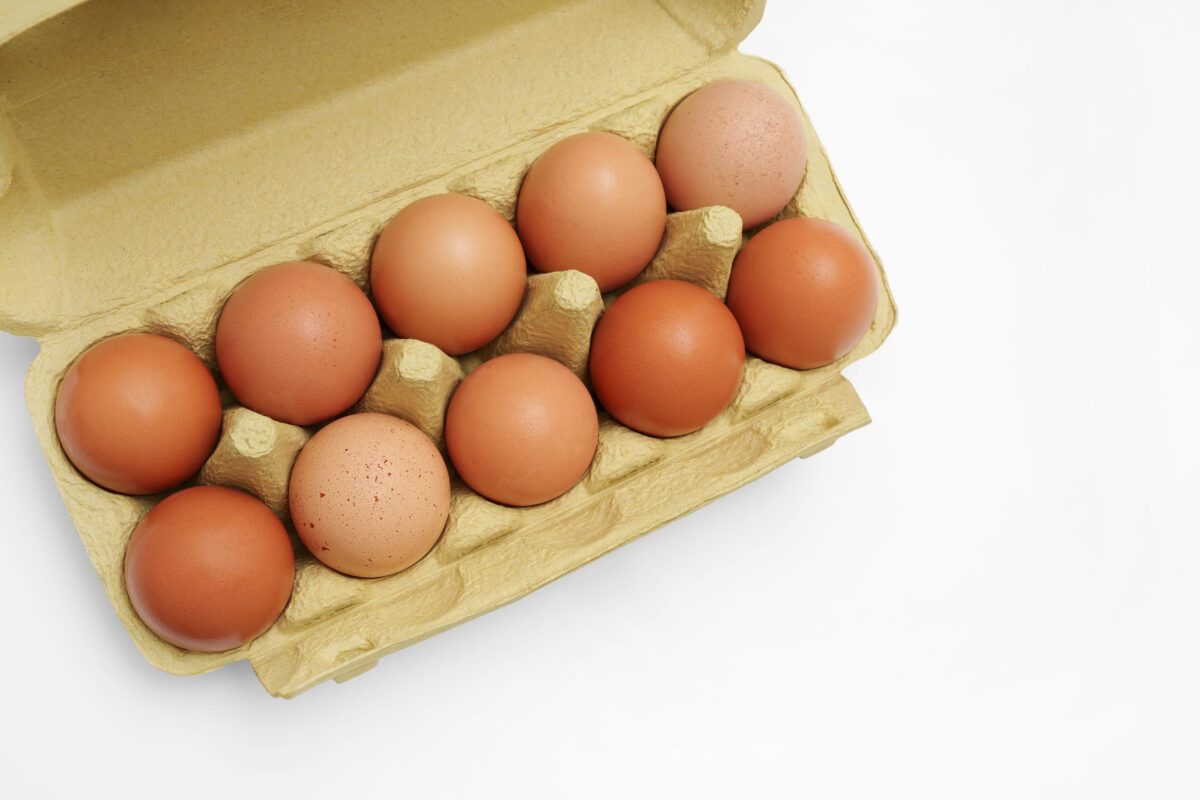
The carton eggs come in is not just packaging to throw away. Eggs should stay in their original carton and be stored in a clean refrigerator at 40°F or below.
The FDA recommends keeping eggs in their original carton and using them within three weeks for best quality. The carton also helps limit moisture loss and prevents eggs from absorbing odors or flavors from other foods.
The honest verdict: keep the carton. It is a small kitchen habit that helps protect your eggs from picking up the personality of everything else in the refrigerator.
Brown Shells Do Not Cook Differently Than White Ones
Brown eggs often look like they belong in a rustic kitchen display, but the shell color does not determine how the egg behaves in a recipe. According to the American Egg Board, shell color comes from the breed of hen.
Shell color does not affect an egg’s quality, cooking properties, or flavor. A brown egg and a white egg can be used in the same types of everyday cooking.
The honest verdict: the color of the shell may change the look of the carton, but it does not give one egg a special advantage in the pan or mixing bowl.
A Darker Yolk Is Not a Flavor Scorecard
A bright yolk can make a finished dish look appealing, but yolk color is connected to the hen’s feed rather than a guaranteed difference in cooking quality or flavor.
The American Egg Board notes that yolk color does not determine egg quality or flavor. That means appearance alone does not tell you how an egg will perform in your recipe.
The honest verdict: a colorful yolk can be beautiful on the plate, but it is not a report card for the egg sitting in your carton.
Cold Eggs Separate Better, but Warmer Whites Whip Better
Egg temperature matters differently depending on what you are making. Cold eggs are easier to separate, while room-temperature egg whites can reach maximum volume when beaten.
A useful baking approach is to separate eggs while they are cold, then allow the whites to warm before whipping. This combines the easier separation of chilled eggs with the whipping benefits of warmer whites.
The honest verdict: there is no need to choose between “always cold” and “always room temperature.” The best approach depends on the kitchen task in front of you.
A Little Yolk Can Sabotage Whipped Whites
Whipped egg whites need a clean environment. Egg yolks contain fat, and even a small amount can interfere with the whites whipping properly.
King Arthur Baking recommends using a clean, grease-free bowl for whipped whites and separating eggs while cold to reduce the chance of yolk getting into the whites.
The honest verdict: separate each egg carefully before adding whites to the main bowl. One broken yolk can turn a simple meringue project into a frustrating kitchen moment.
The Green Ring on a Hard-Cooked Yolk Is Harmless
A gray-green ring around a hard-cooked egg yolk can look surprising, but it has a simple explanation. The American Egg Board says the ring forms when sulfur in the egg white reacts with iron in the yolk.
The ring is more likely when eggs cook too long or at too high a temperature. Cooling eggs promptly after cooking can help minimize the discoloration.
The honest verdict: the green ring is not a mysterious ingredient or a kitchen disaster. It is simply a clue about what happened during cooking.
Steam Can Make Hard-Cooked Eggs Easier to Peel
Peeling hard-cooked eggs can sometimes feel like a battle between the cook and the shell. America’s Test Kitchen says starting eggs in steam or hot water can help the cooked whites pull away from the shell membrane.
Its testing found that steaming and hot-water starts were easier to peel than a cold-water start. The method also includes using an ice bath afterward to stop residual heat from continuing to cook the eggs.
The honest verdict: instead of hoping the shell cooperates, use a method designed to make the peeling step less annoying.
“Boiled Eggs” Can Have Three Different Textures
A boiled egg is not one single texture. Cooking time can change whether the yolk is soft, jammy, or firm.
Under America’s Test Kitchen’s steaming method, eggs take about 6½ minutes for soft-cooked yolks, 8 minutes for jammy yolks, and 13 minutes for hard-cooked yolks. The method uses cold water after cooking to stop the eggs from continuing to cook.
The honest verdict: the right cooking time depends on how you want to use the egg. A soft egg and a firm egg are not competing versions; they are different tools for different dishes.
The Float Test Cannot Tell You Whether an Egg Is Safe
The water-float test is a popular kitchen trick, but it is not a dependable way to determine whether an egg is safe. The FDA says color and texture are unreliable signs of food safety.
Instead, the FDA recommends proper storage and cooking practices, including keeping eggs refrigerated at 40°F or below and cooking eggs until the whites and yolks are firm.
The honest verdict: a floating egg is not a final answer from the kitchen. It is not a reliable safety test, so it should not replace proper handling and cooking practices.
Eggs may be one of the most common ingredients in the kitchen, but they come with plenty of small details worth knowing. Once those little mysteries make sense, everyday cooking becomes a lot less confusing.