SPAM’s New Hot Honey Flavor Is Here, And Fans Are Already Divided
The iconic blue can has gone sweet-and-spicy, and some fans are wondering whether this is the flavor innovation SPAM needed or a trend that should have stayed off the grocery shelf.
SPAM has entered the hot-honey era. Hormel Foods has launched SPAM Hot Honey, a new permanent flavor combining the salty, savory character of the familiar canned meat with a sweet-and-spicy twist. The new variety is already appearing at select grocery retailers nationwide, and the announcement of SPAM Hot Honey’s launch makes one thing clear: this is not a short-lived seasonal experiment.
The timing is hardly accidental. Hot honey has moved from specialty pizza shops and trendy restaurants into everything from chicken sandwiches to snacks and sauces. Now it has found its way into one of America’s most recognizable canned foods.
SPAM Just Got a Sweet-and-Spicy Makeover
The new flavor is familiar enough to recognize but different enough to make longtime SPAM fans hesitate.
SPAM Hot Honey joins a lineup of more than 10 varieties and represents the brand’s first permanent new flavor in two years. Instead of simply adding heat, the product is designed around the combination of sweetness and spice—the flavor pairing often called “swicy” that has become increasingly common on restaurant menus and supermarket shelves.
That combination makes some culinary sense. SPAM already has a salty, savory flavor and a texture that works particularly well when sliced and browned in a pan. A sweet glaze can caramelize around those browned edges, while heat gives the richness a sharper counterpoint.
It is the kind of flavor combination that works especially well with rice, eggs, noodles, sandwiches, and other foods that benefit from something salty and slightly sweet.
Fans Are Definitely Not in Agreement
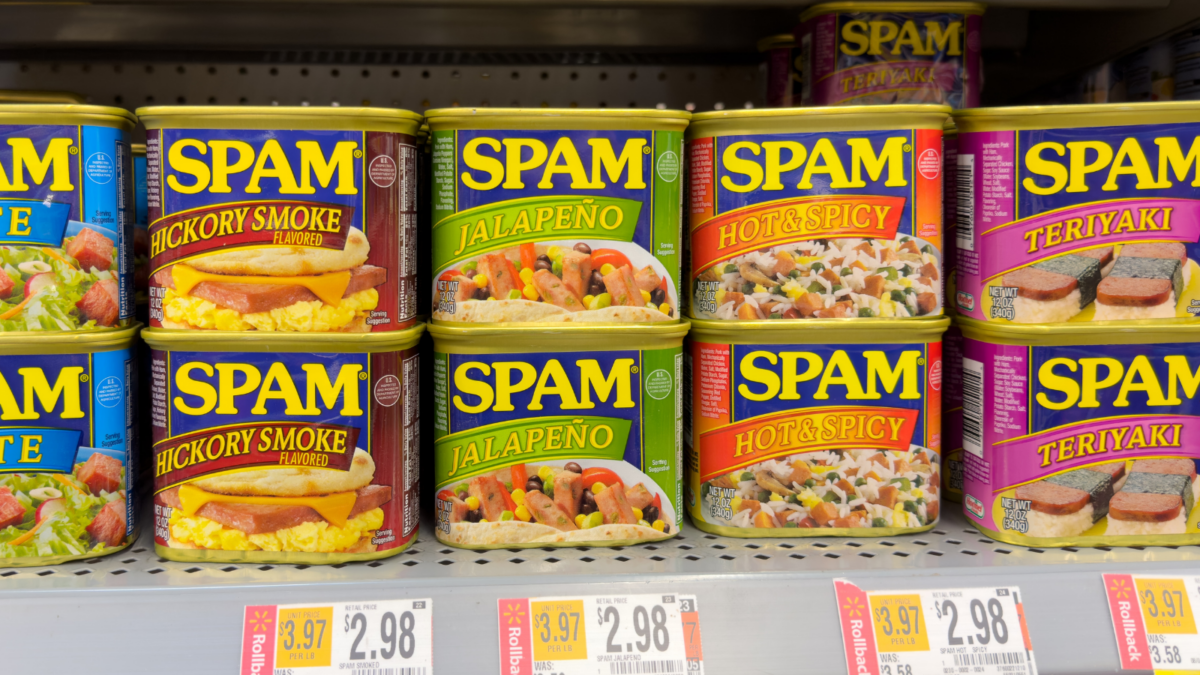
The most interesting part of the launch may not be the flavor itself, but the reaction it has triggered.
Some SPAM fans are eager to try it, while others are firmly attached to the original. The New York Post’s report on the divided reaction to SPAM Hot Honey captures the split, with some commenters saying they would happily give the new variety a chance. In contrast, others expressed frustration with the seemingly endless hot-honey trend.
That reaction says something about SPAM’s unusual place in food culture. It is not simply a canned meat product anymore. For many people, SPAM is connected to childhood meals, family recipes, military history, Hawaii, Asian and Pacific Islander food traditions, and pantry cooking.
Changing a familiar product can therefore feel very different from launching a completely new snack.
Why Hot Honey Makes Sense for SPAM
The pairing might sound strange until you think about what happens when SPAM hits a hot pan.
SPAM is already commonly fried until the outside develops browned, caramelized edges. Adding sweetness can intensify that effect, while the heat contrasts with the meat’s richness. That opens up possibilities far beyond eating it straight from the can.
Hormel has demonstrated that versatility through its launch collaboration with Win Son Bakery in New York City. From September 14 through September 20, the bakery is serving SPAM Hot Honey in a breakfast sandwich made with egg and cheese on a scallion pancake, along with a Taiwanese sticky rice roll known as fan tuan.
The brand has also suggested using the flavor in dishes such as flatbread pizza, fries, and musubi. Those applications make sense because familiar foods can become more interesting when you add a salty-sweet element without completely changing the dish.
There Is a Cultural Connection Behind the Launch
SPAM’s relationship with Asian American and Pacific Islander food culture makes this particular collaboration more interesting than a standard product promotion.
SPAM has had a long presence in Hawaii and across parts of Asia, where it has become an ingredient in dishes that go far beyond the basic canned-meat sandwich. Musubi, for example, has become one of the best-known ways SPAM appears in Hawaiian food culture.
That history helps explain why the Win Son Bakery partnership matters. Chef and co-owner Trigg Brown described the collaboration as an extension of the food his team grew up with and serves today, using the new flavor in a Taiwanese-American setting rather than treating it as a novelty.
It also gives people a practical way to understand the product. A slice of sweet-spicy SPAM alongside egg and cheese on a crisp scallion pancake sounds considerably more appealing to some diners than simply imagining the flavor straight from a can.
Not Everyone Is Ready to Join the Trend
For some people, there’s already too much hot honey—and SPAM may be the final straw.
The backlash is partly about the ingredient itself. Hot honey has become so widespread that some consumers are experiencing serious flavor fatigue. Fox Bangor reported reactions ranging from people eager to try the new variety to others who would rather stick with original SPAM.
That split is what makes the launch interesting. A completely safe new flavor might disappear without much conversation, while a polarizing one gives people a reason to argue, experiment, and eventually decide for themselves.
Will SPAM Hot Honey Actually Last?
Unlike many novelty flavors, this one is not going anywhere for now.
SPAM Hot Honey is a permanent addition rather than a limited-edition release, although availability is initially rolling out through select grocery retailers nationwide. That gives curious shoppers plenty of opportunity to decide whether sweet heat actually belongs in the famous blue can.
Maybe it will become a new favorite. I think longtime fans will continue reaching for the original. Either way, SPAM has once again done what it has for decades: taken a familiar pantry staple and found a new way to put it on the plate.
Would you actually try SPAM Hot Honey, or is the original blue can still untouchable in your kitchen?