The Cozy Soup Formula You’ll Want on Repeat When Dinner Feels Impossible
The secret to a deeply comforting homemade soup is not a rigid recipe or an overflowing grocery cart. It is a dependable formula: start with aromatic vegetables, build around one main ingredient, add enough liquid to simmer, then wake everything up with a bright finish and a topping that adds contrast to each bowl.
That framework is why soup is such a smart weeknight move. It can turn lentils, a fading head of lettuce, leftover vegetables, or a few pantry staples into a dinner that feels intentional, not improvised. The best part is that once home cooks understand the basic sequence, they can swap ingredients based on the season, their budget,, and what is already in the refrigerator.
Start With the Flavor Base
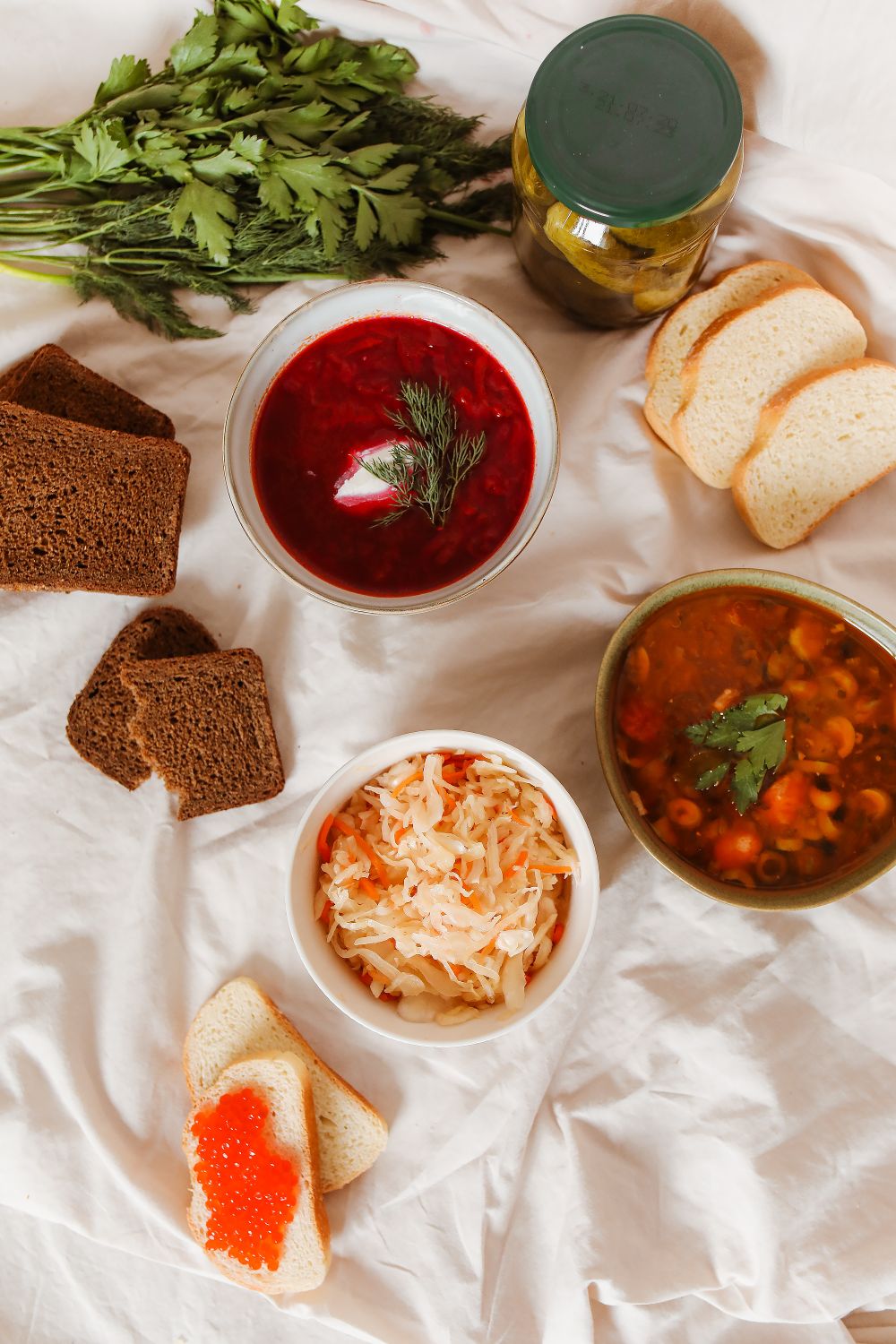
Every good cozy soup begins before the broth enters the pot. First, cook aromatics, think onion, garlic, leeks, carrots, celery, ginger, or shallots, in a little oil or butter until they soften and smell fragrant. This is where a soup starts building depth, and it is a step worth taking even when the rest of the meal needs to happen quickly.
Serious Eats recipe developer J. Kenji López-Alt uses that logic in a creamy lettuce soup, starting with diced aromatics such as “onion, leek, garlic, and shallots” sweated in butter before adding stock. He notes that chicken or vegetable stock can work, making the technique flexible for what a cook has on hand.
The distinction between softening and browning is useful. For a clean, light vegetable soup, gently cook the aromatics until tender without browning them aggressively. For a heartier soup, one with mushrooms, beans, sausage, or tomato paste, letting some ingredients take on color can add deeper, roasted notes. Neither approach is automatically better; the choice depends on the kind of bowl you want when the soup is finished.
For a practical baseline, think of the flavor base as three things: a cooking fat, a few chopped aromatics, and salt. The fat carries flavor, the vegetables create sweetness and savoriness, and salt helps draw out moisture as they cook. From there, the soup can head in almost any direction: ginger and garlic for a chicken-and-greens broth, onion and celery for lentils, or leeks and fennel for a softer, more elegant vegetable soup.
Add One Main Character and Let It Shine
Once the base is ready, pick the ingredient that will give the soup its identity. That might be dried lentils, canned beans, shredded chicken, seasonal vegetables, potatoes, pasta, rice,, or a combination of several. The key is not to throw every lonely item in the refrigerator into one pot and call it “rustic.” A soup is more satisfying when a clear lead ingredient anchors it and the rest of the pot supports it.
López-Alt’s lentil soup illustrates the point. He starts with a basic mirepoix of onions, carrots, celery, and leeks, then adds brown or Puy lentils, vegetable or chicken stock, and bay leaves. The lentils simmer until tender and become the soup’s body, while the aromatic vegetables and stock create the savory foundation.
That gives home cooks a useful structure to copy. If lentils are the main event, add vegetables that complement their earthy flavor and use a broth that matches the meal’s mood. If the star is broccoli, cauliflower, sweet potato, or squash, cook it until tender and blend some or all of the pot for a thicker texture. If the centerpiece is chicken, beans, or sausage, build the broth first and add quick-cooking greens, pasta, or herbs later so they don’t lose all their texture.
Soup also offers an easy way to use produce that may no longer look its best for a salad or snack plate. López-Alt writes that lettuce past its prime can be turned into soup because it will be wilted and blended anyway. “Once it’s too flaccid for the salad bowl, it’s ready for the soup tureen,” he says. That is a handy reminder that a slightly tired vegetable is not necessarily a wasted vegetable, as long as it is still safe and suitable to eat.
No single texture is ideal, either. A brothy chicken soup can be light and clear. A lentil soup can be partially blended to make it thicker while keeping some texture. A vegetable soup can be silky smooth. Serious Eats notes that lettuce soup needs only a short time in the pot before blending because the leaves soften quickly, producing a smooth result with fresh, clean flavor.
Finish Like You Mean It

The final minutes are what separate a decent soup from the bowl people keep thinking about after dinner. Soup needs balance, which usually means checking the salt, adding acid, and deciding whether it needs texture or heat. A squeeze of lemon, a little vinegar, chopped herbs, grated cheese, chili flakes, toasted nuts, crisp croutons, or a swirl of yogurt can turn a flat pot into something that feels complete.
López-Alt uses that finishing strategy in his lentil soup with a parsley, garlic, and lemon-zest gremolata mixed with olive oil. He adds part of the mixture while the aromatics cook,then stirs in more at the end. This approach builds flavor in two stages instead of relying on one long simmer to do all the work.
“The secret to this version? Gremolata,” López-Alt writes, explaining that the classic Italian mixture of parsley, lemon zest, and garlic creates “two distinct levels of flavor” when used both early and late in the cooking process. He also adds lemon juice just before serving, saying it “brightens it up with some acid.”
That is the steal-worthy move in the cozy-soup formula: save something fresh for the end. A soup can simmer for 20 minutes or two hours, but the finishing touch should taste alive. For a tomato-and-bean soup, that might be basil and Parmesan. For chicken soup, it could be lemon, dill, or parsley. For a blended carrot or squash soup, it may be yogurt, chili oil, or toasted seeds. The specific garnish can change, but the purpose stays the same: to add lift, contrast, and personality.
Soup is also one of the best make-ahead dinners, but leftovers need ordinary food-safety care. The University of Minnesota Extension advises refrigerating leftovers within two hours, cooling them in shallow containers so they chill quickly, and keeping soups and stews refrigerated for three to four days. Reheat only what you plan to eat, then add a fresh squeeze of citrus or herbs if the flavor needs a quick reset.
The next time dinner feels like a blank page, use the formula instead of searching for a perfect recipe. Soften aromatics, choose a main ingredient, add broth, simmer until the ingredients are tender, then finish with something bright and crunchy. It is simple enough for a Tuesday night, cozy enough for a rainy weekend, and flexible enough to make the ingredients you already have feel like exactly what you meant to cook.