How to Make a Proper Beef on Weck: The Buffalo Sandwich That’s All About Balance
Some sandwiches are just lunch. Others are a piece of local history tucked between two slices of bread. Beef on weck belongs in the second category.
If you’re from Buffalo or Western New York, you already know the magic: thin slices of juicy roast beef, a salty caraway-studded roll, a little horseradish heat, and just enough beef jus to make everything come together. It looks simple, and that’s exactly why it’s easy to get wrong.
The secret is that beef on weck is not just “roast beef on a bun.” The roll is the star of the show. A true kummelweck roll is a Kaiser-style roll with a firm outside, a soft inside, and a topping of caraway seeds and coarse salt. The word “weck” comes from kummelweck, with “kümmel” referring to caraway. That combination gives the sandwich its signature flavor and separates it from an ordinary roast beef sandwich.
The sandwich has deep roots in Western New York and is generally traced back to the late 19th century. It was already familiar enough in Buffalo to appear around the time of the 1901 Pan-American Exposition. The exact inventor is still debated, though local tradition often mentions German baker William Wahr.
So, how do you make one at home that actually feels like the real thing? Start with the beef.
Choose the right roast.
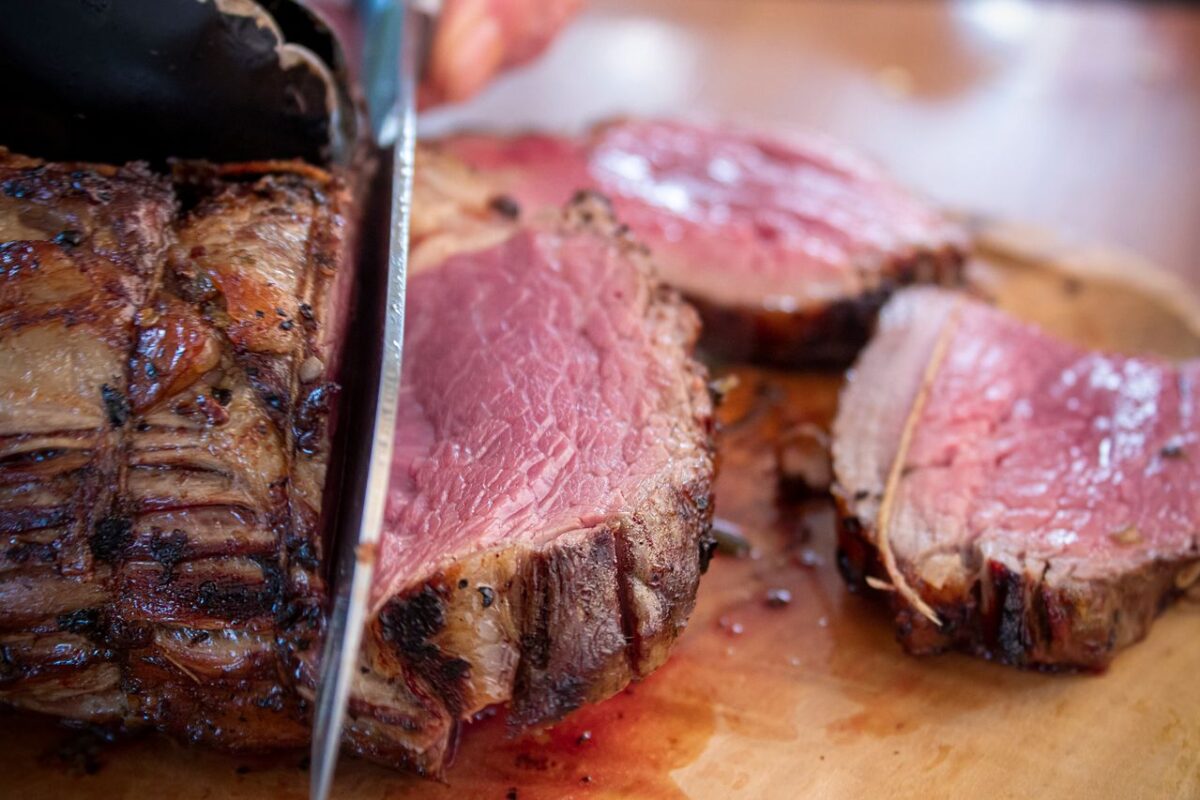
The best friend of a beef on weck sandwich is a lean roast that slices beautifully. Top round is a classic choice with strong Buffalo-area connections, while eye of round is a practical option for home cooks. Both cuts have a beefy flavor and a texture that works well when sliced thin.
This is not the moment to grab the fattiest roast you can find. While marbling is wonderful in a steak, a sandwich like this is usually served with thin slices that may be warm or even cooled slightly. Large pockets of fat can become chewy instead of delicious.
A helpful trick? Look for a roast with a reasonably even shape. A uniform roast cooks more consistently, which means fewer overdone edges and a better chance of getting that beautiful rosy center.
Season ahead for better flavor
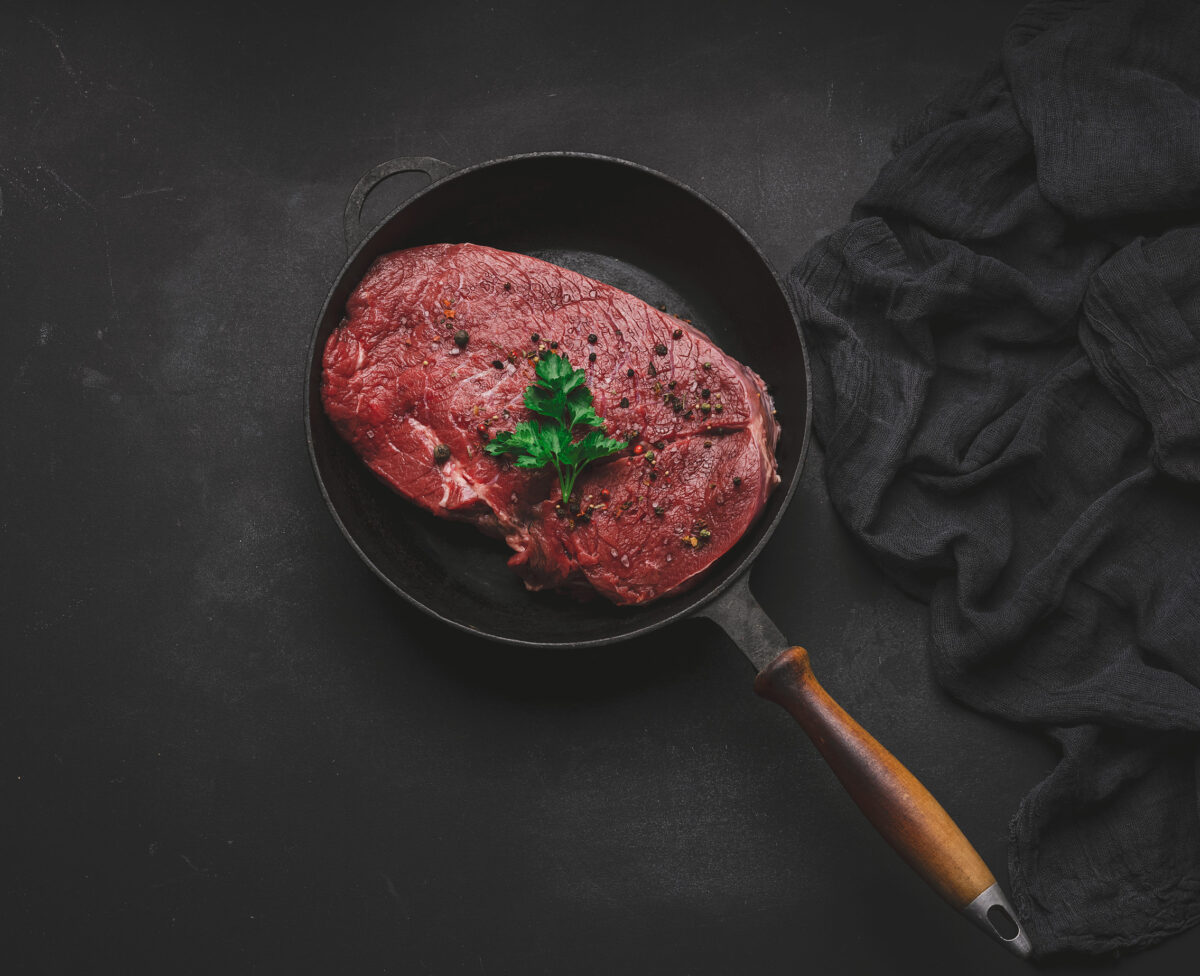
One of the easiest upgrades you can make is also one of the simplest: salt the roast before cooking.
Season the beef at least an hour ahead, and if you have time, let it sit uncovered in the refrigerator overnight. This helps the seasoning work its way into the meat while drying the surface so it browns better.
Think of this as giving your roast a little spa treatment before its big sandwich debut.
Keep the seasoning focused. Beef on weck is about beef, bread, caraway, horseradish, and jus,not a dozen competing spices.
Roast gently, then bring the flavor.
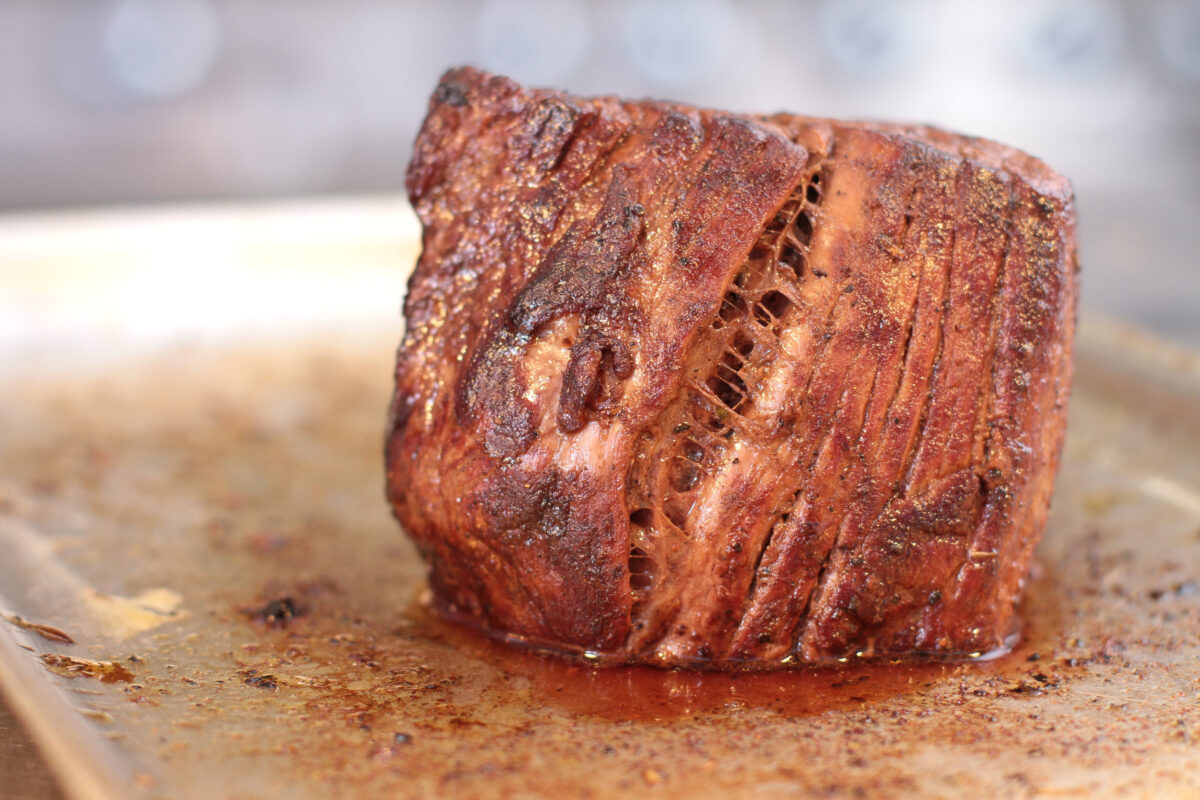
Lean cuts like round roast reward patience. A slow, even roast helps create a more consistent pink interior instead of a roast that is gray around the edges and dry in the middle.
A thermometer is your best kitchen sidekick here. Cooking by time alone is risky because every roast, oven, and cooking setup behaves differently. Internal temperature is a much better guide. The research notes emphasize using temperature rather than fixed cooking times, and USDA guidance recommends cooking whole beef roasts to 145°F, then resting for 3 minutes.
Traditional beef on weck is often associated with rosy, thinly sliced roast beef, but the goal is to balance that classic style with safe cooking practices.
Rest, chill, and slice like a pro
Patience pays off after the roast leaves the oven.
Let the meat rest before carving, so it keeps more of its juices. If you want those beautiful, deli-style thin slices, chilling the roast first can make a huge difference. A firmer roast is easier to slice cleanly without tearing.
When slicing, go thin and cut across the grain. This shortens the muscle fibers, making each bite more tender. Nobody wants a sandwich that turns into a chewing workout.
Build the sandwich with restraint.
Now comes the fun part.
Start with the kummelweck roll. If you cannot find one, a sturdy Kaiser-style roll with caraway seeds and coarse salt can get you closer, but the real thing gives the sandwich its identity.
Pile on the thin roast beef. Add a dab of horseradish. Then add the jus, but don’t drown the sandwich.
The goal is not a soggy beef sponge. Jus should add moisture and deepen the beef flavor while allowing the roll to keep its structure. Too much liquid turns that beautiful crusty roll into a messy collapse.
The best beef on weck is a lesson in balance: salty bread, tender beef, sharp horseradish, and rich jus all working together.
That’s what makes this Buffalo classic special. It doesn’t need fancy toppings or complicated tricks. It simply asks you to respect every ingredient,and when you do, a humble roast beef sandwich becomes something worth remembering.