6 Cooking Mistakes That Can Ruin Dinner Without You Realizing It
Dinner does not always go wrong because of a major cooking disaster. Sometimes the result changes because of small habits that are easy to miss: putting too much food in one pan, skipping a step before cooking, or realizing halfway through that an ingredient is not ready.
Those little moments can affect browning, texture, timing, and how smoothly the meal comes together. The good news is that these are often simple adjustments.
Here are six common cooking mistakes and what to do differently next time.
Crowding the Pan
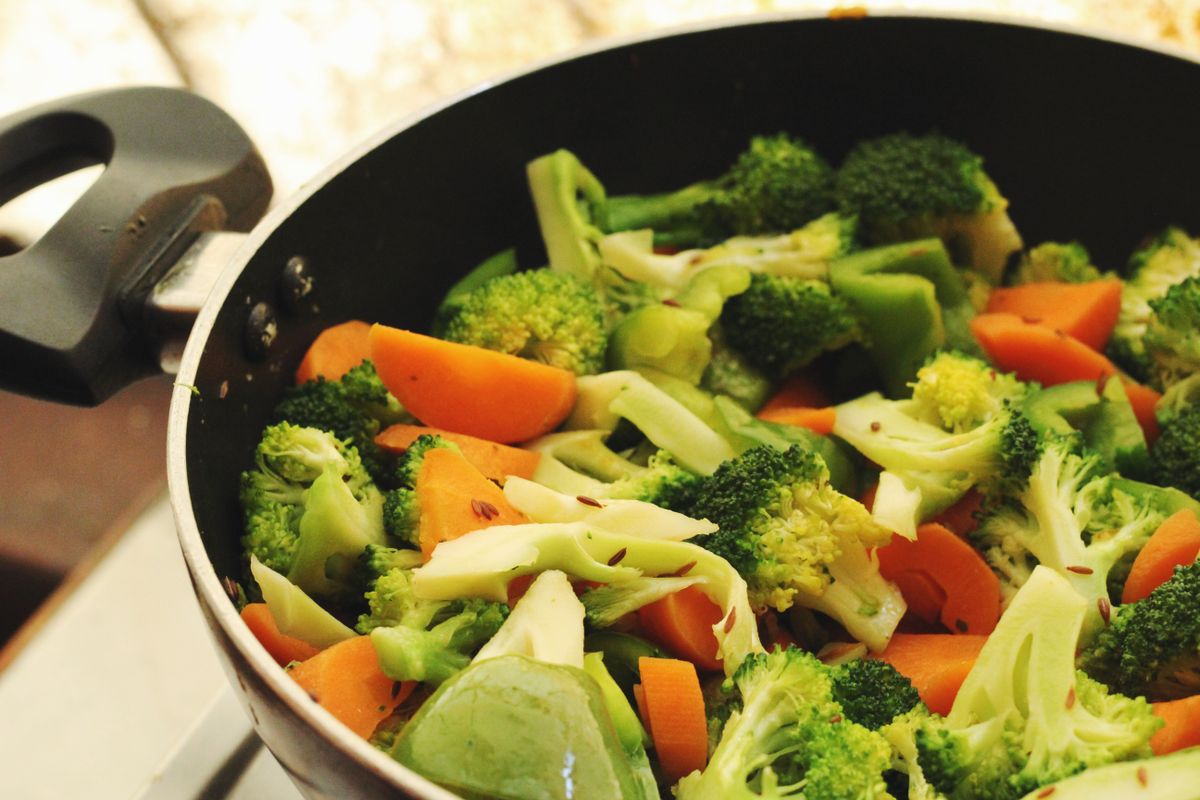
It is tempting to put everything into one skillet or sheet pan because it feels faster and easier. But when too much food is packed together, there is less open space for moisture to escape. Instead of browning well, meat or vegetables can end up cooking in the liquid they release, leaving food looking paler and feeling softer than expected. That is why cooks are often advised to work in batches rather than overcrowding the pan.
The fix is usually simple: give ingredients room to cook. Use a pan that allows space between pieces, or split the food between pans or batches if needed. When cooking in batches, let the pan heat back up before adding more ingredients. A little extra organization can make the difference between food that is nicely browned and food that feels more steamed than roasted.
Skipping the Preheat
Starting the oven only after the food is already prepared can feel like a time-saving shortcut. But recipes that provide an oven temperature and cooking time generally expect the food to go into an oven that has already reached that temperature. A cold start changes the conditions the recipe was designed around.
This matters especially for baked goods and foods where the recipe depends on the right start of the cooking process for structure, browning, or texture. The University of Illinois Extension explains why preheating is particularly important for baked goods such as yeast breads.
The practical move is to turn on the oven before finishing your other preparation and wait until it reaches the stated temperature when the recipe calls for it. Some dishes are specifically designed to begin in a cold oven, so follow those methods when a recipe says to do so rather than treating every recipe the same way.
Putting Wet Food Into a Hot Pan
A hot pan cannot immediately brown food if the surface is covered with excess moisture. That moisture needs to evaporate first, and while that is happening, it affects how the food’s surface heats. The result can be meat that cooks but does not develop the deeper color or crust you expected.
This mistake is easy to make when moving quickly from the refrigerator or when working with heavily marinated ingredients. Before searing, take a moment to gently blot meat or fish with paper towels and remove extra marinade from the surface. The goal is not to add another complicated step to dinner; it is simply to avoid letting surface moisture get in the way of browning.
Moving Food Before It Browns
Waiting can be one of the hardest parts of cooking. Once food hits the pan, it is natural to want to stir, flip, or check it. But browning needs steady contact with the cooking surface. Moving food too often interrupts that contact and can slow the development of color.
You may also find that food sticks when you try to move it too soon. Instead of forcing it loose, give it a little more time and try again. With seared foods, the surface often releases more easily once it has had enough time to brown. The same idea applies to roasted vegetables: wait until the underside has developed color before stirring or turning them.
Cutting Ingredients Into Very Different Sizes
Perfect knife cuts are not necessary for everyday cooking, but extremely different sizes can create uneven results. Small pieces may soften or overcook while larger chunks are still catching up. That can leave a dish with inconsistent texture instead of ingredients that finish together.
A more practical approach is to aim for similar sizes whenever possible. If one piece is much larger than the others, cut it down or group ingredients with similar sizes together. When different vegetables naturally need different amounts of time, add the pieces that take longer first instead of expecting everything to cook at the same pace.
Starting Before the Ingredients Are Ready
A recipe can look simple on paper until the pan is already hot and you realize the garlic is not chopped, the sauce is not measured, or an ingredient is still sitting in the refrigerator. This is where a rushed cooking process can become harder than it needs to be.
Having ingredients and equipment prepared before cooking is often called mise en place, or putting everything in its proper place before beginning. It is especially useful for faster cooking methods, where there may not be enough time to stop and prepare something without letting another part of the dish go too far.
Before turning on the heat, read through the recipe, set out what you need, and prepare ingredients in the order they will be used. A few minutes of preparation can make the cooking process feel much more controlled.
Small cooking mistakes can have a noticeable effect on dinner, but they are also easy to correct. Giving food enough space, using the right heat conditions, preparing ingredients ahead, and knowing when to leave food alone can help everyday meals come together more smoothly. Better results often come from small changes in the way we cook.