Foods and Beverages That Trigger Acid Reflux and Heartburn.
For millions of people worldwide, a delicious meal can end with an uncomfortable burning sensation in the chest, a sour taste in the mouth, or the feeling of food coming back up into the throat. These symptoms are often linked to acid reflux and heartburn, conditions that can be influenced by what people eat and drink.
While occasional heartburn is common, frequent episodes may interfere with daily life and could be a sign of a more serious digestive issue known as gastroesophageal reflux disease (GERD). Health experts say understanding which foods and beverages commonly trigger symptoms can help people make informed choices and reduce discomfort.
Acid reflux occurs when stomach acid flows backward into the esophagus, the tube that carries food from the mouth to the stomach. Normally, a muscle called the lower esophageal sphincter prevents this backflow. However, certain foods, drinks, eating habits, and lifestyle factors can weaken this barrier or increase stomach pressure, making reflux more likely.
Here are some common foods and beverages that are often associated with acid reflux and heartburn.
Spicy Foods
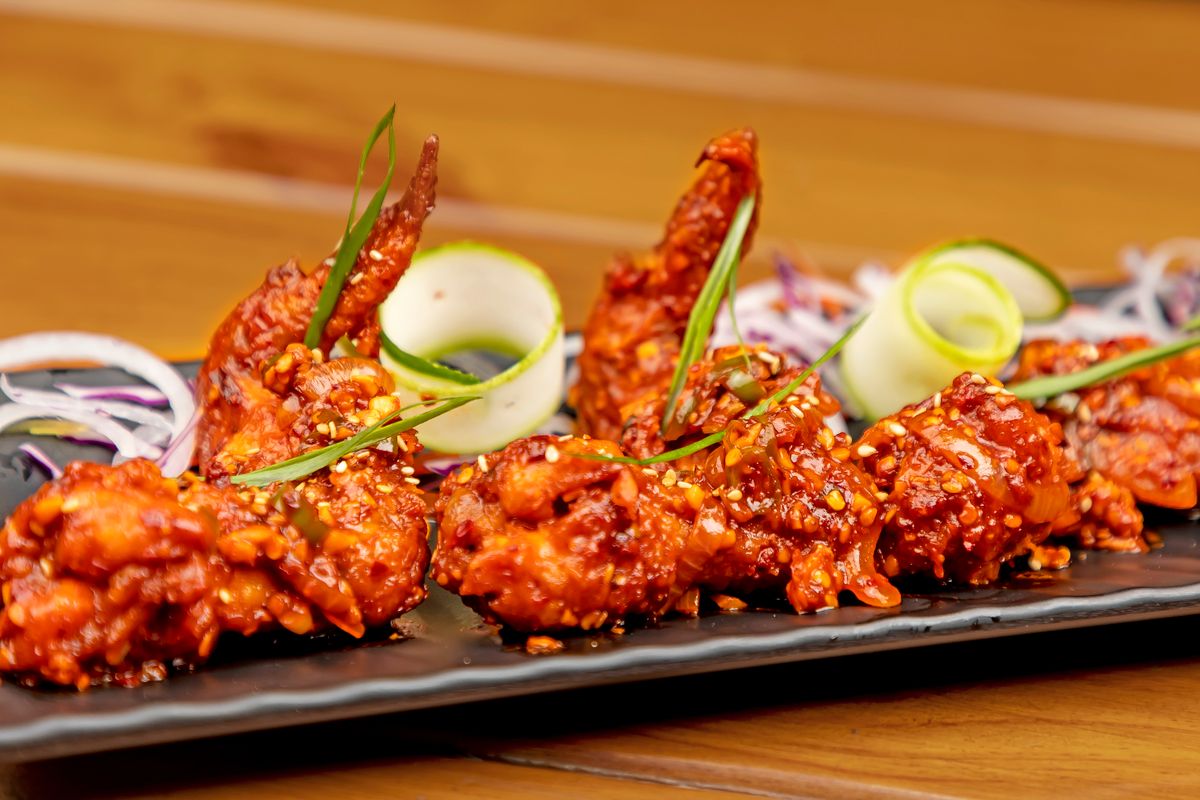
Spicy meals are among the most frequently reported causes of heartburn. Foods containing chili peppers, hot sauces, and strong spices may irritate the digestive system and worsen symptoms in some individuals.
Capsaicin, the compound responsible for the heat in chili peppers, can slow digestion in some people and may contribute to the burning sensation associated with reflux. Popular dishes containing large amounts of chili, pepper, or spicy seasonings may be more likely to cause discomfort, especially when eaten in large portions.
However, sensitivity varies from person to person. Some individuals can enjoy spicy foods without problems, while others may experience symptoms after even small amounts.
Fatty and Fried Foods
High-fat foods are another major category linked to acid reflux. Fried foods, fatty cuts of meat, butter-rich dishes, and creamy sauces can take longer to digest and may delay stomach emptying.
When food stays in the stomach longer, pressure inside the stomach can increase, making it easier for acid to move upward into the esophagus.
Common examples include:
- French fries
- Fried chicken
- Fatty burgers
- Heavy cream-based dishes
- High-fat dairy products
- Greasy fast foods
Health professionals often recommend choosing smaller portions and replacing some fried foods with grilled, baked, or steamed alternatives for people who frequently experience reflux.
Coffee and Caffeinated Drinks
For many people, starting the day with coffee is routine. However, caffeine-containing beverages may trigger reflux symptoms in some individuals.
Coffee may relax the lower esophageal sphincter, allowing stomach acid to travel upward. It can also increase stomach acid production in some people.
Other caffeinated drinks that may contribute to symptoms include:
- Energy drinks
- Certain teas
- Cola beverages
- Some chocolate-based drinks
Not everyone with reflux needs to eliminate caffeine. Experts suggest paying attention to personal reactions and considering reduced intake if symptoms appear after consumption.
Carbonated Drinks
Soft drinks and sparkling beverages can contribute to heartburn because they introduce gas into the stomach. This can increase pressure and encourage stomach contents to move upward.
Carbonated drinks may also contain caffeine, acids, or artificial sweeteners that can worsen symptoms for some people.
Examples include:
- Soda
- Sparkling water
- Energy drinks
- Carbonated fruit drinks
Replacing fizzy drinks with still water or non-acidic beverages may help some people manage reflux symptoms.
Citrus Fruits and Juices
Citrus fruits are nutritious and rich in vitamins, but their natural acidity can trigger heartburn in sensitive individuals.
Foods commonly associated with reflux symptoms include:
- Oranges
- Lemons
- Limes
- Grapefruits
- Citrus juices
Drinking citrus juice on an empty stomach may be especially uncomfortable for some people. While these foods do not cause reflux in everyone, those who notice a pattern may benefit from limiting their intake.
Tomatoes and Tomato-Based Foods
Tomatoes contain natural acids that can aggravate reflux symptoms for some individuals. Tomato-based dishes are particularly common triggers because they often combine acidity with other reflux-promoting ingredients.
Examples include:
- Tomato sauces
- Pizza with heavy tomato toppings
- Pasta sauces
- Tomato soups
- Salsa
Many tomato-based meals also contain spices, onions, garlic, and fats, which may further increase the likelihood of symptoms.
Chocolate
Chocolate is a favorite treat for many people, but it may contribute to acid reflux. Chocolate contains compounds that can relax the lower esophageal sphincter, making it easier for acid to move into the esophagus.
Chocolate also often contains fat and caffeine, which may increase its potential to trigger symptoms.
People who experience frequent heartburn may notice whether chocolate consumption is connected to their discomfort.
Alcoholic Beverages
Alcohol can affect the digestive system in several ways. It may relax the lower esophageal sphincter, increase stomach acid production, and irritate the esophageal lining.
Certain alcoholic drinks may be more problematic depending on the individual, including:
- Wine
- Beer
- Spirits and cocktails
Drinking alcohol close to bedtime may increase nighttime reflux because lying down makes it easier for stomach contents to move upward.
Mint and Peppermint Products
Mint is often associated with digestive comfort, but it can have the opposite effect for some people with reflux.
Peppermint and spearmint products may relax the lower esophageal sphincter, potentially allowing acid to escape from the stomach.
Common examples include:
- Peppermint tea
- Mint candies
- Mint-flavored chewing gum
People who notice reflux symptoms after consuming mint products may want to explore alternatives.
Lifestyle Habits Also Matter
Although certain foods and beverages are common triggers, experts emphasize that eating habits also play an important role. Large meals, eating late at night, lying down immediately after eating, and being overweight can increase the likelihood of reflux.
Some strategies that may help reduce symptoms include:
- Eating smaller meals
- Avoiding meals close to bedtime
- Maintaining a healthy weight
- Eating slowly
- Keeping a food diary to identify personal triggers
When to Seek Medical Advice
Occasional heartburn is usually not a cause for concern, but don’t ignore frequent symptoms. People experiencing heartburn several times a week, difficulty swallowing, unexplained weight loss, persistent chest discomfort, or vomiting should seek medical advice.
Doctors can help determine whether GERD or another condition is causing symptoms and recommend appropriate treatment.