The New Generation of American Convenience Foods: 6 Ways Quick Meals Are Changing
Picture a shopper at the end of a long day, searching for dinner and keeping an eye on the time. Now, instead of just frozen dinners, canned soup, or fast food, there are many more choices. Shoppers can pick from protein bowls, restaurant-style frozen meals, global dishes ready to heat, meal kits, prepared foods, and products that promise healthier ingredients with less work.
For years, American convenience foods focused on saving time. Frozen dinners, boxed meals, canned foods, and fast food made it easier for families to get dinner on the table with less effort. Now, companies want to do more. They are offering meals that are still quick but also healthier, tastier, and more like what you would get at a restaurant.
Today’s convenience foods reflect what shoppers want now. People still need quick meals, but they also look for more protein, better ingredients, global flavors, affordable prices, and choices that match their health goals.
Convenience Foods Are Becoming More Health-Focused
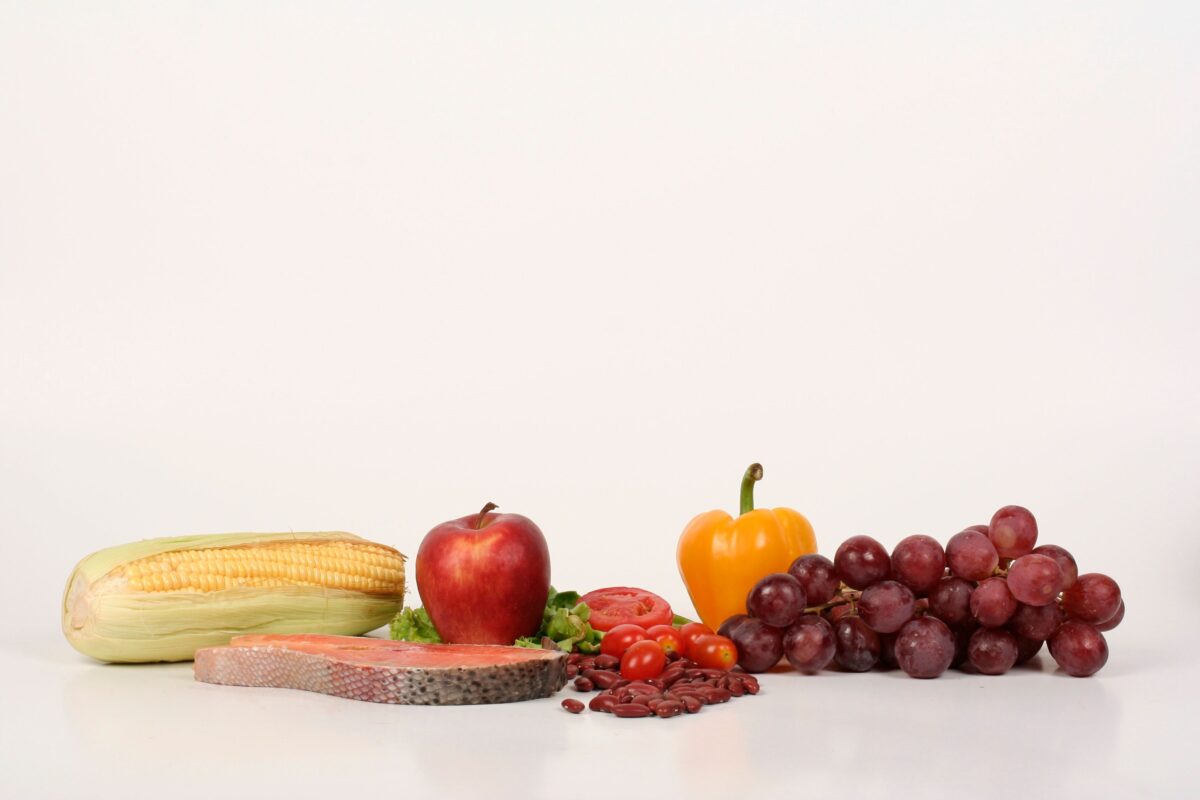
A major change in convenience foods is the focus on health. Many brands now highlight nutrition, protein, fiber, lower sugar, and better ingredients, not just speed and price.
Protein is now a big trend in convenience foods. You can find it in snacks, cereals, frozen meals, yogurt, coffee drinks, crackers, sauces, and ready-to-drink beverages, even in foods that did not used to have much protein.
Protein is popular because people see it as a way to stay full longer, maintain energy, support fitness, and make meals more satisfying. For busy workers, parents, and anyone juggling a lot, a protein-rich snack or meal can be a helpful choice.
But experts say more protein doesn’t always make a food healthy. High-protein cookies, snack bars, or frozen meals can still have a lot of sugar, salt, fat, or calories. Shoppers are learning that big claims on packages do not always mean the food is good for you.
The best convenience foods aren’t about one good ingredient. They offer a better balance of nutrients while still saving time.
Related: 5 Protein-Packed Foods That Make Meatless Dinners Feel Like a Real Meal
Consumers Want Restaurant Quality Without Restaurant Prices
Frozen food has changed a lot. For years, frozen meals were seen as practical but not very tasty or high quality. Now, companies are trying to make convenience foods feel more like a restaurant meal.
Today’s grocery stores offer international foods, chef-inspired frozen meals, premium sauces, restaurant-style bowls, and products with global flavors.
People are more interested in foods inspired by Korean, Indian, Mediterranean, and Mexican dishes, as well as dumplings and pasta. The idea is to give shoppers more variety and excitement without the high cost of eating out.
This trend shows that people expect more from convenience foods. They do not want to give up enjoyment for speed. They want quick meals that still feel special after a long day.
But experts warn that marketing can make convenience foods seem healthier or more authentic than they really are. A meal called “restaurant-inspired” might still have a lot of salt or processed ingredients.
The opportunity for modern convenience food is clear: create products that provide the excitement of eating out while maintaining reasonable nutrition and affordability.
Technology Is Creating Smarter Food Choices
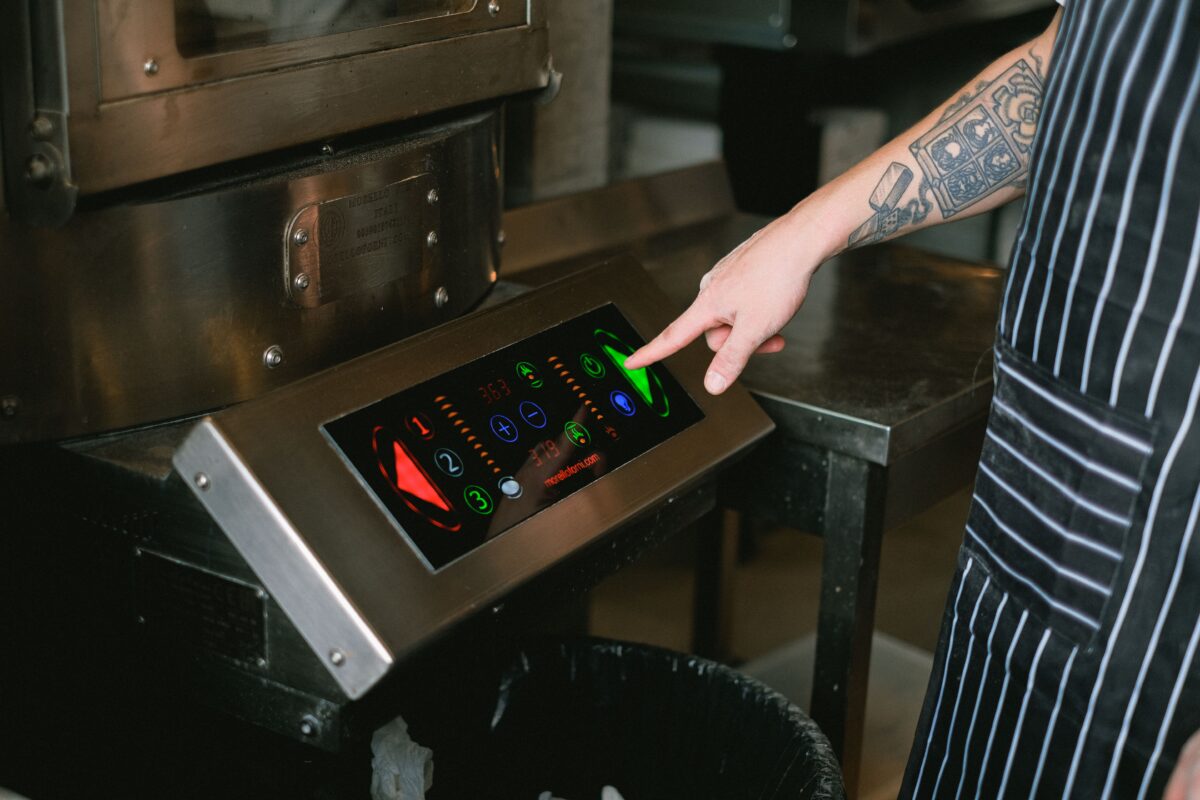
Technology is shaping convenience foods even before they arrive in stores.
Food companies now look at data, shopping habits, online reviews, and trends to learn what people want. They are also using artificial intelligence to develop new products and make better decisions.
For shoppers, technology shows up in daily life. Grocery apps, meal planners, recipe sites, digital coupons, personalized tips, and online ordering all help families decide what to eat.
Now, a busy parent can get meal ideas based on what they already bought, automatically make grocery lists, or find recipes that fit their diet.
These tools help save time and cut down on food waste.
But technology has its limits. An algorithm might suggest meals based on data, but it cannot know everything about a person’s health, culture, budget, or family routines.
Technology can give useful advice, but it cannot replace personal judgment.
The best digital tools make cooking easier instead of telling people exactly what to eat.
Busy Families Are Driving Convenience Innovation
People often criticize convenience food as just a shortcut, but that overlooks how busy family life really is today.
For many families, dinner comes after a long day of work, school, commuting, caregiving, and more. Making a complicated meal every night is not realistic.
That is why many of today’s most popular convenience foods are not necessarily fully prepared meals. Instead, they remove the most difficult parts of cooking.
Examples include:
- Pre-cut vegetables that reduce preparation time
- Ready-to-cook proteins
- Frozen grains and vegetables
- Meal kits that remove planning
- Rotisserie chicken that becomes several meals
- Prepared sauces that make simple ingredients more exciting
These products offer what you might call ‘partial convenience.’ They let people cook at home but skip some of the most time-consuming steps.
This gives families a middle ground between cooking from scratch and ordering takeout.
The goal isn’t to avoid cooking completely. It is making cooking possible on busy days.
The Debate Over Whether Convenience Foods Are Truly Better

The new generation of convenience foods has improved in many ways. Consumers now have access to more products with vegetables, whole grains, plant-based ingredients, lower-sugar options, and higher-quality ingredients.
However, nutrition experts continue to debate how much healthier these products really are.
Some convenience foods are still highly processed and have ingredients for long shelf life, strong flavors, and easy eating. But processing is not always bad. Many healthy foods, like frozen vegetables, canned beans, yogurt, and whole-grain bread, are also processed.
The real question is what is in the food and how often someone eats it.
A frozen meal with vegetables, beans, and whole grains differs greatly from a sugary snack, even if both are packaged foods.
Shoppers are starting to look past words like ‘natural,’ ‘high protein,’ or ‘healthy.’ It is still important to read nutrition labels, check ingredients, and think about how a food fits into your overall diet.
Convenience is helpful, but it does not always mean good quality.
The Future of American Convenience Foods
Convenience foods will become even more personalized, use more technology, and keep changing to match what people want.
Companies are making products for specific needs, like higher-protein meals, plant-based choices, lower-sugar foods, functional foods, and meals for different lifestyles.
Sustainability will matter more as shoppers want better packaging and eco-friendly production. But companies also have to keep convenience foods affordable, easy to carry, and long-lasting.
Artificial intelligence may help companies make new products and help shoppers find meals that fit their tastes.
But convenience foods will not be fully automated in the future.
People still want meals that taste good, fit their budget, and work with their daily lives. They want food that saves time without feeling like they are sacrificing quality.