8 Kitchen Appliances Americans Are Slowly Saying Goodbye To
Open a kitchen cabinet that hasn’t been touched in a while, and you’ll likely find something that once felt essential.
A popcorn popper sitting behind the mixing bowls. A bread machine that got used twice. A crank-handle can opener pushed aside after an electric version promised to make life easier, only for the simple manual tool to take its job back quietly.
This is how most kitchen appliances actually disappear.
Not with a dramatic cleanout, but through a slow demotion. One skipped use becomes a forgotten month, then years of collecting dust on a back shelf.
And that quiet shift says something about how Americans cook today. The appliances fading from kitchens are not necessarily broken or outdated. They are simply losing the daily argument against newer, faster, more flexible options.
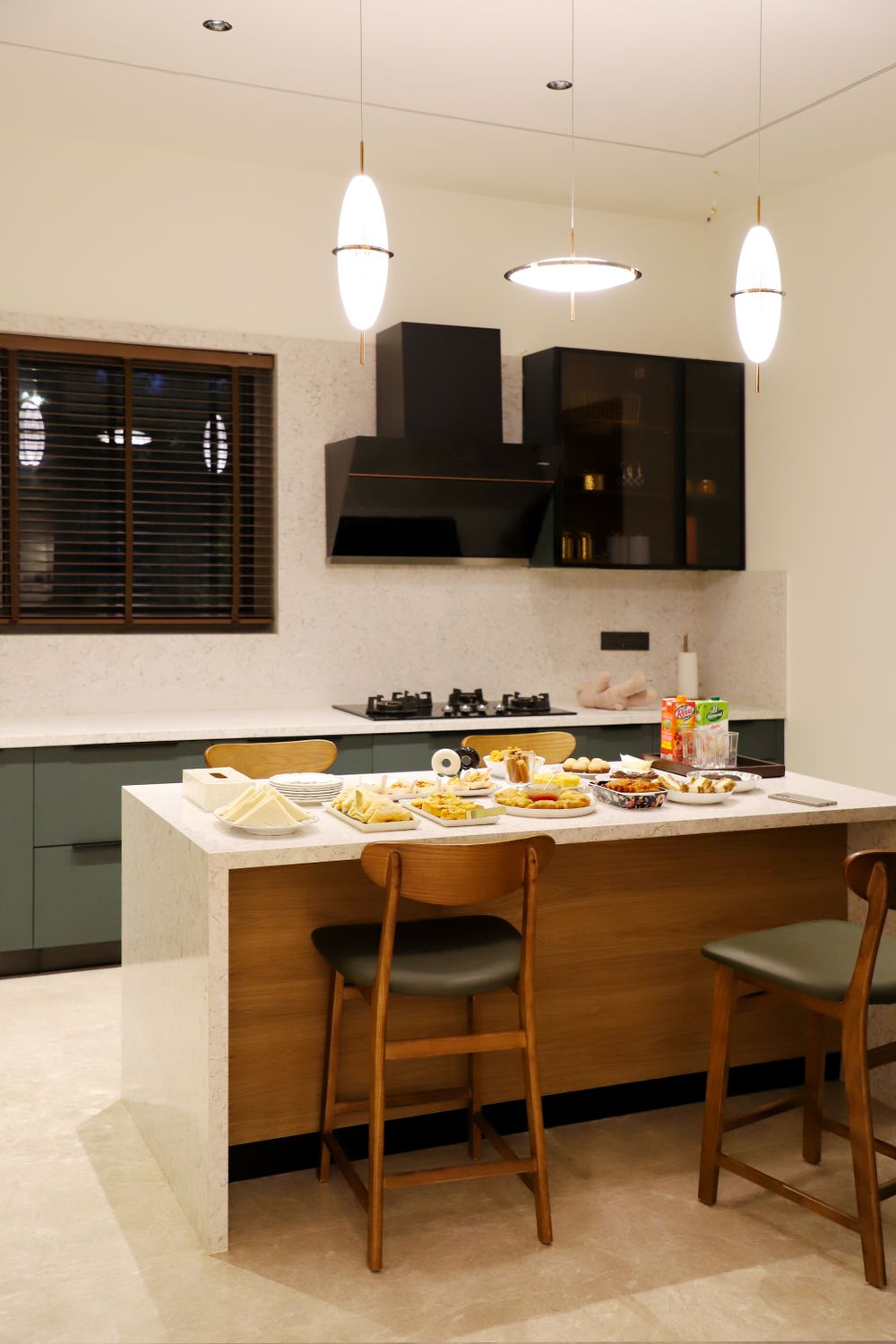
Because modern kitchens have a new rule: every inch of counter space has to earn its place.
The Slow Cooker’s Slow Exit
For years, the slow cooker was the answer to the weeknight dinner problem. The promise was simple: prepare dinner in the morning, turn it on, walk away, and return home to a finished meal. It worked perfectly for a lifestyle built around planning.
But that is also where its weakness appears. Many people no longer decide dinner at 7 a.m. Plans change, schedules shift, and people often decide meals closer to when they eat.
Multicookers began filling that gap by combining slow cooking with pressure cooking, sautéing, and other functions in one device. They offer the same hands-off convenience without requiring the same level of planning.
As Tasting Table noted in its roundup of appliances losing ground in 2026, the slow cooker did not stop working. It simply became less convenient for how many households operate now.
Related: 15 Everyday Items That Are Worth More Than You Think
Standalone Toasters Losing the Counter Space Battle
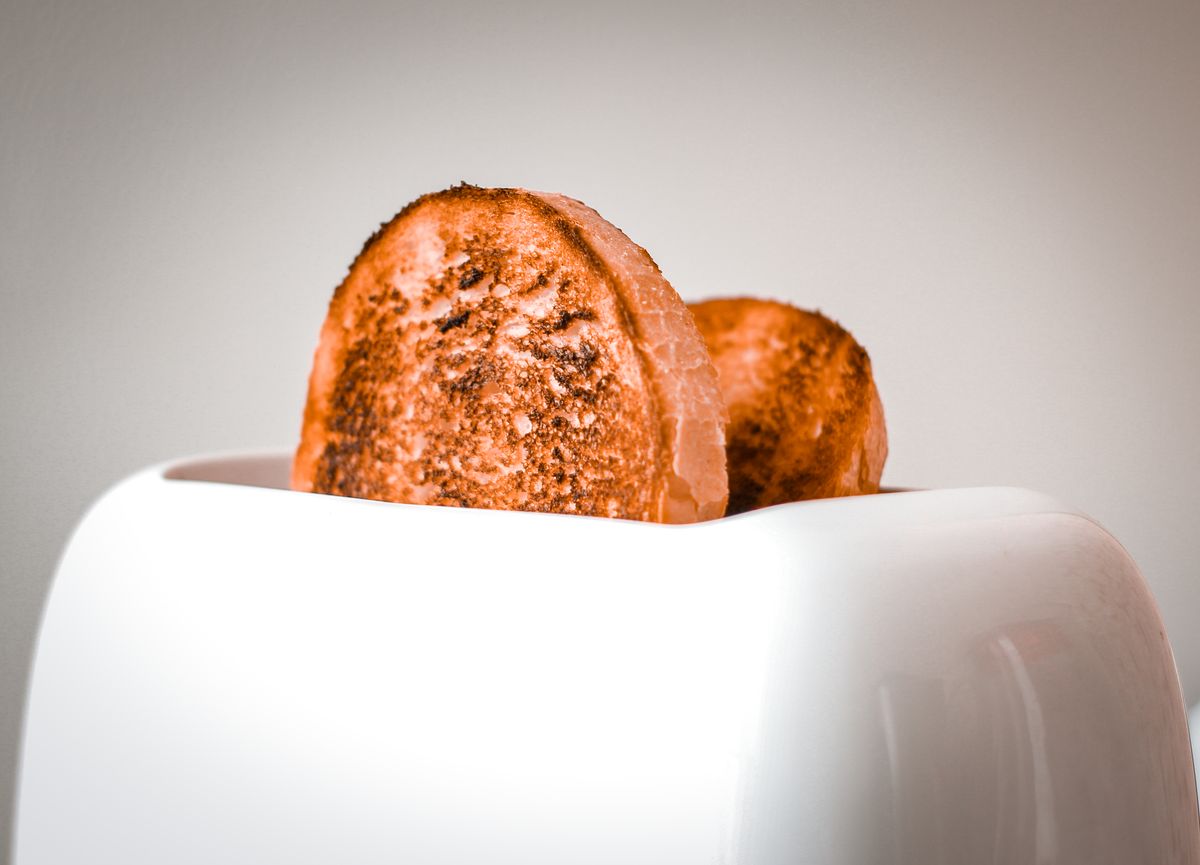
A toaster has always been designed around one simple job: making toast. For decades, that was enough. But kitchen priorities have changed.
As smaller kitchens and limited counter space become more common, one-job appliances face a tougher challenge. Toaster ovens now do everything a traditional toaster does, plus reheat leftovers, bake small portions, and handle meals beyond breakfast.
House Digest’s look at fading kitchen appliances highlights this exact shift. When one appliance can replace two, the single-purpose version becomes harder to justify. The toaster is not disappearing because people stopped eating toast. It is losing because kitchens now demand more from every appliance.
Bread Machines After Their Big Moment
Bread machines enjoyed a major comeback when home baking became a cultural obsession. During the sourdough craze, many people discovered the satisfaction of making bread at home. Bread machines promised an easier version of that experience: fresh bread without the traditional effort.
But many home bakers discovered something unexpected: they enjoyed the process itself. Kneading dough, shaping loaves, and being involved in the craft became part of the appeal. The machine offered convenience, but it took away some of the experience people wanted.
The bread machines bought with excitement during that period often ended up back in storage. Not because they failed, but because they no longer matched what people wanted from baking.
The Popcorn Popper’s Novelty Problem
Few appliances reveal the difference between excitement and everyday usefulness as clearly as the popcorn popper. At first, it feels like a great addition. Movie nights become more fun, and making fresh popcorn feels special.
Then reality sets in.
For many households, the popcorn popper gets used for a birthday party, a movie night, or a special occasion and then spends most of the year sitting untouched.
Chowhound grouped popcorn poppers with other novelty appliances that create a fun experience but struggle to justify the storage space they take up. Microwave popcorn and stovetop methods handle everyday cravings without requiring another permanent spot in the kitchen.
The issue is not whether the appliance works. It is whether people use it often enough to keep it.
Deep Fryers Losing the Cleanup Battle
Deep fryers once brought restaurant-style fried food into home kitchens. The flavor was never the problem. The cleanup was. Managing hot oil, storing it, reusing it, and eventually disposing of it made deep frying feel like a bigger commitment than many people wanted.
Air fryers changed the conversation by removing much of that hassle. They offered a quicker, cleaner way to create crispy foods without the same oil-management process. They did not replace every part of traditional frying, but they solved the biggest complaint. For an appliance used only occasionally, convenience became the deciding factor.
The Electric Can Opener That Lost to Simplicity
Electric can openers were once marketed as the modern upgrade over manual versions. Push a button and let the machine handle the work.
But sometimes simpler wins.
Many electric models take up more space, cost more, and can struggle with larger cans. A basic manual opener, meanwhile, handles the same task with little effort and no extra maintenance.
It is a small example of a larger pattern in kitchens: newer does not always mean better. Sometimes the tool that survives is the one that works reliably and takes up almost no space.
Juicers and the Healthy Kitchen Dream
The juicer represented a certain kind of healthy lifestyle. Fresh juice every morning. A kitchen full of produce. A commitment to a new routine. The machine itself was rarely the problem. The routine was.
Juicing requires preparation, cleanup, and a surprising amount of fruit and vegetables for one glass. Many people start with enthusiasm but eventually find the process harder to maintain than expected. After a few weeks of regular use, plenty of juicers end up pushed into cabinets, waiting for a habit that never returns.
What These Appliances Reveal About Modern Kitchens
None of these appliances disappeared overnight. They lost small battles over time. Something became easier to clean. Something became more versatile. Something offered the same result while taking up less space.
That is how kitchen trends really change, not through sudden replacements, but through everyday decisions about what earns a place on the counter.
The appliances that survive are usually the ones that continue proving their value long after the excitement fades. Because somewhere in a kitchen cabinet right now, an appliance is probably waiting for a use that never comes. And that quiet transition from essential to forgotten is how kitchen history changes.
So here’s the real question worth asking: which of these is sitting in the cabinet right now, and when’s the last time it was actually plugged in? Sometimes noticing what we’ve quietly stopped using says more about how we cook today than any trend report ever could.