6 Roasting Mistakes That Could Be Keeping Your Vegetables From Turning Golden
Roasting vegetables should be one of the easiest ways to create deep flavor, crisp edges, and tender centers. But sometimes the results are disappointing: broccoli burns before it softens, mushrooms turn watery instead of golden, or tomatoes release so much liquid that they seem more steamed than roasted.
The problem may not be your ingredients. It may be the roasting rules you are following. Many popular kitchen tips work well in certain situations, but vegetables do not all behave the same way in the oven. Broccoli, mushrooms, and tomatoes each contain different amounts of moisture and respond differently to heat.
The best roasting results come from understanding the vegetable, not simply following a rule.
Assuming All Moisture Is Bad
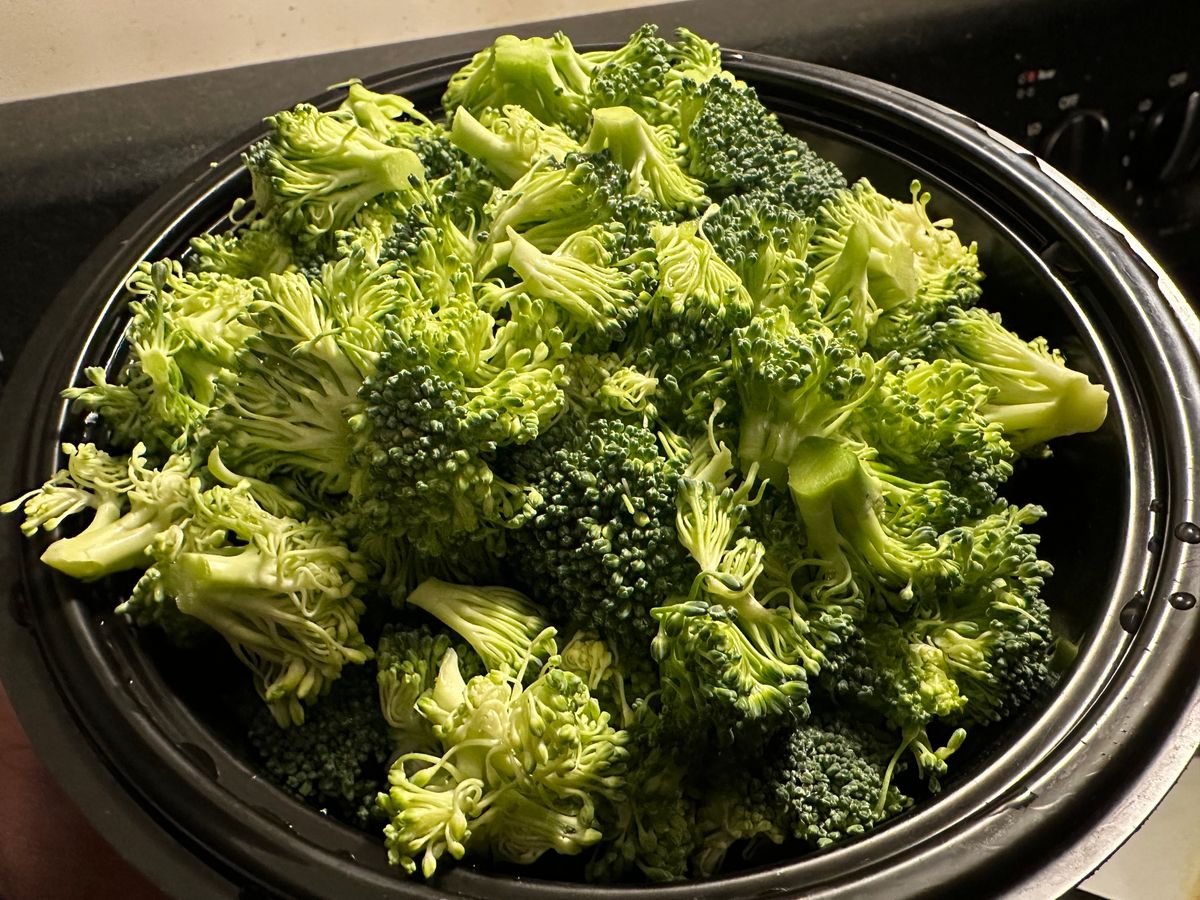
One of the most common roasting beliefs is that vegetables must stay completely dry because moisture prevents browning. There is some truth to this. Dry, high heat helps vegetables develop those golden edges and rich roasted flavors. But moisture is not always the enemy.
Broccoli is a good example. The florets can brown quickly, while thicker stems may still need extra time to become tender. A high-heat roast can create caramelized edges, while a short covered finish can help soften thicker parts without removing all the roasted texture.
Tomatoes also benefit from a flexible approach. Their natural juices can help with tenderness, but they need time to evaporate when you want concentrated flavor. Instead of trying to eliminate moisture, think about how much moisture the vegetable needs to release.
Related: 5 Common Foods That Become Toxic When Reheated
Treating Mushrooms Like They Cannot Handle Water
The advice to “never wash mushrooms” has been repeated for years. The idea is that mushrooms absorb water and become impossible to brown.
But mushrooms already contain a significant amount of water, around 85–95 percent, so their own moisture is usually the bigger factor during roasting.
A quick rinse before cooking does not automatically ruin them. Testing from Serious Eats found that mushrooms don’t absorb enough water from a brief wash to prevent browning when cooked correctly.
The important steps come afterward: drain them, roast them promptly, and use enough heat and time for their natural liquid to evaporate. The real mistake is not washing mushrooms. It is not giving them enough time to brown.
Crowding Every Vegetable on the Pan
“Never crowd the sheet pan” is useful advice, but it is not a universal law. Spacing vegetables apart helps hot air circulate and encourages browning. This works especially well for vegetables like broccoli, where exposed surfaces help create crisp edges and caramelized spots.
Serious Eats’ high-heat broccoli method uses a preheated pan to promote faster browning. But mushrooms are different. Some mushroom roasting methods intentionally allow crowding because mushrooms shrink as they release water.
A longer cooking time lets moisture escape before the mushrooms develop color. The better question is not “Is my pan crowded?” It is “Does this vegetable and cooking method allow enough time for moisture to escape?”
Using One Temperature for Every Vegetable
A hot oven is often associated with better roasting, but different vegetables need different strategies. Broccoli benefits from high heat because it quickly creates browned, slightly crisp edges. Mushrooms need enough heat to evaporate their internal moisture.
Tomatoes, however, can require several different approaches depending on the result you want. Small tomatoes can be roasted quickly for blistered skins and charred edges. Larger tomatoes or drained tomatoes may benefit from slower roasting that removes excess liquid and concentrates flavor.
Reliable recipes use a wide range of temperatures, from slower roasting for concentrated tomato flavor to hotter methods for faster browning. The right temperature depends on the texture you want, not just the vegetable name.
Cutting Vegetables Without Considering Their Size
Vegetable size can determine whether roasting succeeds or fails. Broccoli florets and stems do not cook at the same speed. Large stems may stay firm while smaller florets brown deeply. Cutting pieces more evenly helps create a closer cooking timeline.
Mushrooms also change dramatically during roasting because they lose water and shrink. A full pan of mushrooms may look crowded at first but shrinks as it cooks.
Tomatoes also vary depending on whether they are whole, halved, seeded, or drained. Their shape and moisture level affect how quickly they roast. Before adjusting your oven temperature, check the vegetable’s size and structure.
Following Rules Instead of Watching the Food
The biggest roasting mistake may be assuming there is one perfect formula for every vegetable. Successful roasting depends on observing what happens in the oven: Are the vegetables releasing liquid? Are the edges browning? Are the centers becoming tender?
Broccoli may need a combination of browning and gentle steaming. Mushrooms may need time for moisture to disappear before they color. Tomatoes may need either quick heat or slow concentration depending on the dish.
The best roasting habits are flexible ones. Rules can provide a starting point, but the best cooks know when to adjust them. Once you understand how vegetables respond to heat and moisture, roasting becomes less predictable and much more delicious.
Other Posts You May Also Like
. Six Budget-Friendly Foods That Make Everyday Meals Healthier
. 5 Protein-Packed Foods That Make Meatless Dinners Feel Like a Real Meal