Mushrooms With a Twist: The Humble Ingredient That Can Completely Change Dinner
Mushrooms have a funny way of disappearing into the background. They sit beside steak, get stirred into pasta, or quietly appear on pizza without demanding much attention. But give them a little imagination, and they can become the crispiest, richest, creamiest, and most surprising part of the meal.
The Mushroom Is More Versatile Than It Looks
The real trick is to stop treating mushrooms like a side dish and start treating them like the main event.
Mushrooms already have something working in their favor: umami, that deep savory taste that makes food feel fuller and more satisfying. Their texture can also change dramatically depending on how you cook them, which is why the same mushroom can feel meaty in one dish, silky in another, and almost crunchy somewhere else. Browning is particularly useful because it develops deeper savory flavors instead of leaving mushrooms pale and watery.
That gives you plenty of room to play. Instead of simply sautéing mushrooms and calling dinner finished, think about what happens when they meet something spicy, crispy, creamy, sour, or unexpectedly sweet. Even familiar mushroom varieties can suddenly feel completely different when the texture and supporting flavors change.
Give Mushrooms a Seriously Crispy Personality
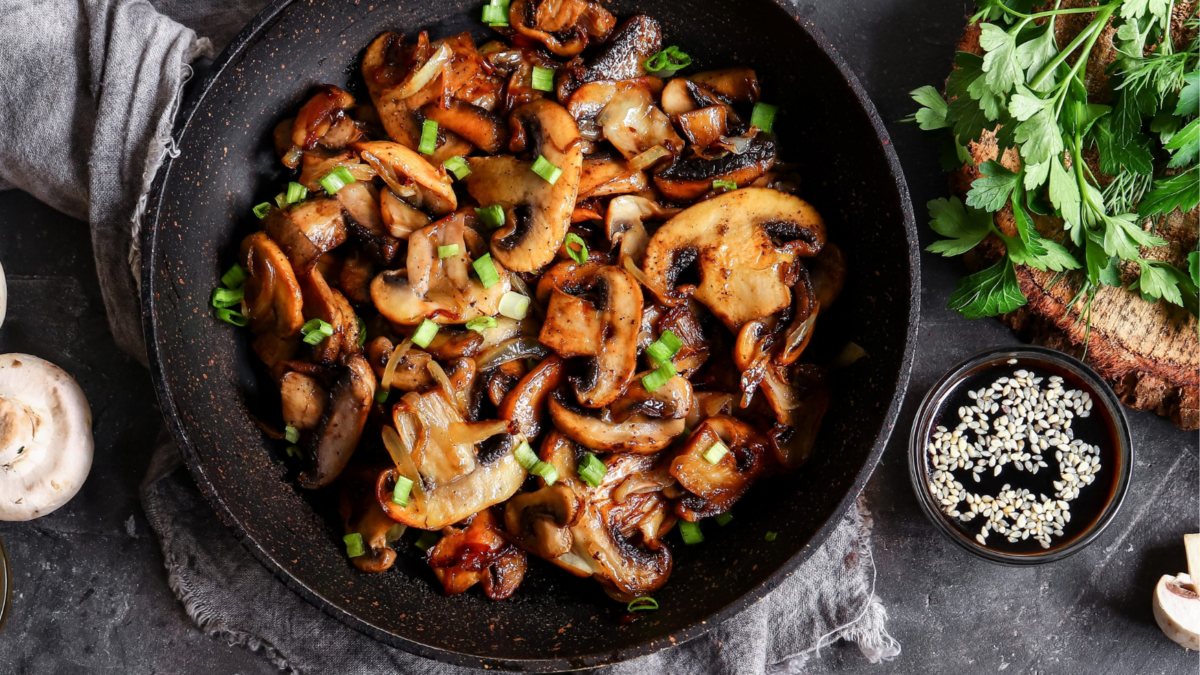
A little browning can turn a soft mushroom into the part of dinner everyone fights over.
One of the easiest ways to twist mushrooms is to let them develop serious color rather than stopping when they merely become tender. Those browned edges bring out a deeper flavor and create a satisfying contrast with softer foods, especially when you add something fresh or acidic afterward.
Cooks have paid attention to mushroom technique for generations. Julia Child famously emphasized giving mushrooms enough space in the pan so they can brown rather than simply steam, a small detail that can make a surprisingly large difference. The Smithsonian’s discussion of mushrooms and cooking also highlights just how much these fungi can contribute beyond their familiar supporting role. Smithsonian’s look at mushrooms and cooking
Then Take Them Somewhere Unexpected
Mushrooms become much more interesting when you stop limiting them to the usual pasta-and-cream routine.
Around the world, cooks have been doing exactly that. Mushrooms appear in European stews and risottos, Asian rice dishes, Japanese preparations, and countless regional specialties, while modern cooks happily combine them with chili, citrus, fermented ingredients, and bold spices.
That global flexibility is part of what makes mushrooms so useful. A mushroom can take on a dish’s character without disappearing into it so that the same ingredient can work with soy and ginger one night and herbs, cheese, and lemon the next.
Try Mushrooms on Toast, but Give Them a Twist
Toast sounds ordinary until mushrooms, herbs, cream, and a little acidity turn it into something you actually crave.
The James Beard Foundation has highlighted wild mushroom toast as a Scandinavian-inspired comfort food, showing how mushrooms can become the star rather than an afterthought. The combination works because every bite brings contrast: crisp bread underneath, tender mushrooms on top, rich sauce, and brightness from ingredients like lemon.
You can take that idea in almost any direction. Add chili for heat, pickled onions for sharpness, fresh herbs for brightness, or a little strong cheese for extra depth. It is the sort of meal that feels much more elaborate than the amount of work actually involved.
The Real Twist Might Be Texture
Sometimes the most exciting mushroom dish does not need an unusual ingredient—it just needs a different bite.
Think about combining several textures rather than piling on more flavors. Crisp mushrooms over creamy polenta, roasted mushrooms with a crunchy salad, or deeply browned mushrooms alongside a soft egg can make a familiar ingredient feel completely new.
That kind of variety also fits naturally into simple habits that recharge your mind and body, because interesting food does not have to mean complicated food. A few contrasting textures can make an ordinary weeknight meal feel much more deliberate without turning dinner into a major project.
There Is a Whole Mushroom World Beyond the Button
Once you look beyond the supermarket’s standard white mushrooms, dinner gets considerably more adventurous.
Shiitake, oyster, maitake, enoki, and chanterelles all bring different shapes, aromas, and textures to the table. Some are delicate and almost floral, others are dense and meaty, while certain varieties become wonderfully crisp when cooked properly.
That variety is one reason mushrooms have fascinated cooks for centuries. But wild mushrooms deserve caution: appearance alone is never a reliable way to tell whether a mushroom is safe to eat, so foraged varieties should come only from knowledgeable, trustworthy sources.
Related: The Cozy Soup Formula You’ll Want on Repeat When Dinner Feels Impossible
Let the Mushroom Be the Surprise
The best mushroom twist is giving an ingredient you normally overlook the attention it deserves.
A mushroom can become crisp instead of soft, spicy instead of earthy, elegant instead of rustic, or the centerpiece instead of an afterthought. Because mushrooms work comfortably with grains, vegetables, eggs, meat, cheese, and sauces, you can keep changing their personality without completely reinventing dinner.
They also fit naturally into meals built around foods that support energy and mood, making them an easy ingredient to keep in the rotation. And if you want inspiration from cooks who treat mushrooms as much more than a side dish, the James Beard Foundation’s mushroom toast ideas show just how far the humble fungus can travel.
The next time mushrooms are sitting in your refrigerator, don’t automatically reach for the same butter-and-garlic routine. Ask what would make them surprising instead.
Would you rather try mushrooms crispy and spicy, creamy and cheesy, or paired with something completely unexpected?