6 Foods That Can Take Up Space in Your Pantry for Months
You open a cabinet looking for something you actually need and find an ingredient you remember buying for a recipe that never became part of your regular routine. Maybe it was for a weekend baking project, a new dish you planned to try, or simply because the larger package seemed like the smarter choice.
This happens often because many pantry foods are perfectly reasonable purchases that simply do not match the way a household actually cooks. The issue is not always the food itself; it is whether the amount purchased fits the plans you realistically have for using it.
Some ingredients can become long-term pantry residents because they are used occasionally, purchased for one specific meal, or bought with good intentions that never turn into habits. Here are six foods that can quietly take up space for months.
Specialty Flours
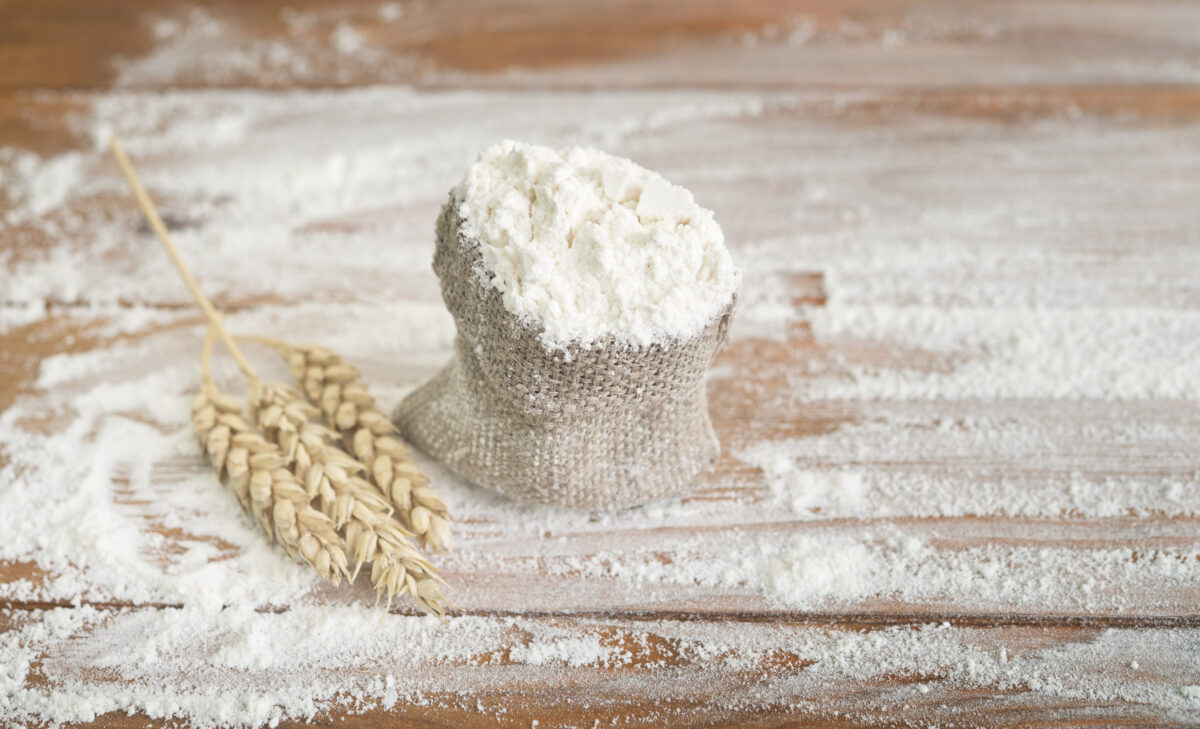
Specialty flours can be a great addition to the kitchen when you regularly use them. Almond flour, coconut flour, bread flour, cake flour, whole-wheat flour, and gluten-free blends can all make sense for specific recipes or baking styles.
The challenge comes when a bag is purchased for one project, and the rest sits untouched. A recipe may only require part of the package, leaving behind an ingredient that does not fit into the household’s usual cooking routine.
Some whole-grain, nut, bean flours, and flour blends contain naturally occurring oils that can affect freshness and quality over time. Colorado State University Extension recommends refrigeration or freezing for these types of flours to help maintain freshness and quality, along with checking for an off or disagreeable odor before use.
The lesson is simple: a specialty flour is a useful purchase when it has a realistic place in your regular recipes. Otherwise, it can become a reminder of the baking plans you once had.
Dried Herbs and Ground Spices Bought for One Recipe
Spices are one of the easiest pantry items to collect without noticing. A recipe calls for a small amount of sumac, cardamom, fenugreek, or a special seasoning blend, and suddenly a new jar joins the lineup.
The tricky part is that many spices are used in small quantities. USDA FoodKeeper reference guidance lists quality ranges of about two to three years for ground spices and three to four years for whole spices. These are quality guidelines, not a reason to view older spices as automatically dangerous.
University of Minnesota Extension recommends purchasing dried foods in quantities likely to be used within a few months and using older packages first.
A single recipe can create a surprisingly long relationship with a spice jar. Before buying another specialty seasoning, it helps to know whether you already have a few future meals planned for it.
Related: 8 Pantry and Fridge Staples That Offer Calcium Beyond Milk
Large Bags of Dry Beans and Lentils
Dry beans and lentils are classic pantry staples for good reason. They are versatile ingredients that many households keep on hand. The problem begins when the amount purchased does not match how often they actually appear in meals.
A large quantity may seem like a practical choice, especially when compared with buying smaller amounts more frequently. But if the household usually reaches for quicker options instead, that bag can spend a long time waiting for its turn.
Utah State University Extension includes dried beans, split peas, lentils, rice, and pasta among foods commonly stored at home, while also noting that food quality can decline during extended storage. University of Minnesota Extension identifies dried foods as products that can be affected by pantry pests and recommends realistic purchasing quantities and using older packages first.
A good deal is only useful if the food actually becomes part of your routine.
Oversized Bottles of Cooking Oil
Large bottles of olive oil, vegetable oil, or specialty oils can be a smart choice for households that cook with them often. For someone who uses the same oil regularly, having more available can be convenient.
The issue is that cooking habits vary. A bottle that makes sense for one household may take up unnecessary cabinet space in another, especially when several different oils are competing for attention.
Utah State University Extension notes that food quality can deteriorate during storage and recommends appropriate storage conditions because factors such as heat and humidity can affect quality.
The best approach is to buy according to actual cooking frequency. A specialty oil earns its space when it is something you regularly reach for, not just something that seemed useful during one shopping trip.
Related: 6 Ways to Declutter Your Pantry and Maximize Space
Baking Supplies for an Imagined Baking Habit
Sometimes the pantry tells the story of a hobby that never quite happened. Someone decides they are going to bake more often, buys flour, cake mixes, baking soda, baking powder, decorating sugars, cocoa, extracts, and other supplies — then returns to their usual routine.
Unlike a single specialty ingredient, this is an entire collection built around a future version of the household cook. The supplies may all be useful, but they can accumulate when baking remains an occasional activity.
Utah State University Extension lists flour and prepared flour mixes among foods whose quality declines during storage and advises consumers to buy and store foods they expect to use rather than purchasing more than they can rotate.
The goal is not to avoid baking supplies. It is to make sure your pantry reflects what you actually do, not only what you hope to do someday.
Niche Condiments and Cooking Sauces
Specialty sauces often enter the kitchen with a specific purpose. Maybe it is a bottle of barbecue sauce for one recipe, a marinade for a planned dinner, a specialty dressing, a salsa, or a chutney that seemed perfect at the store.
The challenge comes when the original meal is finished, and the bottle has no obvious second act. The ingredient was purchased with good intentions, but it does not naturally fit into everyday cooking.
Some bottled sauces may be shelf-stable before opening, while storage guidance can change after opening. FoodKeeper provides product-specific storage guidance for many food and beverage items, including information designed to help consumers maintain freshness and quality.
A specialty sauce is worth the shelf space when you already know how you will use it again.
Before buying the larger package, ask yourself whether you can name at least two or three realistic meals or recipes that will use the remaining ingredient. This is a simple way to match purchases with actual habits.
Another helpful pantry habit is putting newer packages behind older ones so older items get used first. First in, first out is a widely recommended food-rotation method for reducing waste and keeping older pantry items from disappearing behind new purchases.
A pantry is not a warehouse. Buying in bulk or picking up specialty ingredients can be perfectly sensible, but the amount purchased works best when it matches the way your household really cooks. The most useful ingredient is the one that does not spend months waiting for a plan.