12 Frozen Foods You Should Never Touch in the Freezer Aisle
Frozen food is a lifesaver for busy lives, but some products hide serious nutrition traps. They may promise convenience or even health benefits, but many are loaded with sodium, saturated fat, refined starch, and added sugar.
Choosing the wrong frozen meals can turn a quick dinner into a calorie- and sodium-bomb that doesn’t fill you up. Here are the frozen foods we recommend skipping, with a clear look at why they belong on your “avoid” list.
Oversized Frozen Pizzas

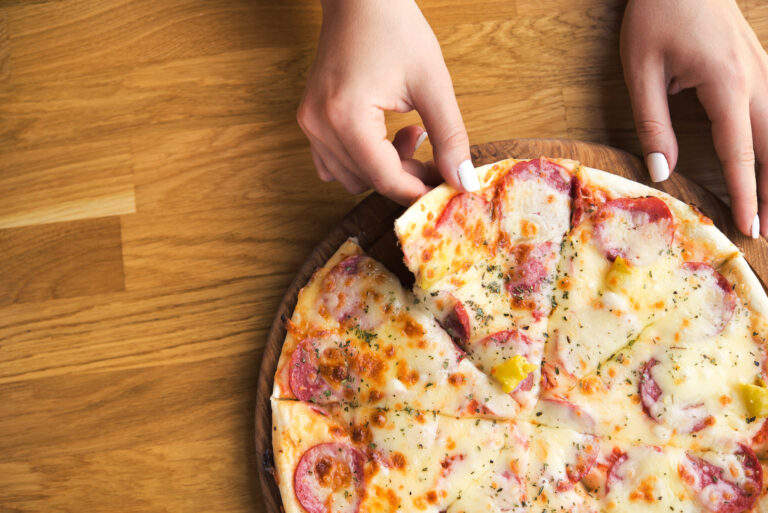
Frozen pizzas are convenient in a box, but they come with hidden dangers. Refined crust, processed meat, cheese, and salty sauce combine to deliver nearly half a day’s sodium in one meal. Labels may list a quarter of a pizza as a serving, but most people eat half or more in one sitting, pushing sodium and saturated fat far above recommended limits.
Even vegetable or thin-crust versions can be deceiving if the toppings are high in processed meats or cheese. A smarter choice is a smaller portion with homemade toppings, or pairing a slice with fresh vegetables to balance the meal.
Frozen Burgers with Fillers
Frozen burgers may contain hidden fillers, such as cheese or bacon bits. Some plant-based patties are high in saturated fat and sodium from oils and flavorings. These products often appear healthier than they are.
Plain patties with whole-grain buns and fresh vegetables allow better control of nutrients and portion sizes while still delivering convenience.
Frozen Appetizers as Meals
Mozzarella sticks, pizza rolls, and jalapeño poppers are designed for snacking, not nutrition. Eating them as a meal increases sodium, saturated fat, and refined carbs, while providing little fiber or protein.
Reserve these for parties or treats. For everyday meals, frozen vegetables, lean proteins, and whole grains make for better plates.
Breaded Chicken Nuggets and Tenders
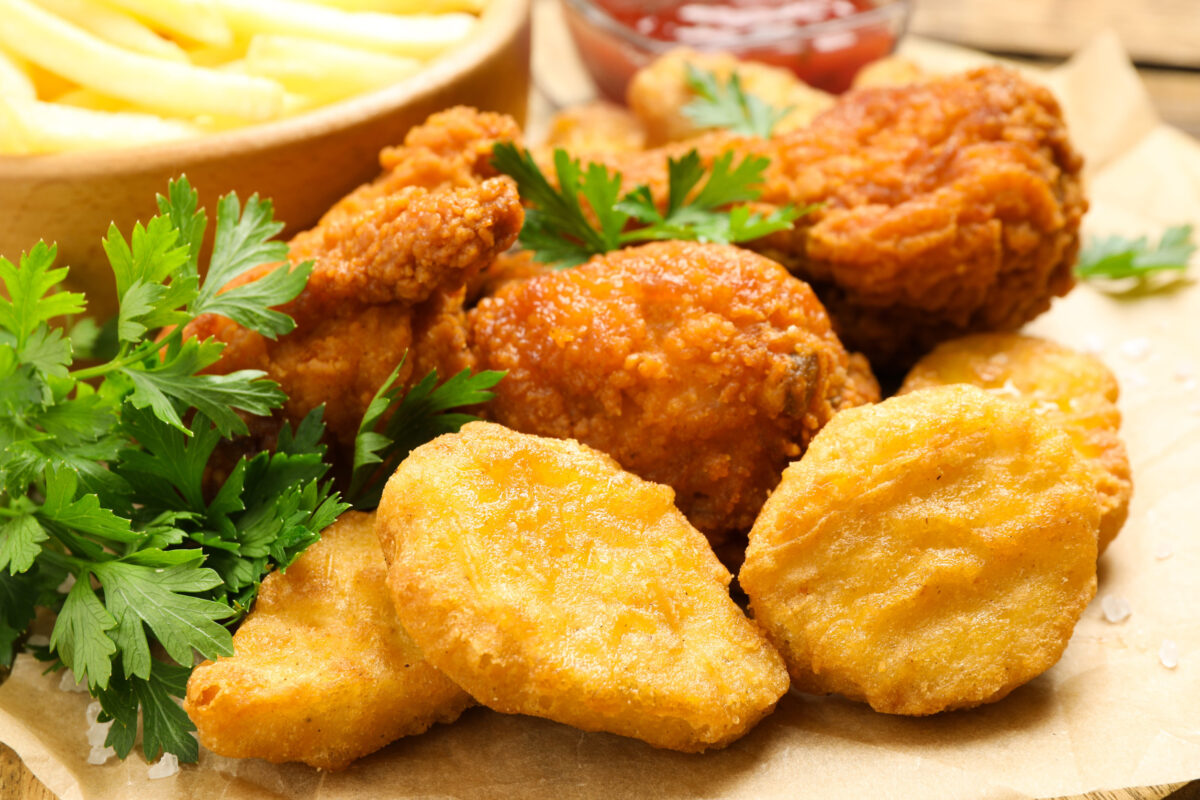
Frozen breaded chicken bites are convenient sources of protein, but often contain refined flour, added salt, and fried coatings. The portion listed on the label rarely matches the real meal you consume, leading to excessive sodium and calories. Safety is also an issue; raw breaded items must reach the correct internal temperature to prevent Salmonella.
Plain, unbreaded frozen chicken or grilled strips offer a safer, leaner alternative. You can season and cook them yourself to control fat, sodium, and portion size while still keeping dinner simple.
Creamy Pasta Bowls
Alfredo, macaroni and cheese, and other creamy frozen pasta meals are mostly starch and fat with minimal vegetables. They may taste comforting, but often lack fiber and meaningful protein, leaving you hungry sooner than expected.
Adding your own vegetables or splitting a portion reduces the impact of sodium and saturated fat while increasing nutritional value. Choosing pasta with whole grains or beans can further improve the balance of these frozen meals.
Fried Chicken TV Dinners
Classic fried chicken dinners include breaded chicken, buttery sides, and sugary desserts, packing a heavy load of sodium, saturated fat, and refined carbohydrates. They appear complete but are far from balanced.
Opting for roasted or grilled chicken with vegetables is a healthier alternative. This provides protein and fiber without overloading your plate with unhealthy fats or sodium.
Sweet Breakfast Pastries
Frozen toaster pastries, cinnamon rolls, and stuffed waffles may seem like convenient breakfasts, but they are essentially desserts in disguise. High sugar, refined flour, and icing make them poor choices for a filling morning meal.
Stick to whole-grain waffles with fruit, or plain frozen berries and yogurt, for a breakfast that fuels your day without spiking your sugar levels.
Loaded Pot Pies

Frozen pot pies offer a comforting meal but are often dominated by buttery crust and creamy filling. The vegetable portion is usually minimal, while sodium and saturated fat remain high.
Choosing vegetable-rich soups or making a pot pie with a smaller crust and added vegetables creates a balanced, nutritious meal.
Breakfast Sandwiches with Sausage and Cheese
Frozen breakfast sandwiches may look like a quick solution, but processed meats and cheese on refined bread make them a sodium- and saturated-fat trap. A single sandwich can account for a large portion of your daily limits.
Better options include frozen egg bites, oatmeal with frozen fruit, or homemade burritos with eggs, beans, and vegetables. These alternatives offer protein and fiber without excessive sodium or saturated fat.
Frozen “Healthy” Meals with Heavy Sauce
Meals marketed as healthy can be misleading. Sweet and sour chicken, teriyaki bowls, and orange chicken often contain high sodium, sugar, and refined starch. Packaging and claims can trick you into thinking they are balanced, but labels tell the true story.
Look for meals with lower sodium, minimal added sugar, and visible vegetables. Check serving sizes carefully and pair with fresh produce for better nutrition.
Frozen Lasagna and Meat Sauce Pasta
Frozen lasagna combines refined pasta, cheese, and meat sauce, resulting in high sodium and saturated fat. Serving sizes can be deceptive, often doubling the nutrients consumed in a single sitting.
Vegetable lasagna or homemade versions with whole grains and extra vegetables are smarter options. Pairing with a side salad boosts fiber and reduces overall calorie density.
Frozen Desserts

Frozen pies, cheesecakes, and ice cream cakes can be deceptively large. High sugar, saturated fat, and refined flour make them easy to overconsume.
Smaller treats, frozen fruit, or yogurt-based desserts help keep indulgence in check without derailing nutrition goals.
Conclusion
Avoiding these frozen foods does not mean avoiding the freezer entirely. Plain vegetables, fruits, fish, beans, and minimally processed grains can make healthy meals easier. Reading labels, checking serving sizes, and focusing on fiber, protein, and whole ingredients help you navigate the aisle safely.
Convenience and nutrition can coexist, but only if we shop with caution and skip the items that disguise unhealthy habits behind tempting packaging.