7 Fruits You Should Stop Peeling and Eat With the Skin
Peeling fruit may feel natural, especially when the skin is fuzzy, slightly tough, or a different texture from the flesh. But in many cases, throwing away the peel means throwing away valuable fiber, antioxidants, and plant compounds.
Fruit skins often contain concentrated nutrients that support digestion and overall health. Dietary fiber, for example, can promote regular bowel movements, help people feel fuller after eating and slow digestion. Harvard’s Nutrition Source notes that fruits with edible skins, including apples and pears, are useful sources of insoluble fiber.
That doesn’t mean you should eat every fruit whole. Banana, pineapple, and avocado skins are not typically eaten, while some people may need to limit fruit skins because of digestive conditions or allergies. But for several common fruits, peeling is often unnecessary.
Here are seven fruits worth eating with the skin when they are properly washed and ripe.
Apples
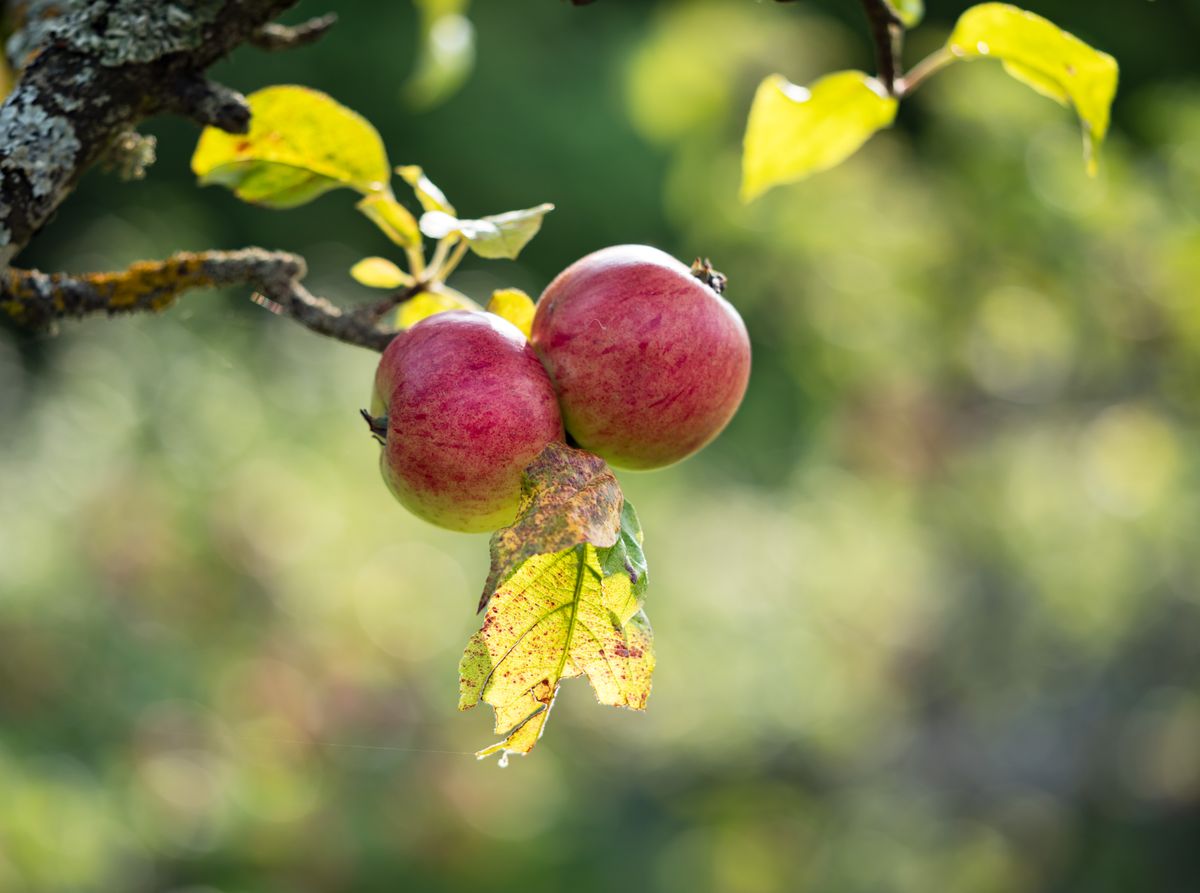
Apples are perhaps the clearest example of a fruit that is better left unpeeled.
A significant portion of an apple’s fiber is in or near the skin. The peel also contains plant compounds, including polyphenols, that contribute to the fruit’s nutritional value.
Recent nutrition guidance continues to emphasize eating apples with the skin when possible because it increases the amount of fiber and beneficial plant compounds you consume.
Fiber is especially important because it slows digestion and helps support a healthy digestive system. Instead of peeling apples for snacks, salads, or oatmeal, wash them thoroughly under running water and slice them with the skin intact.
People who dislike the texture can try thinner slices, which make the peel less noticeable.
Pears
The next time you reach for a pear, consider leaving the peeler in the drawer.
Pear skins provide both soluble and insoluble fiber. A medium pear can supply several grams of fiber, making pears one of the more fiber-rich common fruits. Recent dietary reporting has highlighted pears for their combination of fiber, antioxidants, and water content.
The peel is especially valuable because it contains a meaningful share of that fiber.
Pears are soft enough that the skin usually blends naturally with the flesh, especially when the fruit is ripe. You can eat them whole, slice them into yogurt, or chop them into cereal without removing the outer layer.
One caution: pears can trigger digestive discomfort in some people with irritable bowel syndrome because they contain fermentable carbohydrates. In those cases, tolerance may vary from person to person.
Kiwifruit
Kiwi may be the fruit most people are surprised to learn they can eat whole.
Its brown, fuzzy outer layer looks like something you should discard, but kiwi skin is completely edible. Cleveland Clinic notes that eating kiwi with the skin can significantly increase the fruit’s fiber content.
The peel also contains antioxidants and additional nutrients, while the fruit itself is already an excellent source of vitamin C.
Cleveland Clinic recommends washing and cutting kiwi rather than peeling it automatically.
If the fuzzy texture bothers you, try gently rubbing the fruit with a clean towel after washing. Golden kiwi varieties are another option because their skins tend to be smoother and less hairy.
If you can tolerate the texture, biting into a whole kiwi is one of the easiest ways to increase fiber without adding another food to your diet.
Peaches
Peach skin is thin, edible, and packed with nutrients.
Although some people peel peaches because of their fuzzy texture, the skin contributes fiber and antioxidant compounds. Research reviewed by nutrition experts has found that peach peel contains more of certain polyphenols than the flesh.
A more recent review also notes that eating peaches with their skin provides more dietary fiber and antioxidants than eating the peeled fruit.
The easiest way to enjoy peach skin is to rinse the fruit carefully under cool running water and gently rub the surface.
People with inflammatory bowel conditions or other digestive disorders may find raw fruit skins harder to tolerate. In those situations, peeling may still be appropriate depending on individual medical advice.
Nectarines
Nectarines are closely related to peaches but have smooth skin instead of fuzz.
Because the peel is thin and easy to chew, there is rarely a practical reason to remove it when eating the fruit fresh.
Like many deeply colored fruits, nectarines contain plant pigments and antioxidant compounds concentrated near the surface. Keeping the skin also preserves more of the fruit’s fiber.
Nectarines are especially easy to eat whole because they require almost no preparation beyond washing. You can also slice them directly into salads, breakfast bowls, and desserts.
For families trying to add more whole fruit to meals, nectarines are one of the simplest skin-on options.
Plums
Plums have delicate skin that is entirely edible and provides more than just color.
Research on plum varieties has identified polyphenols and other antioxidant compounds in both the flesh and skin, with several compounds concentrated in the peel.
Removing the skin also reduces some of the fiber you would otherwise consume.
Because plum skins are thin, most people barely notice them when the fruit is fully ripe. Washing the plum thoroughly is usually all the preparation you need.
You can eat plums whole, chop them into salads, or add them to oatmeal and yogurt without peeling.
Persimmons
Persimmons are another fruit that many people peel unnecessarily.
According to Penn State Extension, you can eat persimmon skin along with the flesh.
Persimmons provide fiber, vitamin A-related compounds, and antioxidants. You can eat their smooth outer layer much like an apple’s skin.
The bigger issue with persimmons is ripeness, not the peel.
Some varieties are strongly astringent before they fully ripen because of their tannin content. Purdue Extension notes that certain persimmons need to become very soft before they lose that mouth-puckering quality.
Once properly ripe, however, you usually don’t need to remove the skin.
Wash Fruit Before Eating the Skin
Eating fruit skins does require one important habit: washing produce carefully.
Fresh fruits can pick up dirt, microorganisms, and pesticide residues during growing, transport, and handling. Rinse fruit under clean running water and gently rub the surface with your hands before eating it.
You generally don’t need to wash fruit with soap or household cleaners.
If the skin is bruised, moldy, or damaged, cut away the affected portion or discard the fruit when spoilage is extensive.
People with medical conditions that require a low-fiber diet should follow their healthcare professional’s advice rather than assuming skin-on fruit is always better.
The Bottom Line
Peeling fruit is sometimes necessary, but it should not automatically be the first step.
Apples, pears, kiwis, peaches, nectarines, plums, and persimmons all have edible skins that can provide additional fiber and beneficial plant compounds.
Keeping the skin can also save preparation time and reduce food waste.
The simple rule is to know which skins are edible, wash the fruit thoroughly, and pay attention to your own digestive tolerance.
For many people, eating more fruit does not require buying anything new. It may mean throwing less of the fruit away.