Frozen Berries Recalled in 33 States: Check Your Freezer Before You Eat Them
That innocent-looking bag of frozen berries sitting behind your ice cream could be part of a major recall.
Frozen berries are the ultimate convenience food. They disappear into smoothies, land on top of yogurt, get stirred into oatmeal, and rescue breakfast when fresh fruit has run out. But a recall announced this week has shoppers checking freezer bags after several frozen berry products were pulled over possible contamination with E. coli O145. Reports say the recall covers products distributed across 33 states, along with Washington, D.C., and Puerto Rico.
The products involved include Great Value Organic Triple Berry Blend, Great Value Organic Blueberries, and Trader Joe’s Organic Mixed Berry Blend. The recall expands earlier actions involving frozen organic berries supplied by Frutas y Hortalizas del Sur S.A., a company based in Chile. A report on the expanded frozen berry recall gives consumers another look at the products involved.
Which Berries Should You Check?
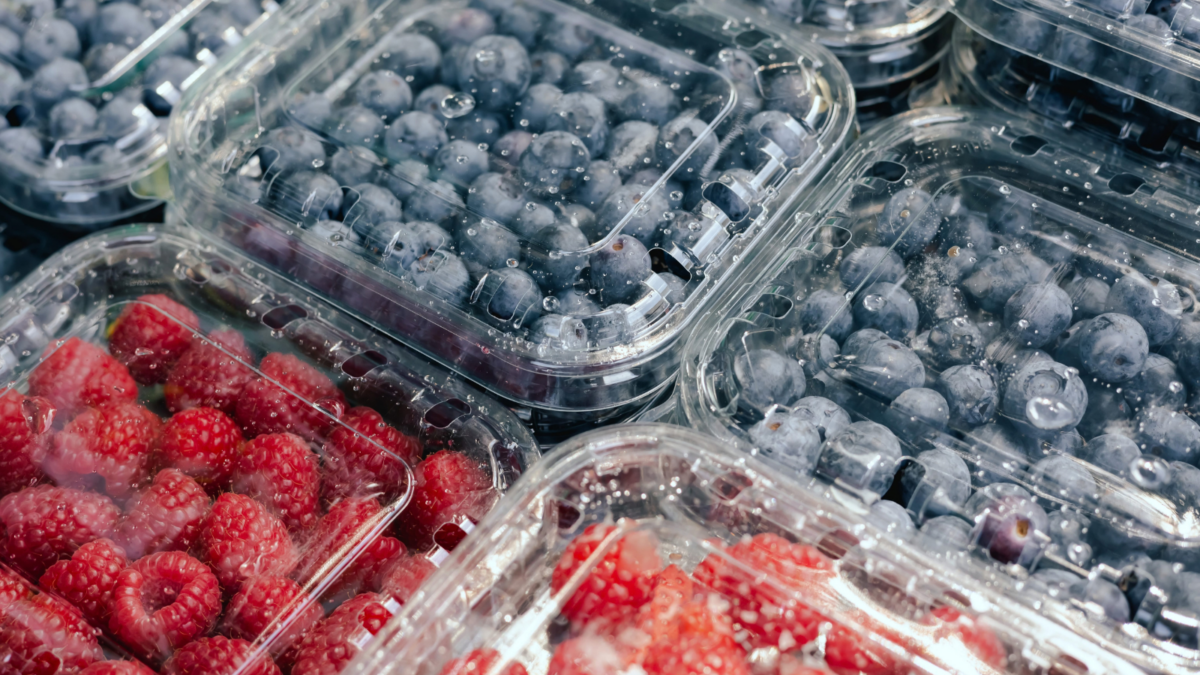
Don’t judge the bag by its brand alone—the lot number and package details matter.
The newest recall covers specific lots of Great Value Organic Triple Berry Blend in 10-ounce packages, Great Value Organic Blueberries in 10-ounce packages, and one lot of Trader Joe’s Organic Mixed Berry Blend in a 12-ounce package. The FDA says consumers with the affected lot codes should not eat the products and should discard them or return them to the retailer for a refund.
The affected Great Value products were shipped to selected Walmart stores in 30 states and Puerto Rico. In comparison, the recalled Trader Joe’s product was distributed to selected stores in 26 states and Washington, D.C. A separate report on the recalled frozen berries outlines the scale of the recall and why shoppers are being urged to check their freezers.
This is where a little kitchen organization pays off. Keeping food packages in their original bags instead of transferring them into unlabeled containers makes recalls much easier to handle. It’s one of those simple habits that seems unimportant until you actually need the information printed on the package.
Why E. Coli Makes This Different
The biggest problem is that contaminated food can look completely normal.
E. coli O145 is a Shiga toxin-producing strain that can cause severe stomach cramps, diarrhea, including bloody diarrhea, and vomiting. In some cases, infection can develop into hemolytic uremic syndrome, a serious complication that can particularly affect young children, older adults, and people with weakened immune systems.
Earlier in the investigation, federal health officials identified 17 illnesses in Florida and Georgia, including six hospitalizations, although the CDC later closed the outbreak investigation on September 21. The ongoing recall reflects additional traceback information and affected product lots, not that every frozen berry product on supermarket shelves is unsafe.
That’s an important distinction. You don’t need to panic about every blueberry in your freezer; you do need to check whether the product and lot you have match the recall.
Frozen Fruit Is Still a Kitchen Favorite
One recall shouldn’t make you forget why frozen berries became such a freezer superstar in the first place.
They’re convenient, require almost no preparation, and can turn an ordinary breakfast into something that feels much more substantial. A handful of berries can go into a smoothie before work, over yogurt for a quick snack, or into a bowl of oatmeal when you need something more interesting than plain cereal. They’re also part of the reason people have become so interested in colorful foods and everyday superfoods.
But convenience works best when you know what you’re actually eating. If you have recalled berries, don’t taste them to see whether they’re okay, and don’t assume cooking or blending will make a recalled product worth keeping.
Take Five Minutes and Look Inside the Freezer
The smartest thing you can do tonight may be remarkably simple: open the freezer and check the bags.
Check your frozen berries, compare the brand, package size, and lot information with the recall details, and separate anything that matches. The FDA specifically advises consumers not to eat affected products and to discard them or return them for a refund.
If you want another easy-to-read account of what happened, this frozen berry recall report explains the recall involving Great Value and Trader Joe’s products and possible E. coli contamination.
Frozen fruit is supposed to make life easier—not give you something else to worry about at breakfast. So before your next smoothie, when was the last time you actually checked the labels on the berry bags hiding in your freezer?