7 Better Ways to Get Rid of Leftover Cooking Oil Without Pouring It Down the Sink Drain
That little pool of oil left in the pan may look harmless, but there are much smarter ways to deal with it.
After frying chicken, making crispy potatoes, sautéing vegetables, or cooking bacon, you can easily end up with more oil than you know what to do with. The easiest temptation is to pour it down the kitchen sink with hot water, but that can allow grease to build up in pipes and contribute to sewer blockages. The EPA specifically advises against putting cooking oil or grease down drains.
Reuse It When the Oil Is Still Good
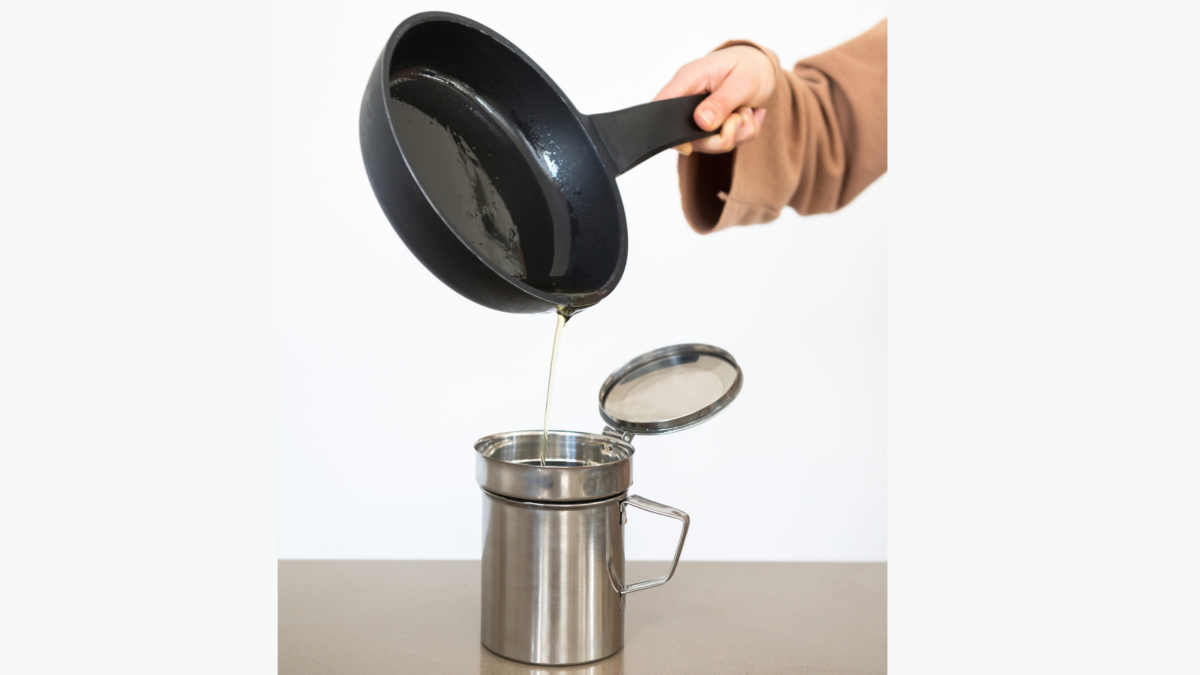
Sometimes the best way to get rid of leftover oil is not to get rid of it at all.
If the oil is relatively clean and hasn’t been overheated, you may be able to reuse it. Strain out crumbs and food particles, then store the oil in a clean, sealed container. Earth911 notes that you can sometimes reuse cooking oil one to three times, depending on what you cooked and whether it still looks and smells normal.
This simple habit can reduce unnecessary waste and save you from throwing away perfectly usable oil.
Strain It and Save It for Another Meal
A little filtering can turn yesterday’s frying oil into tomorrow’s cooking shortcut.
Let the oil cool first, then strain it through a fine mesh strainer or cheesecloth to remove leftover food particles. Store it in a tightly closed container and keep it somewhere appropriate for the type of oil and how soon you plan to use it. If it develops an unpleasant smell, strange appearance, or other signs of deterioration, dispose of it rather than reuse it.
Look for a Cooking-Oil Recycling Program
Your leftover oil may have a second life beyond your kitchen.
Some communities collect used cooking oil for recycling or conversion into other products, including renewable fuels. Instead of guessing, check your local waste authority, recycling center, or collection program to see whether household cooking oil is accepted. Earth911 also provides a cooking-oil recycling search guide to help you find collection options.
This is especially useful when you have a large amount left after deep-frying.
Let It Cool and Solidify
When recycling isn’t available, turning liquid oil into something solid makes disposal much easier.
Let the oil cool completely before transferring it to a suitable disposable container. Some people use an oil-solidifying product that turns used frying oil into a firm mass that’s easier to discard. The key is to keep the oil contained rather than letting it travel through your plumbing.
Seal It in a Container Before Throwing It Away
For small amounts, a sealed container is often the simplest option.
Once the oil has completely cooled, pour it carefully into a leak-resistant container, close the lid securely, and follow your local garbage rules. NYC’s household guidance, for example, recommends cooling cooking oil, putting it in a container, sealing it, and putting it in the regular garbage when recycling isn’t available.
Never pour it onto the ground or into a storm drain either. Keeping it contained is the whole point.
Related: 8 Safe Ways to Dispose of Cooking Oil Without Clogging Your Pipes
Freeze Small Amounts
A freezer can turn a messy disposal job into something surprisingly simple.
For a small amount of leftover grease or oil, let it cool, then freeze it in a suitable container or sealed bag before disposal, where local rules permit. Freezing makes the oil easier to handle and reduces the chance of spills inside your garbage bin.
It is a small kitchen trick that fits nicely alongside other better everyday food choices.
Wipe the Pan Before Washing It
The easiest oil to dispose of is often the oil you never send into the plumbing in the first place.
After cooking, let the pan cool enough to handle safely and wipe out remaining oil and grease with a paper towel before washing. This prevents a layer of grease from entering your pipes with the dishwashing water. NYC’s guidance specifically recommends wiping oil and grease from pots and pans before washing them.
And that’s really the golden rule: cool it, reuse it, recycle it, solidify it, or contain it—but don’t send leftover cooking oil down the sink drain. A few extra seconds in the kitchen can save you from a much bigger plumbing headache later.
Which of these leftover-oil tricks would be easiest for you to start using in your kitchen?