7 Old-Fashioned Doughnut Styles Worth Making at Home
There is a particular kind of pleasure in a homemade doughnut. It begins with flour on the counter, a pot of oil warming on the stove, and the faintly hopeful question of whether the first batch will fry evenly. A few minutes later, the kitchen smells like sugar, spice, and a bakery that opened before sunrise.
Old-fashioned doughnuts do not need elaborate fillings or towering decorations to earn their place at the table. A tender cake doughnut rolled in cinnamon sugar, a glossy yeast-raised ring, or an irregular apple fritter can feel more memorable than the most elaborate pastry case creation.
The appeal is not only nostalgia. These doughnuts use familiar ingredients and straightforward techniques, whether the dough is leavened with baking powder or given time to rise with yeast.
Fried dough has a long history, and the modern doughnut is part of a much larger story. Smithsonian Magazine’s history of the doughnut traces the path from early fried-dough traditions to the American doughnut industry, including the introduction of the first doughnut machine in New York City in 1920.
For home cooks, the old-fashioned approach is simpler. Choose a doughnut style, keep the oil at a steady temperature, and enjoy the first one while it is still warm.
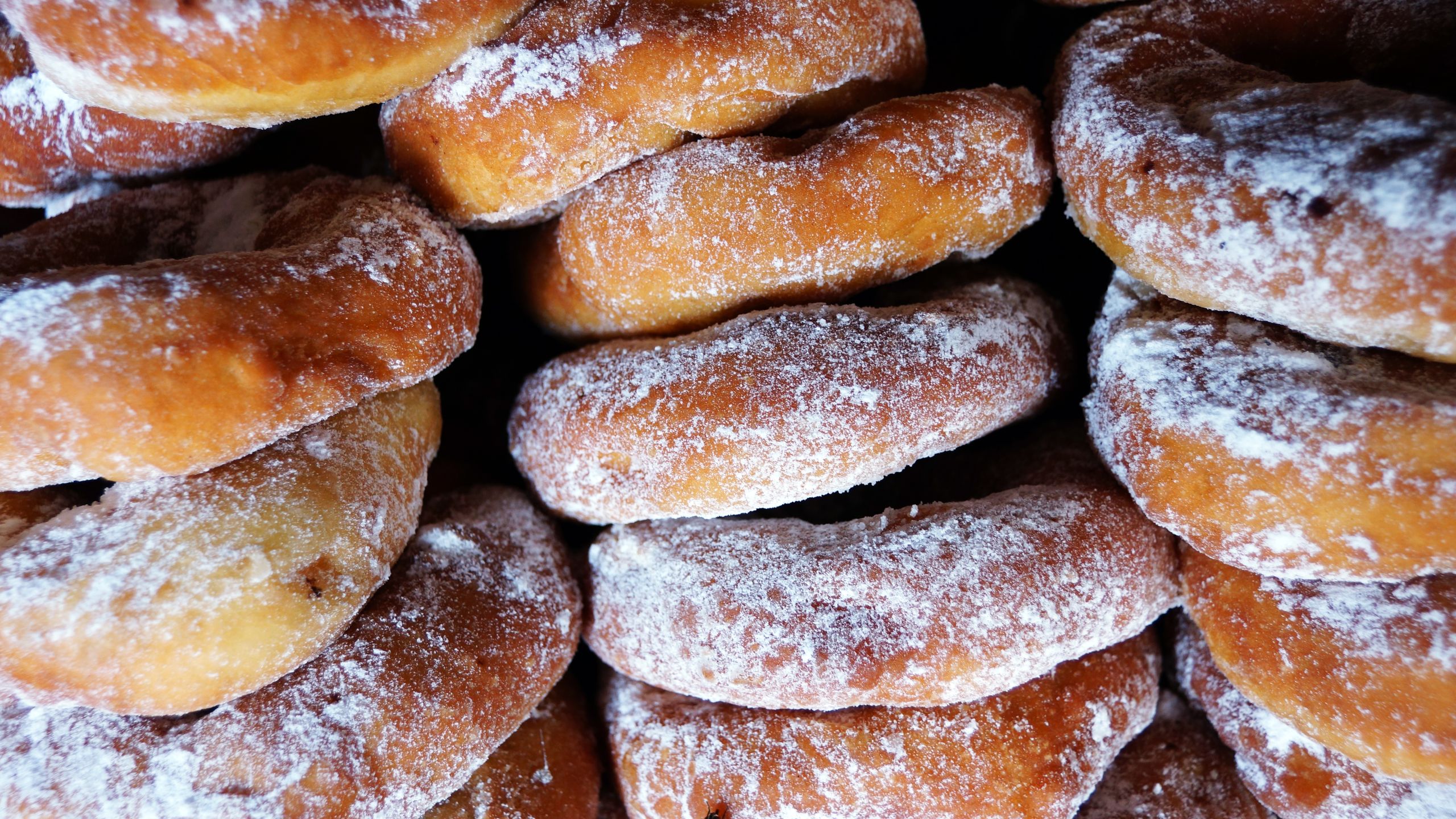
Buttermilk Cake Doughnuts
Buttermilk cake doughnuts are the best place to begin. They have the familiar, slightly dense crumb and crackled outside that many people associate with an old-fashioned bakery doughnut. Nutmeg brings the classic flavor, while buttermilk adds a gentle tang.
Roll the dough, cut it into rings, and fry until the outside turns golden brown. It should be soft enough to work with but firm enough to hold its shape. If it feels sticky, a short rest in the refrigerator can make it easier to roll.
Finish the doughnuts with a vanilla glaze, powdered sugar, or cinnamon sugar. The simplest finish is often the most satisfying because it allows the warm, lightly spiced dough to come through.
For traditional cake doughnuts, King Arthur Baking’s old-fashioned cake doughnut guide recommends frying oil at 365- 375 degrees Fahrenheit. That range helps doughnuts brown without overcooking the outside.
Cinnamon Sugar Doughnut Rings
Cinnamon sugar makes a fresh doughnut feel instantly familiar. This version starts with cake-doughnut dough, but the finish creates its own character. Fry the rings until golden, drain them briefly, and toss them in cinnamon sugar while they are still warm.
Timing makes a difference. A hot doughnut holds the sugar coating beautifully. If it cools too much, the sugar will not cling as evenly. If it is dripping with oil, the coating can turn heavy.
A little nutmeg or cardamom in the dough brings extra warmth, but there is no need to complicate the idea. Cinnamon sugar doughnuts are the kind you bring to the table with coffee, put in the middle, and watch disappear.
They are not trying to be trendy. They are meant to be eaten warm.
Sour Cream Doughnuts
Sour cream doughnuts have a rich, tender interior and a craggy outside that catches glaze in every crevice. Their rough, uneven shape is part of the appeal. Unlike a perfectly smooth ring, a sour cream doughnut can develop edges and cracks as it fries. Those ridges offer a little crispness and give a thin glaze more places to settle.
The dough is generally softer than standard cake-doughnut dough, so it often benefits from chilling before shaping. Some home cooks cut it into rings, while others use a piping bag to form the dough directly over parchment before frying.
A light vanilla glaze is the classic choice. Stir confectioners’ sugar with milk and vanilla until it is thin enough to dip, then let it set on a rack.
The result is a doughnut that looks handmade in the best sense. Each one will be a little different, and that is the point.
Mashed Potato Doughnuts

Mashed potato doughnuts belong to an older home-kitchen tradition of using leftovers thoughtfully. Plain, unseasoned mashed potatoes can give cake-style doughnuts a soft, substantial crumb without making them taste savory. The potatoes blend into the dough, adding body and tenderness.
Use mashed potatoes without garlic, cheese, herbs, or gravy. A plain batch made with minimal additions works best. From there, you can lightly spice the dough with nutmeg or cinnamon, roll it out, cut it, and fry it like other cake-style doughnuts. Sugar or cinnamon sugar is especially fitting here. It keeps the finish simple and lets the doughnut’s soft texture stand out.
This style has the practical charm of an old recipe box. It uses something already in the kitchen and turns it into a breakfast treat worth making on purpose.
Related:10 Delicious Cheese Types Perfect for Boards and Cooking
Yeast-Raised Glazed Doughnuts
Cake doughnuts offer speed. Yeast-raised doughnuts offer patience. They need time to rise, but the payoff is a lighter, airier doughnut with a soft interior and a delicate chew. The dough is usually enriched with milk, eggs, and butter, then rolled, cut, and allowed to puff before frying.
A plain vanilla glaze is all a yeast-raised ring needs. Mix confectioners’ sugar with a little milk and vanilla, dip the warm doughnuts, and let the excess run off.
This is a good weekend project because the dough takes its time. There is mixing, resting, shaping, and waiting again. But none of it is complicated, and the process has a rhythm that makes a slow morning feel well spent.
Colonial Williamsburg’s Historic Foodways staff offers a modern adaptation of an 18th-century doughnut recipe from Mary Randolph’s The Virginia Housewife. The recipe uses yeast, milk, flour, butter, and sugar, a reminder that risen fried dough has deep roots in American cooking. Colonial Williamsburg’s historic doughnut recipe includes both the historical description and a modern home-kitchen method.
Apple Fritter-Style Doughnuts
Apple fritters deliver doughnut-shop comfort without requiring perfect circles. The dough is soft and folded with small pieces of apple, then dropped in rough spoonfuls into hot oil. The irregular shape creates crisp edges, tender pockets, and plenty of places for glaze to collect.
Choose a firm apple that holds its shape when heated. Tart apples offer a useful contrast to the glaze’s sweetness, while sweeter apples can create a softer, more caramel-like flavor.
Cinnamon and nutmeg are natural additions. A little brown sugar can deepen the flavor, but it is not essential.
The beauty of an apple fritter is that it does not need to look precise. In fact, the less uniform the edges, the more character it tends to have. This is the doughnut style for cooks who want homemade results without reaching for a cutter.
Doughnut Holes With Sugar
Doughnut holes are proof that the smallest things on the plate may disappear first. Make them from the centers cut from ring doughnuts or from small scoops of cake-style dough dropped into the oil. They fry quickly, so keep a close eye on them and turn them as needed for even color.
Roll them in cinnamon sugar, plain sugar, or confectioners’ sugar while still warm. Serve them in a bowl lined with a napkin, pile them onto a breakfast table, or save a few for the cook before everyone else arrives.
They are also a smart answer to dough scraps; rather than rerolling every leftover piece, which can make the final doughnuts tougher, fry the trimmings as small, uneven bites.
A Few Rules Worth Keeping
Old-fashioned doughnuts reward attention to a few basics. Use a thermometer when frying. Oil that is too cool can leave doughnuts greasy, while oil that is too hot can darken the outside before the center cooks through. For cake doughnuts, 365 to 375 degrees Fahrenheit is a useful frying range, though individual recipes may call for slightly different temperatures.
Fry in small batches to help keep the oil temperature steady. Let finished doughnuts drain briefly on a rack or paper towels. Add glaze or sugar while they are still warm, then enjoy them on the day they are made.
That is when old-fashioned doughnuts are at their best: crisp at the edges, tender in the middle, and gone before the kitchen has fully cooled.