8 Things You Should Never Put in an Air Fryer
Air fryers can turn frozen fries crispy fast, but one bad kitchen hack can turn that convenience into a safety headache. Electrical Safety First technical director Luke Osborne advises users to always register the product to make sure you are contactable in the event a fault is detected by the manufacturer.
Those warnings point to one smart rule: check your exact model’s manual before trying a liner, foil, container, liquid, or viral cleaning trick. Brands give different instructions, so a hack that works in one fryer may create problems in another.
Never add loose lightweight paper products

Keep lightweight paper like napkins, paper towels, and coffee filters far away from your air fryer. The intense circulating breeze easily lifts loose sheets straight into red-hot heating elements, creating an instant safety hazard. Always preserve a clear 10-centimeter perimeter around your appliance so air circulates freely.
Unapproved DIY paper shortcuts look clever until they catch fire, so treat liners as specialized gear rather than casual kitchen hacks. If you must use perforated parchment or fitted liners, anchor them down with enough food weight right away. Smooth airflow powers every crisp bite.
Never put loose parchment paper inside
Loose parchment paper inside an air fryer is a literal flying fire starter and a total kitchen hazard. Engineer Larry Ciufo found that parchment can block up to 99% of an air fryer’s airflow. Even worse, an unweighted sheet can easily lift directly toward the white-hot heating element and spark a blaze. Never run the appliance with loose paper and zero food holding it down!
Use parchment only if your user manual allows it, trim every corner to fit snugly, and always anchor it with heavy food. Skip it completely during preheating so hot air moves freely. Specific air fryer liners work, but food must pin them down instantly.
Never let foil block vents or heating elements
Aluminum foil is an absolute game-changer for avoiding greasy cleanup duty, but sloppy placement turns a minor kitchen shortcut into a low-key catastrophic hazard. Never let foil block vents or heating elements under any circumstances. Airflow is the secret engine behind crispiness, and wrapping over vents completely suffocates heat circulation.
While Ninja permits foil in select models, meaning a total ban goes too far, you must keep every sheet tight, trimmed, and pinned down away from open heating coils. If your manufacturer handbook explicitly forbids it, skip the foil entirely and embrace the quick scrub. That single two-second inspection preserves proper thermal airflow and keeps stray edges safe.
Never leave plastic wrap or packaging inside
Plastic wrap, foam blocks, stickers, cardboard tabs, and protective films belong in the trash before the first cook. Plastics are the material first ignited in roughly 10% of reported home cooking fires, according to the United States Fire Administration.
That does not make every scrap of packaging a likely fire source, but it gives you zero reason to heat it. Inspect the basket, tray, drawer, and accessories for packing material before use. Remove every insert and film. Then wash and dry the removable parts as your manual directs. Inspect before the first cycle and remove every stray packing piece.
Never load food dripping with marinade
Marinade delivers massive flavor, but dripping liquid is a fast track to smoky chaos and an unholy mess. Excess juices splatter, sizzle, and pool where they don’t belong, completely ruining your smooth cooking session. Let that extra liquid run off and gently pat the surface dry before starting.
Don’t worry, the deep seasoning stays locked right onto the food. You’re simply preventing a wave of wet liquid from crashing into a device engineered to blast intensely hot air. Save the extra sauce for a triumphant drizzle after cooking, or check your manual for approved methods.
Never pour water into the appliance body
Water and electricity are the ultimate kitchen mortal enemies, so keep that tap away from your air fryer’s core. Official guidance from the Cheshire Fire and Rescue Service states that users must wait at least 30 minutes for an air fryer to cool down fully before cleaning it, and they should never immerse the main appliance in water.
Ignore those flashy social media hacks that urge you to boil soapy water right inside the basket on high heat. Stick strictly to scrubbing detachable trays, wiping outer walls with a barely damp microfiber cloth, and safeguarding the internal heating coils, plug, and control dials from any moisture.
Relatable: 5 Iconic Food Inventions That Were Once Ridiculed
Never pour loose batter into the basket
Pouring loose cake batter directly into a mesh airfryer basket is a fast track to a kitchen cleanup nightmare. Raw batter and runny fillings require actual boundaries before tackling those mesh floor holes. Luckily, Philips Airfryers play nicely with four dependable, heat-safe materials: sturdy glass, classic ceramic, durable metal, and flexible silicone, provided the mold fits comfortably inside.
Always opt for an oven-proof pan that leaves enough breathing room around the edges so hot air continues circulating freely. Peek at your model manual for exact dimensions, grab the right dish, and save your basket from disaster.
Never fill the basket with a pool of oil
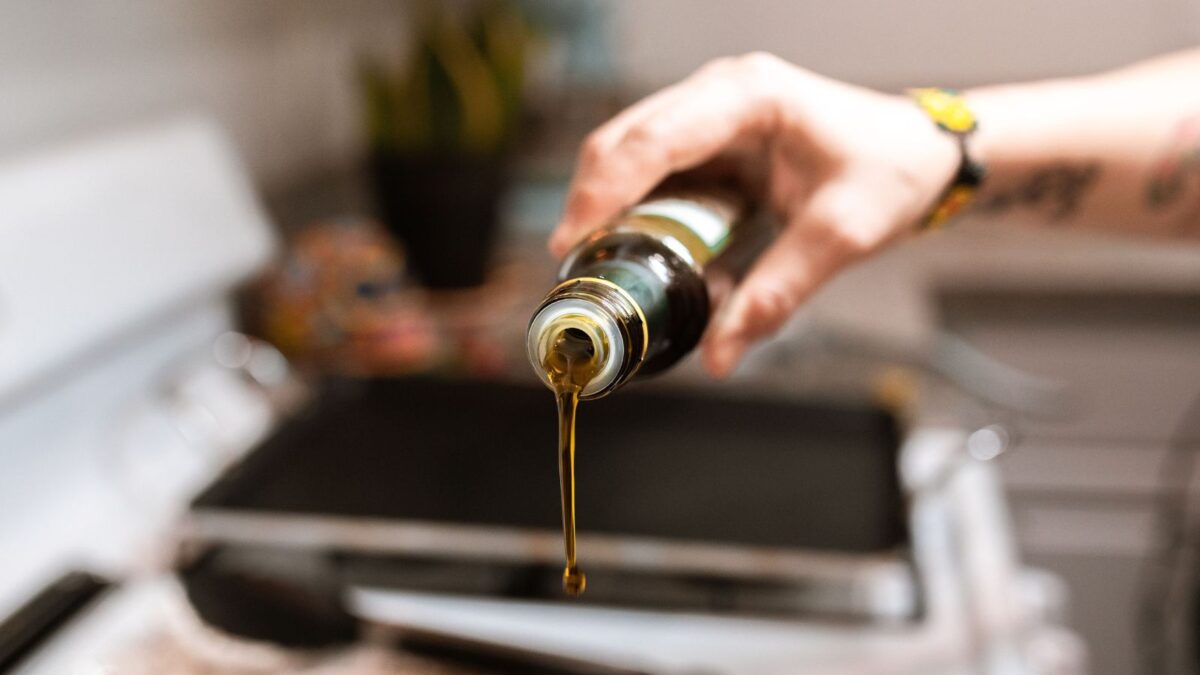
Air fryers use high-speed hot air convection, not liquid baths. Pouring in pools of grease isn’t just wasteful; it turns your favorite kitchen appliance into a full-blown smoke machine and an actual fire hazard. The National Fire Protection Association notes that cooking oil, fat, grease, butter, or margarine are the leading items first ignited in home cooking fires.
To lock in crunch without triggering your smoke detector, toss your food with a measured teaspoon of oil before it goes in, or give it a light spray. Always drain excess fat between batches, wipe down the drawer, and keep your counter clean. You get maximum crispiness, zero kitchen mayhem, and zero hassle.