Beef Tallow Is Sizzling Again And Restaurants Are Betting Diners Will Taste the Difference
Beef tallow is no longer just an old-fashioned frying fat or a niche pantry purchase. Restaurants are putting it back in fryers, food companies are adding it to products, and diners are increasingly asking what oil is behind their fries. The comeback is about flavor, texture, and a powerful nostalgia factor, but it is also wrapped up in a loud, often confusing debate about saturated fat, seed oils, and what “better” food really means.
Why Restaurants Are Looking Again
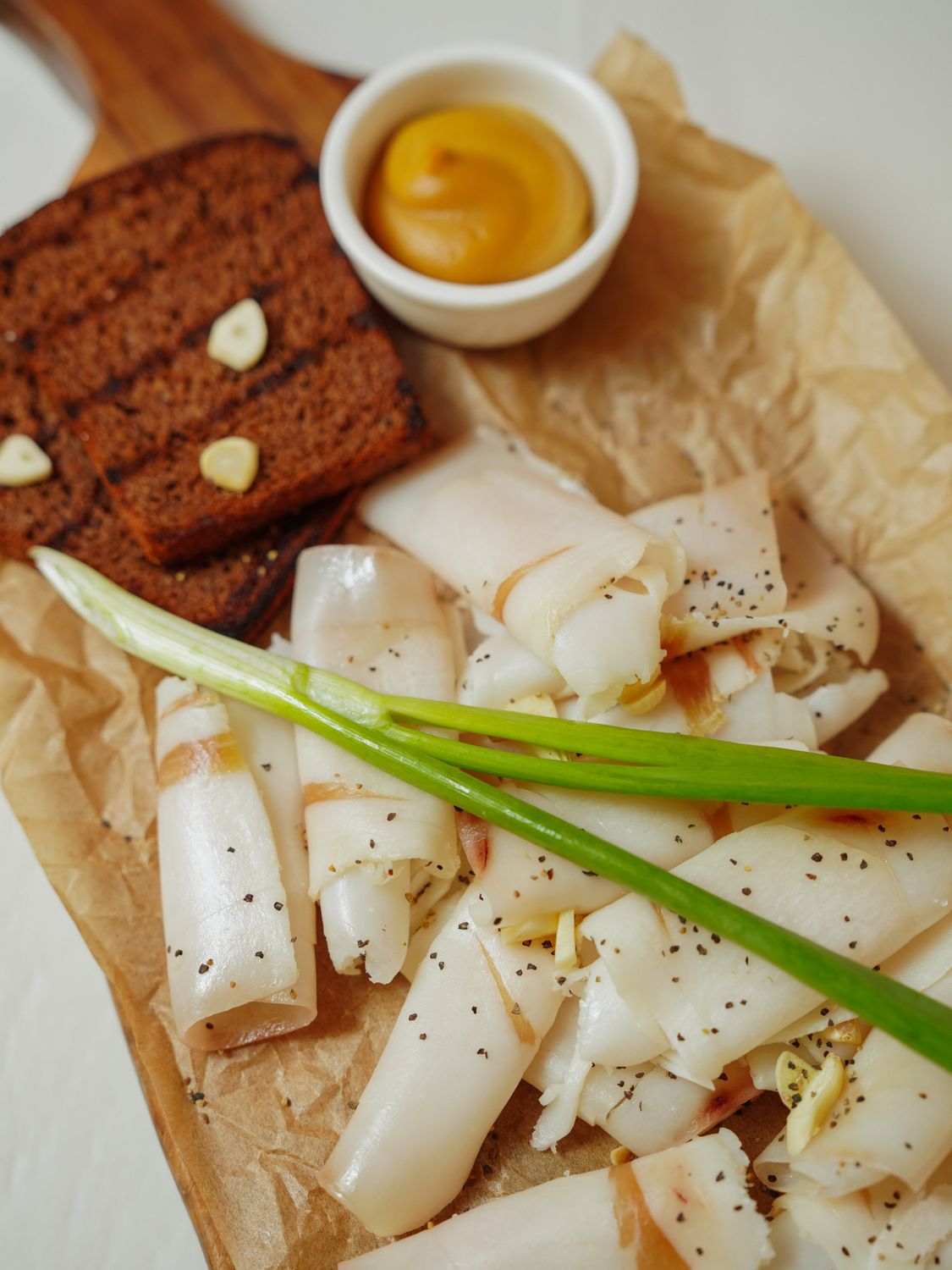
Beef tallow is rendered beef fat: fat from cattle that has been melted and filtered. It is solid at room temperature and has a distinctive savory flavor, which helps explain why it has long been used for frying and baking. Before vegetable oils became the commercial standard, tallow was a familiar workhorse in restaurant fryers; McDonald’s famously moved away from its tallow-based frying approach in 1990.
For restaurant operators, the renewed interest isn’t just about revisiting a retro ingredient. Eric Gustafson, chairman and CEO of Coast Packing, said tallow suits “heavy-duty frying” and pointed to its potential advantages for taste, texture, and fryer performance. He also said operators using tallow can see longer fry life and less cleaning than with some alternatives, though those outcomes will vary by kitchen, menu, and operating practices.
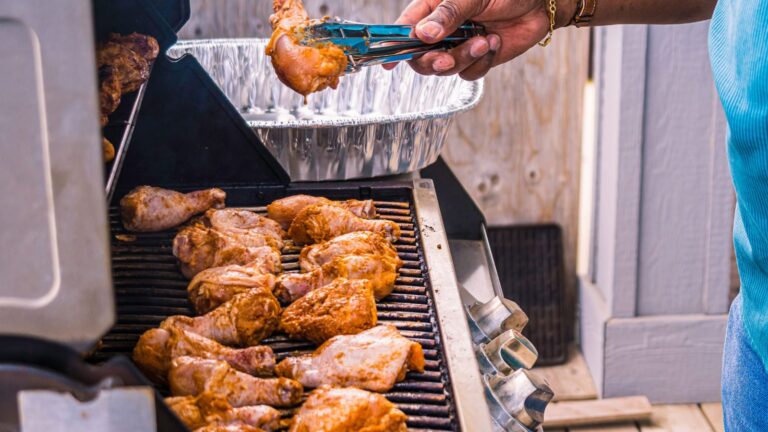
The appeal is easiest to understand with French fries. Fryer fat affects how a potato browns, crisps, and tastes, and tallow adds a beefy note that neutral vegetable oils do not. Steak ’n Shake announced in 2025 that it would use 100% beef tallow for its shoestring fries across its U.S. restaurants, a high-profile move that made the cooking fat part of the chain’s public identity rather than a behind-the-scenes detail.
That change helped turn an ingredient decision into a menu talking point. Restaurant Technologies reported that viral fry reviews, high-profile menu switches and rising consumer attention have moved beef tallow into mainstream restaurant decision-making. Whole Foods Market’s Trends Council also named “Tallow Takeover” its top food trend for 2026, signaling that retailers and brands see the ingredient as more than a fleeting social-media curiosity.
It Is More Than a Fryer Story
The trend has spread beyond fries, even if most diners notice it first in the fryer. Beef tallow can be used for roasting, baking, sauces, and finishing dishes, though its savory profile will not fit every recipe. A neutral plant oil may make more sense for foods where a restaurant doesn’t want a beef-forward flavor, while tallow can be a deliberate choice for potatoes, fried items, and dishes built around rich, meaty notes.
Some chains use it as their primary frying fat, while others blend it or reserve it for select menu items. Steak ’n Shake says it uses 100% beef tallow for fries, onion rings and chicken tenders. Smashburger says it uses beef tallow and canola oil in its fryers, while Portillo’s nutrition information lists a vegetable-oil-and-tallow blend for fries and onion rings. That means diners shouldn’t assume a restaurant’s “tallow fries” label applies to every fried item on its menu.
Outback Steakhouse offers another example of why restaurant kitchens care about the ingredient. The chain’s Bloomin’ Onion is fried in beef tallow, and the company says the appetizer accounts for one out of every four appetizers it sells, more than 8 million annually. The point is not that tallow alone explains a signature menu item’s success; it is that a cooking fat can shape a dish’s familiar texture and flavor, even when diners never see it listed in bold on a menu.
Still, a swap is more complicated than pouring a new product into the fryer. Tallow solidifies as it cools, so it can affect warm-up, filtration, cleaning and end-of-day routines. Restaurant Technologies advises operators to consider whether their equipment, training and oil-management procedures can support it, noting that tallow should be filtered while hot and that some portable equipment is not designed for solid fats. A restaurant may like the flavor, but it must also make the decision work through every busy shift.
There is also a diner-access issue. Because tallow comes from beef, food fried in it is not vegetarian or vegan, even if the item itself is a potato or vegetable. Restaurants that switch a shared fryer to tallow have to think about accurate menu communication, as well as whether customers with dietary preferences or restrictions expect those foods to be cooked in a plant-based oil. That is not an argument against tallow; it is a reminder that ingredient transparency matters when a fryer change affects more than one menu item.
Related:10 Restaurant-Worthy Dishes Chefs Are Bringing Home, and Yes, You Can Actually Make Them
The Health Question Is Not Settled by Hype
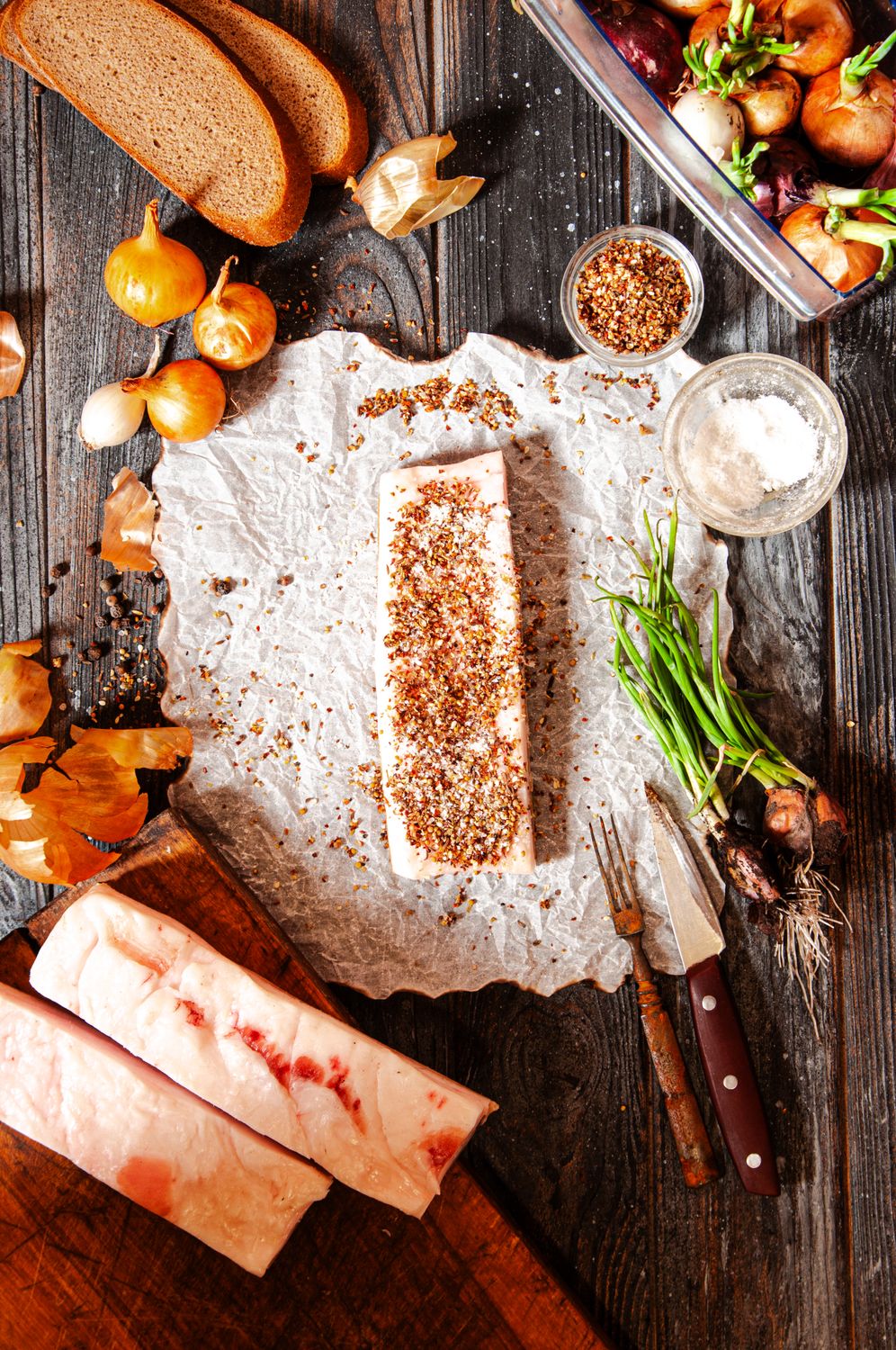
The restaurant case for tallow is mostly culinary and operational: a crispier exterior, richer flavor, and an ingredient story some diners actively seek. That does not make tallow a health food. Harvard Health’s Walter Willett, MD, DrPH, says beef tallow contains more than 50% saturated fat, while seed oils contain more than 80% unsaturated fat. He agrees with a recent review’s conclusion that tallow has adverse effects while plant-based oils have beneficial effects.
Willett explained that unsaturated fats can help the liver remove LDL cholesterol from the blood, whereas saturated fat reduces the number and effectiveness of LDL receptors. The practical concern is not simply the name of an oil; it is what happens when a person regularly replaces unsaturated fats with saturated fats. “Replacing animal fats with plant-based oils, including seed oils, which contain mostly unsaturated fat is linked to a lower risk of heart disease,” Harvard Health reported.
Nutrition scientist Christopher Gardner, director of nutrition studies at Stanford Prevention Research Center, put it even more bluntly in an AARP report: “There’s almost more science on this than anything else.” He was referring to evidence showing that replacing saturated fats with unsaturated plant fats improves cholesterol levels and reduces heart-disease and stroke risk. That does not mean one order of tallow-fried fries determines a person’s health; it means a wider eating pattern matters more than a viral claim about one cooking fat.
Portion and frequency matter because the saturated fat adds up quickly. AARP reports that one tablespoon of beef tallow contains about 6 grams of saturated fat, nearly one-third of the less-than-20-gram daily limit cited for a 2,000-calorie diet. The Dietary Guidelines’ general advice to keep saturated fat below 10% of total calories remains a useful guardrail, particularly for people whose diets already include red meat, cheese, butter, and fried foods.
The most honest way to read the tallow comeback is as a restaurant trend, not a nutrition verdict. It can make sense for a specific fry program or signature dish, and it may give diners a flavor they genuinely prefer. But “traditional” does not automatically mean healthier, and “seed oil-free” does not automatically mean a food is nutritious. As Willett put it, “For added fat, opt for liquid plant oils wherever possible.”
Beef tallow’s return tells us something revealing about dining right now: people want to know how their food is made, and restaurants see an opportunity in showing their work. The question is no longer only whether fries are crispy; it is what made them that way, whether the kitchen can execute the change consistently, and how the ingredient fits into a person’s overall diet. That is a much bigger conversation than a single basket of fries, and it is why restaurants are paying attention.