7 Freezer Meals You Can Make From One Warehouse-Club Run
A warehouse-club trip can leave you staring at a cart full of chicken, cheese, tortillas, vegetables, rice, pasta, and canned goods, wondering how your family will possibly finish everything before it goes bad.
That is exactly where the freezer earns its keep.
Instead of treating those oversized packages as ingredients for one enormous dinner, you can turn the same basic haul into several ready-to-go meals. The trick is choosing ingredients that overlap across recipes, then cooking and freezing them in portions your household will actually use.
One important rule comes first. The U.S. Food and Drug Administration recommends keeping a freezer at 0 degrees F or below. Refrigerate or freeze perishable foods and prepared meals within two hours of cooking or purchasing.
Here are seven freezer meals that can help stretch one warehouse-club shopping trip across several future dinners.
Chicken and Rice Burrito Bowls
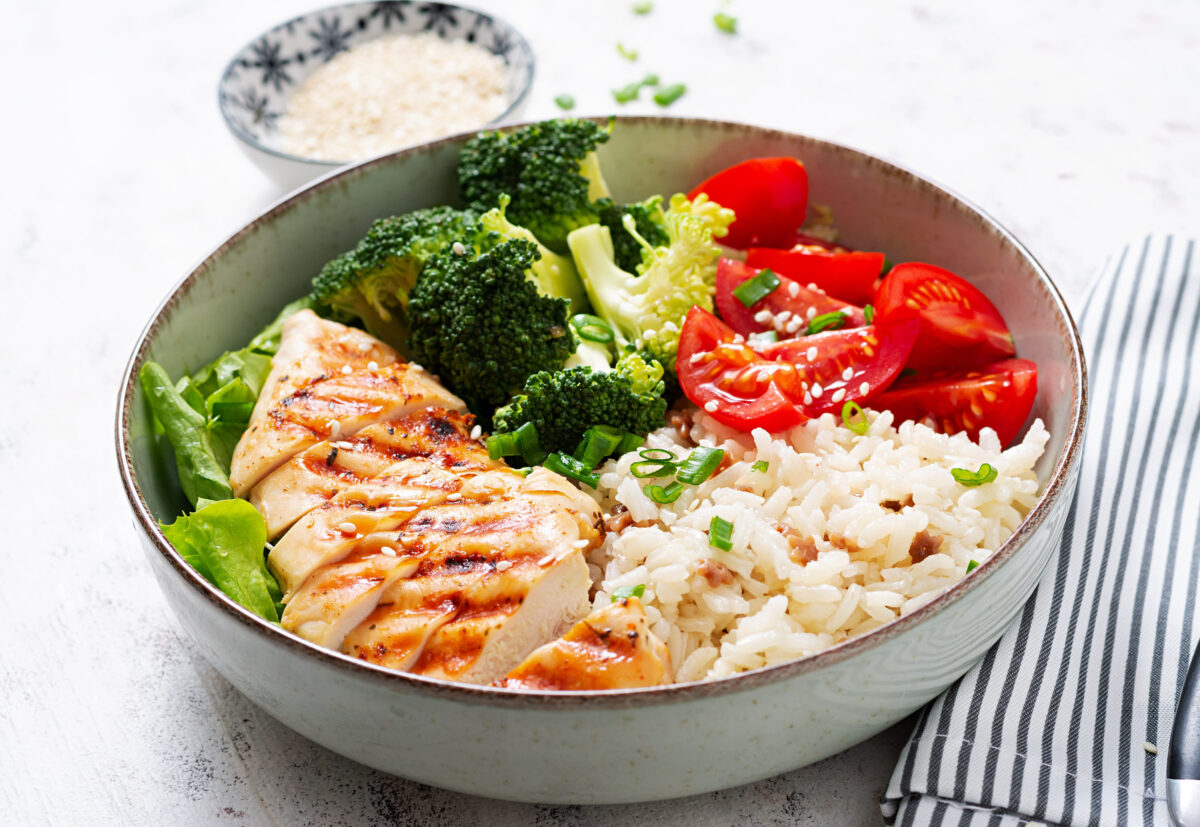
A bulk package of rice, frozen vegetables, canned beans, shredded cheese, and cooked chicken can go a long way.
For simple freezer burrito bowls, divide cooked rice among freezer-safe containers. Add black or pinto beans, corn or another cooked vegetable, shredded chicken, and a small amount of cheese. You can add salsa before freezing, though some people prefer to add it after reheating for a fresher texture.
This is especially useful if you bought a rotisserie chicken and know you will not finish the whole bird quickly.
USDA guidance says to refrigerate cooked rotisserie chicken within two hours of purchase, and you can keep it in the refrigerator for three to four days. You can also freeze it, with the USDA listing about four months as a best-quality guideline for cooked chicken.
Label each bowl before freezing so mystery containers do not start taking over your freezer.
Related: kitchen-storage-tips-and-tricks-to-save-you-time-and-money/
Beef and Bean Chili
Bulk ground beef is one of those warehouse purchases that can feel like a commitment. Chili gives you an easy way to turn part of it into several future meals at once.
Brown the beef thoroughly, then add canned beans, tomatoes, onions, peppers, and the chili seasonings your family normally uses. Let everything simmer until the flavors come together.
Once the chili is cooked, divide it into meal-size containers rather than freezing the entire batch in one giant tub. Smaller portions thaw, reheat, and use more easily.
The USDA recommends cooking ground beef to an internal temperature of 160 degrees F. For freezer quality, its general storage chart lists soups and stews at about two to three months.
A batch can become dinner with cornbread one night, chili over baked potatoes another night, or a quick topping for nachos when cooking feels like too much work.
Chicken Enchiladas
Those warehouse-size packages of tortillas and shredded cheese suddenly look much more reasonable when enchiladas are part of the plan.
Combine shredded cooked chicken with a little cheese and your preferred cooked filling. Roll the mixture inside tortillas, place them in a freezer-safe baking dish, and cover with enchilada sauce.
If you are making several freezer meals in one afternoon, this is a good place to use the second portion of that rotisserie chicken. One bird can contribute to burrito bowls, enchiladas, sandwiches, or soup depending on its size and how much meat you have available.
Freeze the enchiladas tightly covered. For easier weeknight cooking, consider using smaller dishes rather than one very large pan.
When reheating leftovers and combination dishes, USDA guidance calls for an internal temperature of 165 degrees F.
Baked Pasta With Meat Sauce
Pasta is one of the easiest pantry ingredients to pair with bulk meat, cheese, and jarred tomato sauce.
Cook pasta until slightly firm, then combine it with cooked ground beef, tomato sauce, and shredded cheese. Transfer the mixture to freezer-safe dishes and cool it promptly before freezing.
You do not need an elaborate baked-ziti recipe to make this work. Penne, rigatoni, ziti, or another sturdy pasta shape works just as well.
The biggest advantage is portion control. Instead of making one oversized casserole, divide the pasta between two smaller pans. That gives you two future dinners without requiring everyone to eat the same leftovers for several days.
USDA freezer guidance lists casseroles at about two to three months for best quality. Foods kept continuously frozen at 0 degrees F remain safe much longer, but texture and flavor can decline over time.
Chicken and Vegetable Rice Casserole
The same rice, chicken, vegetables, and cheese used elsewhere in your warehouse haul can become an entirely different dinner.
Combine cooked rice with shredded chicken and cooked vegetables such as broccoli, peas, carrots, or a mixed frozen vegetable blend. Add your preferred sauce or casserole binder, then portion the mixture into freezer-safe containers.
This meal is especially useful for clearing out small amounts of ingredients left after making the first few freezer dishes.
That half-bag of broccoli can go here. So can leftover cooked rice or the last handful of shredded cheese.
The goal is not to create seven completely unrelated meals. It is to make the ingredients in your oversized packages work harder.
Homemade Meatballs in Tomato Sauce
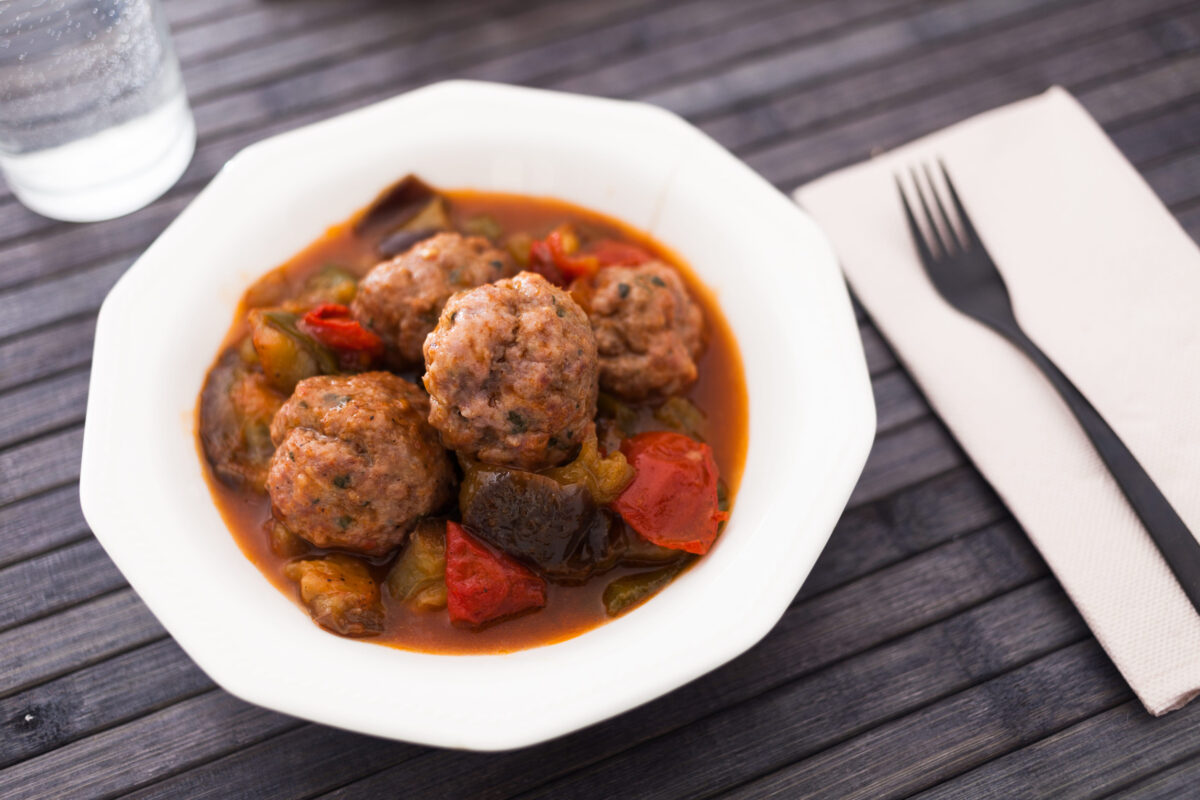
Another portion of bulk ground beef can become meatballs instead of another casserole.
Prepare meatballs using your usual recipe, cook them completely, and freeze them in tomato sauce. Keeping the meatballs in sauce can also make reheating straightforward because the whole container can become the center of a quick meal.
Serve them later with pasta, spoon them into rolls for meatball sandwiches, or pair them with vegetables and potatoes.
If you are using ground beef, remember the USDA’s minimum safe cooking temperature of 160 degrees F. If you make the meatballs with ground poultry instead, cook it to 165 degrees F.
This strategy also works when a warehouse package contains more ground meat than one recipe could reasonably use.
Breakfast Burritos
Not every freezer meal has to be dinner.
A warehouse-size package of eggs, tortillas, cheese, and breakfast meat can become a stack of breakfast burritos for rushed mornings.
Cook the eggs and any raw sausage or other meat completely. Let the ingredients cool before filling the tortillas. Add cheese, fold tightly, and wrap the burritos individually before placing them inside a larger freezer bag or container.
You can also add cooked potatoes, peppers, onions, or beans.
Individual wrapping is the important part. You can remove one burrito instead of thawing an entire batch.
Follow the reheating instructions appropriate for your method and heat previously cooked leftovers thoroughly. USDA guidance recommends reheating leftovers to 165 degrees F.
A Little Freezer Planning Goes a Long Way
The best warehouse-club freezer strategy is not buying as much food as possible. It is buying ingredients that can cross over into several meals.
Chicken can become burrito bowls, enchiladas, and casseroles. Ground beef can become chili, baked pasta, and meatballs. Rice, cheese, tortillas, beans, canned tomatoes, and frozen vegetables can appear repeatedly without making every meal taste identical.
Just make sure you cool and store food properly. USDA recommends placing leftovers in shallow containers for faster cooling, refrigerating or freezing them promptly, and using airtight packaging to help preserve quality.
Add the meal name and freezing date to every container before it disappears into the back of the freezer.
That simple step may be the difference between having dinner ready on a hectic Tuesday and discovering an unidentified frozen block six months later.
Other articles you may like:
– things-professional-organizers-say-everyone-keeps-too-many-of/
– 6-kitchen-storage-habits-that-are-quietly-shrinking-your-small-kitchen/
– places-in-your-home-you-should-never-use-for-storage/