7 Worst Foods to Bring on a Plane
Some foods are perfectly legal to carry onto a flight but are practically guaranteed to make your seatmates wish they had booked another row.
Airplane food etiquette is a strange little corner of travel. You can legally bring many solid foods through security, but that doesn’t mean they are good choices for a cramped cabin. With dozens or hundreds of people sharing recycled air, a meal that smells perfectly normal at home can suddenly become everyone’s problem at 35,000 feet.
The real issue is not simply whether security allows your food. It is smell, mess, noise, spills, and how easily your fellow passengers can escape it.
Tuna Sandwiches
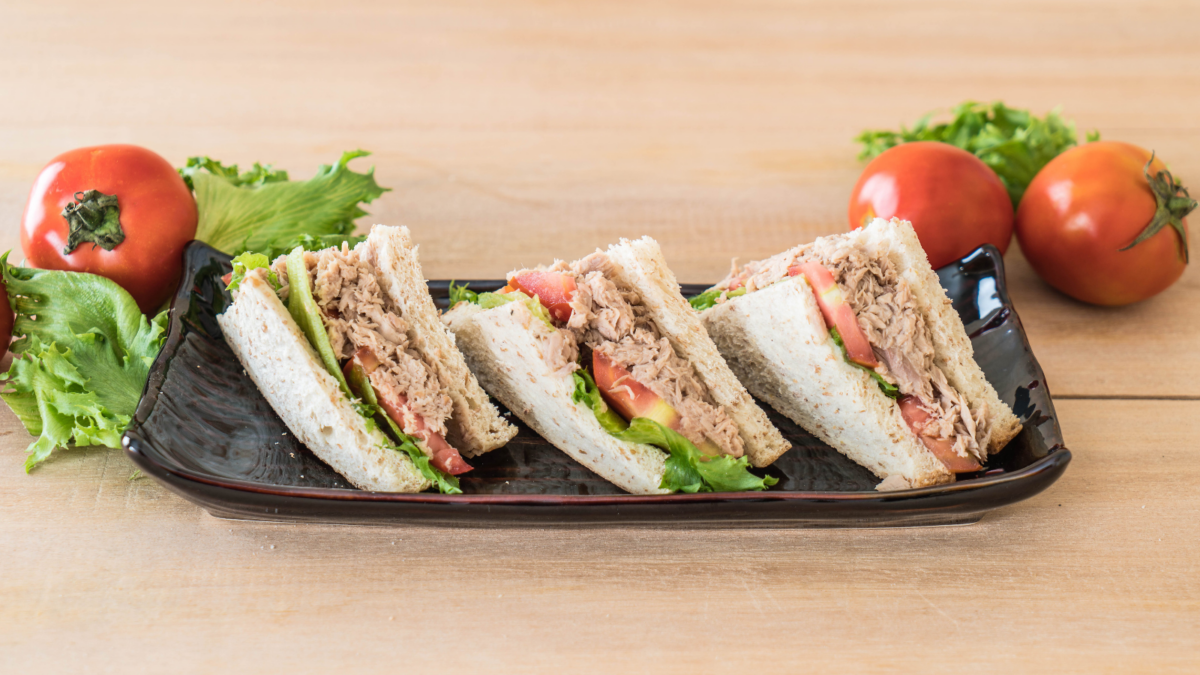
Tuna may be delicious, but opening one on an airplane is a fast way to become the most memorable person in your row.
The tuna debate has become so notorious that tuna sandwiches and airplane food etiquette have even sparked viral arguments among travelers. Tuna, egg salad, and similar foods can release strong odors that linger in a confined cabin long after the sandwich has disappeared.
The problem gets worse when someone opens a can of tuna and starts assembling crackers or sandwiches in their seat. It may be a perfectly reasonable lunch on the ground, but on a packed aircraft, your neighbors have nowhere to go.
Hard-Boiled Eggs
Eggs are nutritious, convenient, and surprisingly powerful at filling a small cabin with their unmistakable aroma.
A couple of peeled eggs tucked into your travel bag might seem like an innocent protein-packed snack. But once you crack them open beside someone who has been trying to sleep for three hours, the situation changes quickly.
Egg salad creates the same problem, particularly when mixed with mayonnaise and served inside a sandwich. Eating them before boarding is probably the friendliest option if you love eggs.
Garlic-Heavy or Extremely Spicy Foods
That fragrant curry or garlic-loaded meal may smell wonderful to you, but your seatmate may not have ordered the same experience.
Garlic, onions, heavily spiced curries, and intensely seasoned foods can spread through a cabin surprisingly quickly. The issue is not that these foods are bad; it is that their aromas become much harder to escape when everyone is sitting shoulder to shoulder.
The same principle applies to foods with strong fermented aromas. What tastes exciting at home can feel overwhelming when the nearest fresh air is several rows away.
Related: 10 Things You Shouldn’t Eat or Drink Before and During a Flight
Soup and Other Saucy Meals
A bowl of soup is comforting at home, but it becomes a high-risk juggling act when your dining table is a tray table.
Liquid and gel foods also deserve extra attention because airport security rules differ from those for solid food. Current guidance explains that solid foods are generally allowed, while many liquid or gel foods over the permitted carry-on limit are restricted.
Even if you get the food through security, another question remains: can you eat it without spilling? Soup, gravy, creamy pasta and heavily sauced dishes can create a mess after one unexpected bump.
Greasy Fast Food
That burger and fries may smell irresistible at the airport, but the aroma can get much stronger once you open the bag inside the cabin.
Hot fried chicken, fish sandwiches, burgers, and heavily seasoned fries combine several airplane-food problems at once: strong smells, greasy fingers, noisy packaging, and crumbs.
A recent etiquette discussion specifically identified hot, fried, and fishy foods as particularly troublesome choices for flights. If you absolutely cannot resist airport fast food, eating it before boarding is usually the better move.
Loud, Crunchy Snacks
Sometimes the problem isn’t what your snack smells like—it’s how loudly everyone can hear you eating it.
Chips, crackers, hard pretzels, and other aggressively crunchy foods can become surprisingly annoying in a quiet cabin. A small bag that sounds harmless in your kitchen can seem much louder when the person beside you is trying to sleep.
There is nothing wrong with bringing snacks, but softer options are often more considerate. A granola bar, soft fruit bar, or individually wrapped treat can satisfy hunger without turning every bite into a sound effect.
Sticky and Crumbly Foods
The worst airplane snack may be the one that leaves evidence everywhere.
Powdered pastries, crumbly cookies, sticky candy and messy sandwiches can quickly migrate from your tray table onto your hands, seat and floor. That becomes especially awkward when you are eating in a narrow seat with nowhere to spread out.
There is also the cleanup problem. Airplane crews have limited time between flights, so leaving crumbs, wrappers, or spilled food behind is not exactly a thoughtful travel habit.
What Should You Bring Instead?
The best airplane food is usually boring in the best possible way: portable, quiet, contained, and unlikely to offend anyone nearby.
Think crackers, fruit bars, sandwiches without strong fillings, dry cereal, nuts (if appropriate for your travel situation), or other compact snacks you can eat neatly. Current travel guidance similarly recommends simple, non-perishable foods and secure containers while avoiding foods that are messy, sticky, or strongly scented.
A good rule is simple: if you would hesitate to open it in a crowded elevator, it probably deserves the same hesitation on an airplane. And if you are preparing for a long journey, a few simple everyday habits can make the entire travel day feel easier.
Ultimately, bringing food onto a plane is not about being forbidden from enjoying a proper meal. It is about remembering that your personal dining room happens to contain dozens of strangers who cannot open a window.
The next time you pack a flight snack, would you choose the food you crave most—or the food your seatmate will barely notice?