Before You Cook Bacon, an Expert Says Never Skip This Surprising Step
The secret to better bacon might be right under your nose. Before turning on the stove, chef Tess Middlebrook recommends a surprisingly simple step: smell the bacon to check for signs of spoilage. The Portland-based chef shared the advice in an October 12, 2026, interview with Simply Recipes, explaining why this small habit deserves attention before you start cooking.
Bacon remains a favorite in American kitchens, with retail sales exceeding $7.1 billion in 2025, according to Circana data reported by MEAT+POULTRY. That represented a 2.8% increase from the previous year. Yet while home cooks often focus on getting perfectly crispy strips, Middlebrook’s advice highlights something more basic: check the bacon before worrying about how to cook it.
The Surprising Step Experts Recommend Before Cooking Bacon
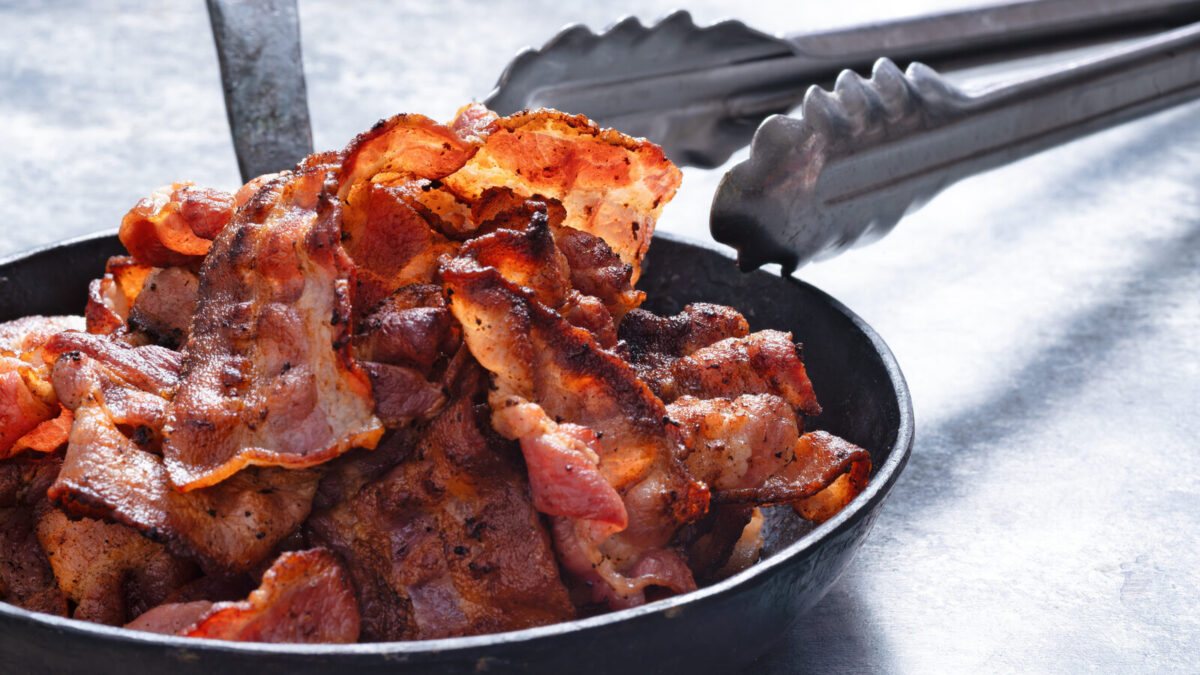
Give Your Bacon a Quick Smell Test
Most people open a package of bacon, separate the slices, and start cooking without a second thought. Middlebrook recommends checking the aroma first because an unusual smell can reveal that the meat is no longer at its best.
Speaking with Simply Recipes, Middlebrook explained, “If it smells of any odor other than fresh meat, I don’t use it.”
The chef developed this habit while working in Michelin-starred restaurants, where checking ingredients before preparing dishes was part of the kitchen routine. She also said other professional chefs she knows use their sense of smell when inspecting meat and other proteins.
It’s an easy habit to bring into an everyday kitchen. However, smelling bacon is only one check, not a guarantee it is safe to cook.
Related: 10 Powerful Cooking Tricks That Instantly Improve Your Meals
What an Unusual Bacon Smell Could Mean
Pay Attention to Sour or Rancid Odors
Fresh bacon should not smell sour or rancid. Middlebrook identifies these unusual smells as reasons to question the meat’s condition rather than prepare it immediately.
The USDA explains that spoilage organisms can noticeably change a food’s odor, appearance, and texture. If meat has developed an unpleasant smell or a slimy, sticky surface, the agency advises against using it.
Don’t Rely on Appearance Alone
Color can offer additional clues, but it doesn’t tell the entire story. According to the USDA, meat may naturally change color without necessarily being spoiled.
The important distinction is whether unusual coloring appears alongside other changes, such as an unpleasant smell or slimy texture. Checking more than one characteristic gives shoppers a fuller picture of the product’s condition.
Why the Smell Test Isn’t Enough on Its Own
A Normal Smell Doesn’t Guarantee Good Bacon
Middlebrook’s advice is useful, but every home cook should understand an important limitation. The USDA explains that certain bacteria do not noticeably change a food’s smell, flavor, or appearance.
That means bacon can smell normal even when it’s been stored improperly. A quick sniff should complement proper handling and refrigeration, not replace them.
Storage Still Matters
The USDA recommends keeping refrigerators at 40°F or below. It also advises keeping raw meat securely wrapped to prevent its juices from reaching other foods. Those recommendations remain important whether bacon comes from a major supermarket, a neighborhood grocery store, or a butcher counter.
How Long Can You Keep Bacon in the Refrigerator?
Remember the One-Week Guideline
According to the federal government’s FoodSafety.gov storage chart, bacon generally has a recommended refrigerator storage period of one week when kept at 40°F or below.
The same chart lists one month as the recommended freezer storage period for maintaining quality. These figures provide a practical reference for households that buy bacon ahead of time rather than cooking the entire package immediately.
Check the Package Before Buying
The USDA recommends checking bacon before purchase and looking for an expiration date printed on the packaging. Also avoid damaged or leaking meat packages. Taking a moment to inspect the product at the grocery store is another useful step before the bacon ever reaches your kitchen.
Related: 7 Foods You Should Never Store in the Fridge Door, According to Food Safety Experts
Bacon Choices Are Expanding Across American Grocery Stores
Shoppers Have More Flavors to Explore
Bacon remains a major retail category, and manufacturers continue introducing different flavors and varieties. A March 2026 MEAT+POULTRY report found that the typical grocery store carried 32 bacon product varieties, citing retail analyst Anne-Marie Roerink of 210 Analytics.
Roerink described bacon as “one of the most innovative categories in the meat department.” Recent introductions include pumpkin spice and hot honey varieties, showing that brands continue experimenting beyond traditional flavors.
The Demand Remains Strong
A September 2026 report from The National Provisioner found that about 73% of American households buy bacon for home use each year, according to a bacon brand executive.
The report also cited Circana data showing about $7 billion in bacon retail sales between June 2025 and June 2026. These figures help explain why a simple preparation tip matters to so many American households.
Once You’ve Checked the Bacon, Cooking Technique Matters
Start With a Cold Skillet
After inspecting the bacon, the next consideration is cooking it properly. Food Network Kitchen recommends laying strips in a cold skillet without overlapping.
This method lets the fat render gradually as the pan warms. Food Network suggests cooking over medium heat, turning the bacon as needed, for about 8 to 12 minutes.
Consider the Oven for Larger Batches
Cooking for several people? Food Network also recommends baking in the oven when preparing larger quantities.
Its method calls for arranging bacon on a foil- or parchment-lined rimmed baking sheet, placing the sheet in a cold oven, and heating to 400°F. The suggested cooking time is 25 to 35 minutes, depending on how crisp you want it.
These techniques focus on texture and browning, while Middlebrook’s smell check focuses on the ingredient before cooking.
What Home Cooks Should Do Before Their Next Bacon Breakfast
Make Checking Bacon Part of Your Routine
Middlebrook’s recommendation requires no special equipment or complicated preparation. Simply check the bacon’s smell when opening the package and pay attention to any unusual changes before proceeding.
If the bacon has a clearly unpleasant odor or other signs of spoilage, don’t try to fix it with cooking. If it looks normal, follow the recommended storage and preparation practices rather than assuming appearance alone proves its condition.
Keep the Process Simple
You don’t need an elaborate cooking method to follow the expert’s advice. Check the package, note the storage time, inspect the bacon, and choose a cooking method that suits your meal.
Next time bacon is on the breakfast menu, remember that a good cooking routine starts before the skillet gets hot.
The bottom line: A quick smell check is worth adding to your bacon routine, but proper storage and handling matter just as much as the aroma.