7 Kitchen Items People May Forget to Clean as Often as They Should
Kitchen cleaning usually starts with the obvious spots: countertops, dishes, stovetops, and sinks. But smaller parts of everyday kitchen tools can be easier to overlook, especially when they do not look dirty at first glance.
Blender seals, container lids, and the spaces inside knife blocks are just a few examples. Giving these areas some attention can help keep kitchen equipment in good condition.
Here are seven items worth adding to your regular cleaning routine, along with tips for caring for different designs.
Blender Gaskets and Seals
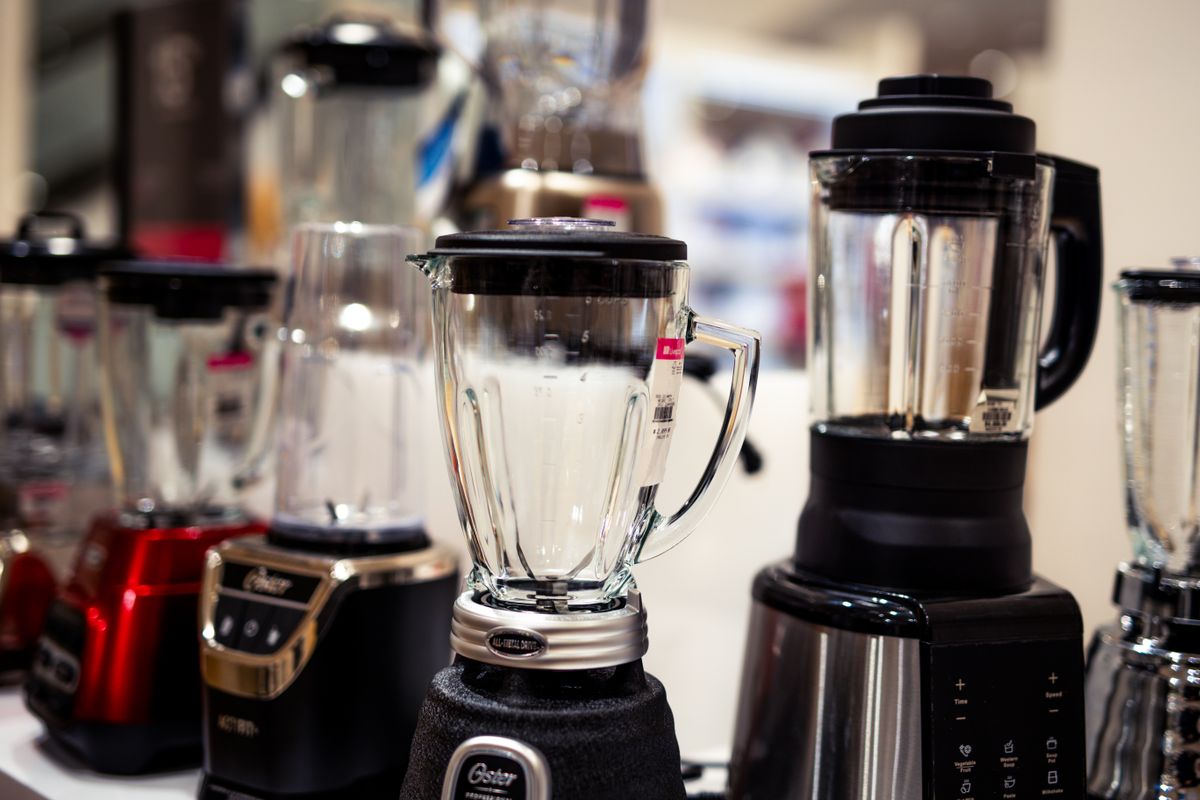
Washing your blender jar after making a smoothie or sauce is a good start, but the jar may not be the only part that needs attention. Some blenders have gaskets or seals around the blade assembly where small amounts of liquid and food residue can collect.
A 2013 NSF household study detected microorganisms on blender gaskets in the homes it examined. NSF’s kitchen-cleaning guidance recommends cleaning blender components after use, including the jar, lid, blade assembly, and gasket, as applicable.
Before taking anything apart, check your blender’s owner’s manual. Remove only components designed to be removed by the user, and clean and dry them according to the manufacturer’s instructions. Some Vitamix models can be cleaned by blending warm water with a few drops of dish soap. That method is not necessarily suitable for every blender.
Can Openers
A manual can opener may look clean after a quick rinse, but its cutting mechanism deserves a closer look. Food residue can remain around the cutting wheel and other parts that come into contact with the can’s lid or contents.
NSF specifically recommends removing food residue around can-opener cutting blades. After use, wash a hand-washable model with hot, soapy water, taking care to clean the cutting area without injuring your fingers. Rinse it thoroughly and let it air-dry before putting it away.
Do not assume every can opener belongs in the dishwasher. For example, the product listing for the OXO SoftWorks Soft-Handled Can Opener specifies hand washing. Electric models may have different cleaning requirements, so consult the instructions for your particular appliance before cleaning it.
Related: 8 Kitchen Items to Declutter Today Before They Take Over Your Home
Rubber and Silicone Spatulas
Spatulas are used for everything from scrambling eggs to scraping cake batter from mixing bowls. Their broad heads may be easy to wash, but the junction between the head and handle can deserve extra attention, particularly on utensils with detachable heads.
NSF distinguishes between one-piece and two-piece spatula designs. If your spatula has a removable head, separate it only if the manufacturer designed it to come apart.
Wash the permitted components individually, paying attention to the connection area. For a one-piece utensil, clean the neck and the junction between the head and handle as thoroughly as the rest of the surface.
Dishwasher instructions vary, too. OXO identifies its three-piece silicone spatula set as dishwasher-safe, but that approval should not be applied automatically to other silicone or rubber utensils. Check the care instructions for yours.
Food Storage Container Seals
Washing a food storage container’s interior is only part of cleaning the whole container. Lids, grooves, and seals also need attention, especially when sauces, crumbs, or other food residue reach the edges.
NSF identifies food-container lids, seals, and grooves as areas that deserve cleaning attention. When washing reusable containers, inspect the lid’s underside and any grooves where residue might remain. If a seal is removable, take it out only when the manufacturer’s instructions explain how to do so safely.
OXO’s POP container cleaning instructions illustrate why checking the specific product matters. Depending on the applicable design, the instructions distinguish between silicone gaskets that can go in the dishwasher and other lid components that should be hand-washed. The parts must be dried and reassembled as directed.
Not every container has the same construction or dishwasher rating. Follow the instructions for your own containers rather than applying one product’s cleaning method to every lid.
Refrigerator Crisper Drawers
Removing wilted lettuce and wiping up a spilled container can make a refrigerator look tidier, but the crisper drawer itself needs cleaning, too. Produce drawers are removable in many refrigerators, making them easier to clean when the manufacturer permits removal.
NSF recommends monthly cleaning of refrigerator vegetable compartments. When cleaning yours, follow the refrigerator’s instructions for removing the drawer and any accessible components beneath it. Use an appropriate cleaning method, then rinse and dry the parts as directed before returning them to the refrigerator.
Temperature matters when handling removable refrigerator components. LG’s refrigerator care and maintenance tips advise allowing cold shelves and bins to reach room temperature before cleaning because sudden exposure to warm or hot water can cause thermal shock. Its guidance recommends a soft sponge or cloth and mild detergent, followed by rinsing and drying. LG also warns against putting its shelves and drawers in the dishwasher because they may warp or deform.
Check your refrigerator’s manual for the right approach and frequency.
Related: 7 Kitchen Items You Should Get Rid Of
Range Hood Filters
Wiping the outside of a range hood can improve its appearance, but it does not necessarily clean the filter that collects cooking grease. The filter type matters because different designs require different maintenance.
Whirlpool’s range hood maintenance guide distinguishes washable metal grease filters from charcoal filters used in certain nonvented configurations. Metal grease filters may be hand-washed or placed in the dishwasher when the appliance’s instructions permit it. After washing, rinse and dry them thoroughly before reinstalling.
Charcoal filters covered by Whirlpool’s guidance require replacement rather than washing. Whirlpool suggests cleaning metal filters monthly for daily hood use and every three months for infrequent cooking. It also recommends replacing the relevant charcoal filters every six months under normal use. These are Whirlpool’s guidelines, not universal schedules for every range hood.
Turn off the hood and allow it to cool before maintenance. Consult your owner’s manual to identify the filter and confirm the correct cleaning or replacement procedure.
Knife Blocks
Knives often get attention after meal preparation, but the block that stores them can be overlooked. Crumbs and other debris may collect inside the slots, particularly when knives are returned before all food residue has been removed.
NSF advises removing knives and lightly shaking debris from knife blocks. However, the appropriate cleaning method depends on the block’s material and design. Follow the manufacturer’s instructions before brushing inside the slots, using cleaning products, or attempting any deeper cleaning.
For example, ZWILLING’s instructions for its particular self-sharpening knife block call for cleaning the exterior with a soft cloth moistened with water. They also warn against allowing cleaning agents or cleaning utensils into the slots. That guidance should not be applied automatically to ordinary wooden blocks or other designs.
Whatever type you own, clean knives according to their care instructions and allow them to dry completely before returning them to the block. Avoid soaking or sanitizing the block unless its manufacturer explicitly permits the method.
A thorough kitchen-cleaning routine involves more than the surfaces you can see at a glance.
Seals, cutting mechanisms, removable drawers, and storage slots may need their own cleaning steps. The key is to inspect these areas regularly and follow the manufacturer’s care instructions for the products you own.
Which of these seven items do you tend to overlook, or is there another kitchen item you would add to the list? Share your thoughts in the comments.