Nobody Takes This Breakfast Meat Seriously Until They Actually Cook It Right
Scrapple has a reputation problem. Someone sees the humble pork-and-cornmeal loaf, cooks it too quickly, ends up with a soft slice that breaks apart in the pan, and decides they never needed to try it again.
But scrapple is one of those foods where the cooking technique makes a big difference. Give it a properly browned crust and a warm, tender center, and this traditional Mid-Atlantic breakfast meat can be a completely different experience.
Scrapple Starts With the Right Slice
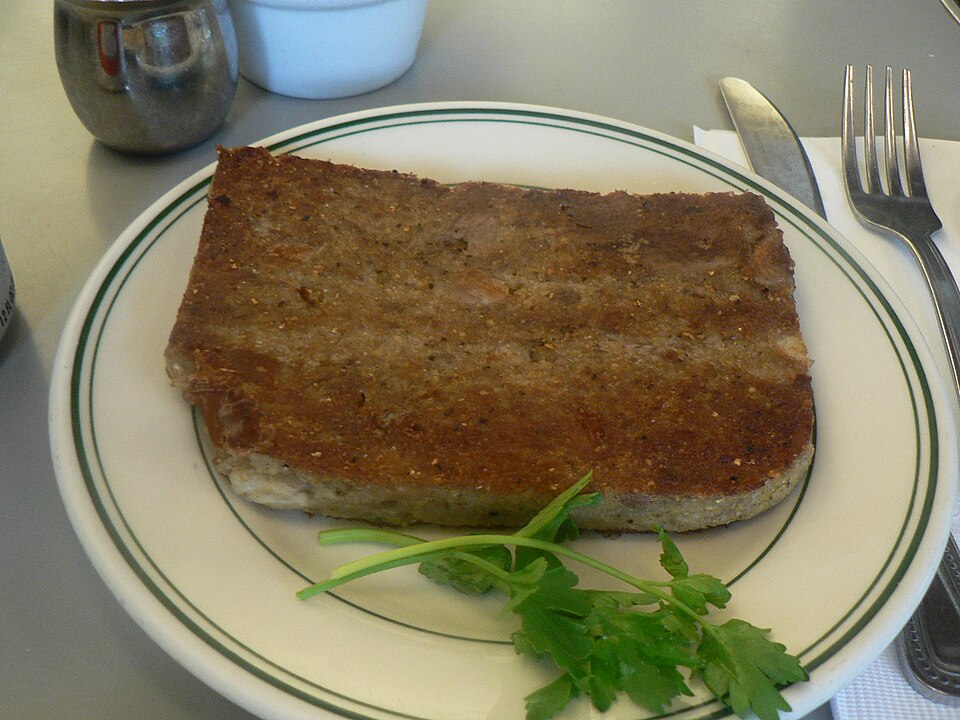
Scrapple is made with pork, cornmeal, and seasonings, then formed into a loaf, chilled, sliced, and fried. That chilled loaf is important because it gives you a firm starting point when you are ready to cut it.
For a good pan-fried slice, cut the scrapple evenly, around one-quarter to one-half inch thick. Very thin slices can become fragile, while a thicker slice gives you enough interior to stay tender as the outside develops its crust.
Related: 9 Indulgent Dishes Every Meat Eater Should Try
A Cold Loaf Is Easier to Handle
Chilling the scrapple well before slicing helps the pieces hold together in the skillet. If the slices are already soft before they hit the pan, turning them into a deeply browned breakfast side becomes much harder.
This is one of the simplest steps, but it can make the rest of the process easier. Start with slices that are firm enough to handle without falling apart.
The Pan Needs to Be Hot
A skillet over medium to medium-high heat gives the scrapple a better chance to brown instead of simply warming through. Add a thin layer of oil or fat, then place the slices in the pan without crowding them.
Crowding matters because it can lower the temperature of the pan and encourage steaming instead of browning. Scrapple needs steady contact with the hot cooking surface to build the crisp exterior that makes the texture work.
Leave It Alone Long Enough to Brown
This is where patience pays off. Put the slices in the skillet and resist the temptation to keep moving them around.
Let the first side cook until it is deeply browned and releases easily from the pan. Turning the slices too early can cause them to tear or crumble before the crust has formed.
Once the first side is properly browned, flip each piece once and let the other side develop its own crisp, browned surface. The goal is not to repeatedly turn the scrapple, but to give both sides enough time to cook properly.
The Crisp Outside Is the Whole Point
Properly cooked scrapple should have a browned, crisp exterior while remaining tender inside. That contrast is what separates a carefully fried slice from one that is pale and soft.
Starting with a cold pan can make the scrapple soft before it has a chance to brown. Cutting it too thin, turning it too soon, or crowding the skillet can also work against the texture you are trying to create.
Scrapple is not something to rush through like bacon. It needs surface contact, steady heat, and enough time for the crust to develop.
Commercial Scrapple Needs Its Own Directions
Not every package of scrapple is exactly the same. Commercial products can vary by brand, so package directions should take priority over general cooking advice.
Some packaged scrapple products may already be fully cooked and only need browning or reheating. Homemade scrapple and raw pork mixtures are different, so they require different handling.
When working with homemade scrapple or a raw pork mixture, USDA guidance says ground pork and raw pork sausage should reach 160 degrees Fahrenheit.
Scrapple Works With More Than Eggs
Once the slices are crisp, scrapple fits naturally into a traditional breakfast plate with eggs, toast, and breakfast potatoes. For someone trying it for the first time, those familiar breakfast foods can make the meal feel straightforward rather than unfamiliar.
The crisp slices can also go into an egg-and-cheese breakfast sandwich. The contrast between the browned outside and tender center gives the sandwich a different texture without requiring a complicated preparation.
For a sweet-and-savory combination, scrapple can be paired with apple butter, applesauce, jam, or maple syrup. The sweet topping brings a different direction to the savory meat.
Leftover Scrapple Has Another Use
If you have crisp slices left over, they do not have to remain whole. Dice them and add them to a breakfast hash with potatoes and onions.
That gives the browned pieces another way to fit into a breakfast meal. The key is still the same: get the scrapple crisp first so the pieces bring that browned texture to the dish.
The Better Way to Judge Scrapple
Scrapple is easy to misunderstand when it is pale, fragile, or rushed in the skillet. The better approach is to start with a well-chilled loaf, cut even slices, and give each piece enough room and time to brown.
Follow the package directions when using a commercial product, and remember that homemade or raw pork mixtures require different handling. Then serve the finished slices immediately, while the outside is still crisp and the center is warm and tender.
That first properly browned bite may be enough to make this old-fashioned breakfast meat seem a lot less mysterious.