8 Ways to Actually Cut Sugar Out of Your Diet Without Giving Up Everything You Love
Sugar shows up in foods you might not expect. It is easy to spot in candy, cookies, cakes, and soft drinks, but it can also appear in breakfast cereals, flavored yogurt, bottled sauces, and packaged snacks.
For people trying to improve their eating habits, figuring out where sugar comes from can feel overwhelming. One day, you might skip dessert, only to discover your usual breakfast or afternoon drink also contains added sugar.
The good news is that reducing sugar does not mean giving up every sweet food or making your meals bland. A more practical approach is to identify the biggest sources of added sugar, make manageable substitutions, and build habits that are easier to maintain over time.
It is also important to distinguish added sugars from naturally occurring sugars. Whole fruits contain natural sugars alongside fiber, vitamins, and minerals, while plain milk contains naturally occurring lactose. You don’t need to eliminate these foods simply because they taste sweet.
If your goal is to reduce added sugar, here are eight realistic ways to get started without turning every meal into a struggle.
Start With What You Drink
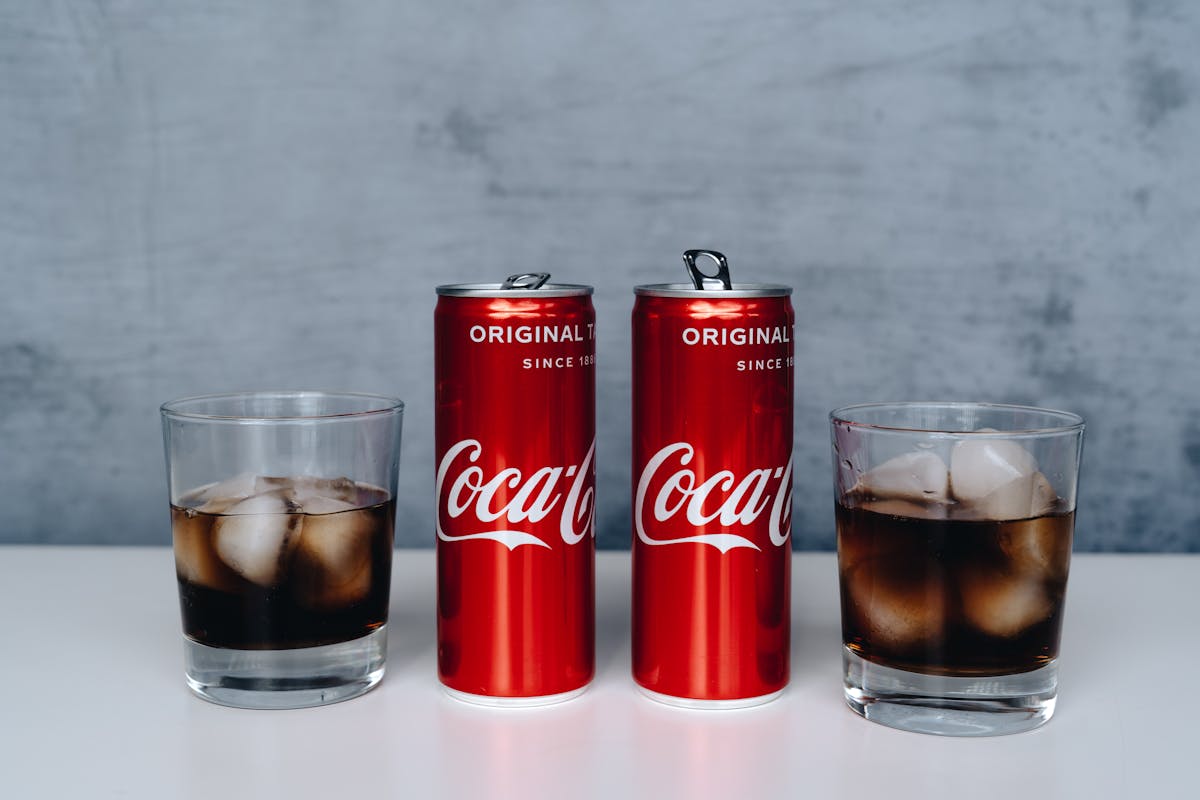
One of the simplest ways to reduce added sugar is to look at what you drink throughout the day.
Regular soda, sweetened iced tea, energy drinks, flavored coffees, and some fruit drinks can contribute substantial amounts of added sugar. Because liquids are often consumed quickly, it can be easy to overlook how much sugar they provide.
For example, a 12-ounce can of regular soda typically contains around 39 grams of sugar, although the exact amount varies by product. That is roughly 10 teaspoons of sugar in a single drink.
You do not have to replace every favorite beverage overnight. Start by swapping one sugary drink a day for water, sparkling water, or unsweetened tea.
If you enjoy flavored drinks, try adding lemon slices, mint, cucumber, or berries to water. Coffee drinkers can gradually reduce the sugar in their usual cup.
The key is choosing alternatives you genuinely enjoy. Replacing a sweet drink with something satisfying makes the habit easier to maintain.
Read Food Labels Before Buying Packaged Foods
Sugar isn’t always obvious on a package’s front.
Products marketed as wholesome, natural, or breakfast-friendly can still contain significant amounts of added sugar. Reading nutrition labels can help you make more informed decisions without relying entirely on advertising claims.
Look for the line labeled “Added Sugars” on nutrition labels that include it. Compare similar products, such as breakfast cereals, granola bars, yogurt, and packaged snacks.
Ingredient lists are useful, too. Added sugars may appear under names such as cane sugar, glucose, fructose, dextrose, corn syrup, honey, or fruit juice concentrate.
Ingredients are generally listed in descending order by weight, so a sweetener near the beginning of the list may indicate that it makes up a substantial portion of the product.
You do not need to memorize every possible name for sugar. Simply comparing labels when buying familiar foods can reveal options with less added sugar.
For instance, if two breakfast cereals provide similar amounts of fiber but one contains considerably less added sugar, the lower-sugar option may be a sensible choice.
Related Post:Sugar Detox Without Deprivation: 10 Realistic Ways to Cut Added Sugar and Still Enjoy Food
Choose Plain Yogurt Instead of Heavily Sweetened Varieties
Yogurt can be a useful source of protein and calcium, but some flavored varieties contain considerable amounts of added sugar.
Fruit-flavored yogurt, dessert-style yogurt, and products with sweetened toppings can taste more like pudding than a simple dairy food.
One easy alternative is plain yogurt. Add fresh strawberries, bananas, blueberries, or other fruit for natural sweetness and extra nutrients.
If you prefer a sweeter taste, try adding cinnamon or a small amount of honey. Remember, however, that honey still counts as added sugar when used as a sweetener.
You can also compare labels before choosing a flavored yogurt. Some products have less added sugar than others, and amounts can vary significantly between brands.
For people who avoid dairy, unsweetened fortified soy yogurt may provide a useful alternative, although its protein and nutrient content depends on the product.
The goal is not to eliminate yogurt or other foods you enjoy. It is to find versions that suit your preferences while reducing unnecessary added sugar.
Make Breakfast More Filling
Breakfast can be a key opportunity to build a balanced eating pattern, but many convenient morning foods contain added sugar.
Common examples include sweetened cereals, pastries, muffins, breakfast biscuits, and flavored instant oatmeal. Eating these foods occasionally is not necessarily a problem, but relying on them every morning can make added sugar a regular part of your diet.
Try building breakfast around a combination of fiber, protein, and other nutrients.
Oatmeal prepared with milk or an unsweetened fortified alternative can be topped with fruit, nuts, or seeds. Eggs with whole-grain toast offer another option, while plain yogurt with oats and berries makes a convenient meal.
You can still enjoy pancakes, waffles, or sweet breakfast foods. Serve them with fresh fruit and choose toppings thoughtfully rather than automatically adding large amounts of syrup.
A more substantial breakfast may also help some people feel satisfied longer, though hunger patterns vary.
The important thing is to create meals that meet your needs instead of assuming breakfast must be sweet to be enjoyable.
Rethink Your Desserts Instead of Banning Them
Completely forbidding yourself from eating desserts can make reducing sugar feel unnecessarily restrictive.
Food preferences are personal, and an otherwise balanced eating pattern can still include occasional treats. The aim is to reduce excessive added sugar, not to treat every sweet food as something forbidden.
If you regularly eat a large dessert after dinner, consider alternatives that still feel enjoyable.
Fresh fruit with plain yogurt, baked apples with cinnamon, or frozen banana blended into a creamy mixture can satisfy a desire for something sweet. These options offer different nutrients and textures than many traditional desserts.
You can also enjoy a smaller portion of your favorite cake, ice cream, or chocolate when you want it.
Another helpful approach is to notice whether you genuinely want dessert or are simply following a routine. Sometimes, a cup of tea, a piece of fruit, or another enjoyable activity may be enough.
There is no need to make every dessert a low-sugar substitute. Keeping treats in perspective can make long-term changes feel more realistic.
Watch Out for Sugar in Sauces and Condiments
Many people focus on obvious sweets while overlooking the sugar in savory foods.
Barbecue sauce, ketchup, sweet chili sauce, salad dressings, marinades, and some pasta sauces may contain added sweeteners. Amounts vary by product and serving size.
You do not have to stop using these condiments. Instead, compare labels and look for options with less added sugar.
You can also prepare simple sauces at home. Olive oil, lemon juice, garlic, herbs, and spices can create a flavorful salad dressing without requiring added sugar.
For pasta, try combining canned tomatoes with onions, garlic, basil, and other seasonings. If you enjoy barbecue sauce, try recipes that use less sweetener.
Portion size matters, too. A small amount of sweet sauce may fit comfortably into your diet, while generous servings can add more sugar than you expect.
These small adjustments are especially useful because they don’t require changing the entire meal. Sometimes, modifying a condiment is easier than replacing a favorite dish.
Keep Convenient Snacks Within Reach
When hunger strikes between meals, convenience often determines what people eat.
If the easiest options available are candy, cookies, or sugary snack bars, those foods may become regular choices. Planning can add variety without requiring elaborate meal prep.
Keep fruit, unsalted nuts, roasted chickpeas, whole-grain crackers, or plain yogurt on hand for snacks.
For a more substantial option, try whole-grain toast with peanut butter or vegetables served with hummus. Check labels on packaged products, since some nut butters, granola bars, and flavored snacks contain added sugar.
Remember that not every snack needs to be sugar-free. Planning makes balanced choices convenient, not a rigid set of food rules.
If you enjoy chocolate or another sweet snack, you can include it occasionally while keeping other options available.
Preparing a few snacks in advance can be especially helpful during busy workdays, school schedules, or long journeys when food choices may be limited.
Reduce Sugar Gradually and Set Realistic Goals
Trying to change everything at once can make a new eating routine difficult to sustain.
For example, if you regularly add several teaspoons of sugar to coffee or tea, you could gradually reduce the amount over a few weeks. Your taste preferences may adjust as you become accustomed to less sweetness.
The same principle applies to breakfast cereals, desserts, and other foods you eat regularly.
Start by identifying one or two major sources of added sugar in your routine. Make a manageable change, stick with it, and then decide whether you are ready to make another adjustment.
It can also help to set a specific goal. Instead of promising to eliminate all sugar, you might decide to replace your daily sweetened drink with water or choose unsweetened yogurt for breakfast several times a week.
The American Heart Association recommends limiting added sugars to no more than 25 grams daily for most women and 36 grams daily for most men. These are general recommendations, not personalized requirements, and individual needs can vary.
The World Health Organization recommends keeping free sugars below 10% of total daily energy intake, with a further reduction to below 5% suggested for additional health benefits. Free sugars include added sugars and sugars naturally present in honey, syrups, fruit juices, and fruit juice concentrates.
Posts You Might Like:
8 Drinks That Help You Control Sugar Cravings