Subway Customers Say Their Footlongs Are Getting Skinnier
Something looks different about Subway’s famous footlong sandwiches, and customers are noticing. Complaints shared on Reddit between 2024 and 2026 describe narrower bread, thinner-looking sandwiches, and disappointment over portion sizes. However, customers’ experiences have not established that Subway has officially reduced its sandwich dimensions nationwide.
The debate comes as Americans continue paying more to eat out. According to the U.S. Bureau of Labor Statistics, restaurant food prices rose 3.5% in the 12 months ending September 2026, making the amount of food customers receive an increasingly important part of the value conversation.
Customers are questioning the size of Subway’s bread
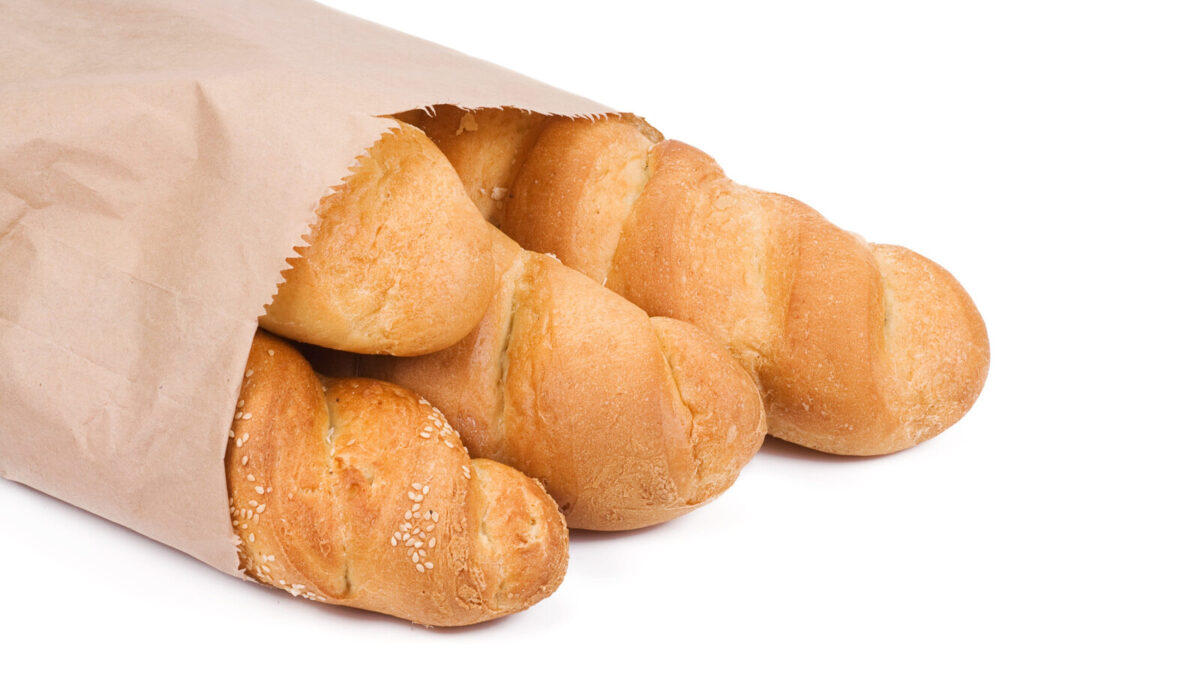
The biggest complaint isn’t necessarily about length. In July 2025, a Reddit user shared a picture of a particularly thin-looking Subway footlong and asked whether others had noticed smaller sandwiches. Several commenters agreed, describing bread that looked noticeably narrower than they remembered.
One frustrated customer described their sandwich as “super skinny,” while another compared the bread to a flatbread. These reactions highlighted something customers don’t always measure when buying a footlong: the loaf’s width.
Complaints about thinner sandwiches aren’t new
The conversation started well before 2026. A March 2024 Reddit discussion questioned whether Subway had narrowed its bread, with commenters discussing how the familiar sandwich seemed different from previous visits. Another April 2024 discussion raised similar concerns about bread width and toppings.
Complaints continued into 2025, suggesting customer dissatisfaction wasn’t limited to one viral photograph. Still, personal observations can’t show whether, and by how much, Subway’s official bread dimensions have changed.
A customer shared Subway’s response to the complaints
Subway’s bread standards became a central question in March 2026. A Reddit user said they contacted the company after receiving a six-inch sandwich that looked unusually narrow. The customer shared what they described as a reply from Subway customer service.
According to the posted response, Subway introduced an updated bread-preparation process but did not change its bread-size standards. The message said, “Our bread size standards, however, have not changed.” That response was shared by the customer and has not been independently authenticated as an official company statement.
Bread preparation may explain some differences
Not every small-looking sandwich necessarily indicates a smaller official portion. In the March 2026 Reddit discussion, commenters identifying themselves as Subway employees pointed to bread proofing, the process that allows dough to rise before baking. Several suggested that inadequate proofing could produce a narrower loaf.
Others described differences in preparation equipment and timing between restaurants. These accounts may explain inconsistent bread appearance, but they do not prove what happened to any particular customer’s sandwich.
Is this really shrinkflation?
Shrinkflation has a more specific meaning than a product simply looking smaller. The U.S. Government Accountability Office defines the practice as reducing a product’s quantity without a corresponding reduction in price. That means establishing shrinkflation requires reliable evidence that the quantity has changed.
Bureau of Labor Statistics economist Kari McNair explained in a 2023 analysis that downsizing can increase what consumers pay per unit, even if the checkout price stays the same. The distinction matters because complaints and photographs alone can’t show a consistent reduction in Subway’s bread or filling quantities.
Americans are increasingly alert to smaller portions
Subway’s complaints reflect a broader concern about getting value for money. A YouGov survey of 1,000 American adults conducted in March 2024 found that 82% were concerned about shrinkflation. Of those surveyed, 43% were strongly concerned, while another 39% were somewhat concerned.
Research also suggests that size changes can be less noticeable than price increases. A study published in Marketing Science found that consumers generally respond more strongly to prices than to changes in product size.
Related: 7 Restaurant Chains Americans Love the Most
Rising restaurant prices are adding to the frustration
Eating out has become more expensive across the United States. The September 2026 Consumer Price Index showed that prices for limited-service meals, a category that includes fast-food purchases, increased 3.2% over the previous year. Prices for full-service restaurant meals rose 3.8% during the same period.
These figures do not establish that Subway specifically reduced portions or raised prices by those percentages. They do explain the wider pricing environment in which customers are examining their restaurant purchases more closely.
Subway is promoting more affordable menu options
The sandwich chain has introduced new value-focused offers. On April 28, 2026, Subway announced its Fresh Value Menu, featuring 15 entrées priced below $5 at participating restaurants. The lineup includes $3.99 six-inch Deli Faves and a rotating $4.99 six-inch Sub of the Day.
Subway’s North America chief marketing officer, Dave Skena, described the initiative as a way for customers to find affordable meals without sacrificing choice. The company also said prices are higher in California, Washington, Alaska, and Hawaii, and that taxes and add-ons may increase the final bill.
Why this matters at your neighborhood Subway
Your local restaurant is where the value question becomes personal. Subway says its restaurants are independently owned and operated by franchisees, with pricing and promotional participation varying by location. Customers should check the offers available at their store instead of assuming every advertised deal applies everywhere.
Subway directs customers to its website and mobile app to review participating locations, menu choices, and current pricing. That gives diners a practical way to check their options before purchasing a sandwich.
What customers can do next
Focus on the actual sandwich, not just the advertised length. Customers concerned about an unusually narrow loaf can raise the issue directly with their local restaurant or contact Subway through its customer service channels. Keeping a receipt and photographs may also help explain a specific complaint.
For a more meaningful size comparison, customers would need consistent measurements of comparable sandwiches rather than relying solely on memory. Until stronger evidence emerges, the reports remain customer complaints rather than confirmation of a nationwide shrinkflation policy.
The bottom line: Subway’s footlong controversy isn’t just about inches. It’s about whether customers still feel they’re getting a fair amount of sandwich for their money.