8 Things Likely To Vanish With Baby Boomers
Once, a ringing telephone brought the whole family running, Sunday newspapers covered the kitchen table, and nobody thought twice about visiting a neighbor without calling first. These everyday moments helped define American life for decades, but many are quietly slipping into the past.
Baby Boomers, born between 1946 and 1964, grew up in a world shaped by patience, face-to-face conversations, and traditional routines. As technology and lifestyles continue to evolve, some of the customs they helped preserve are becoming less common.
Not everything will disappear, of course, but these eight things may eventually become little more than nostalgic memories.
Reading a Physical Newspaper Every Morning
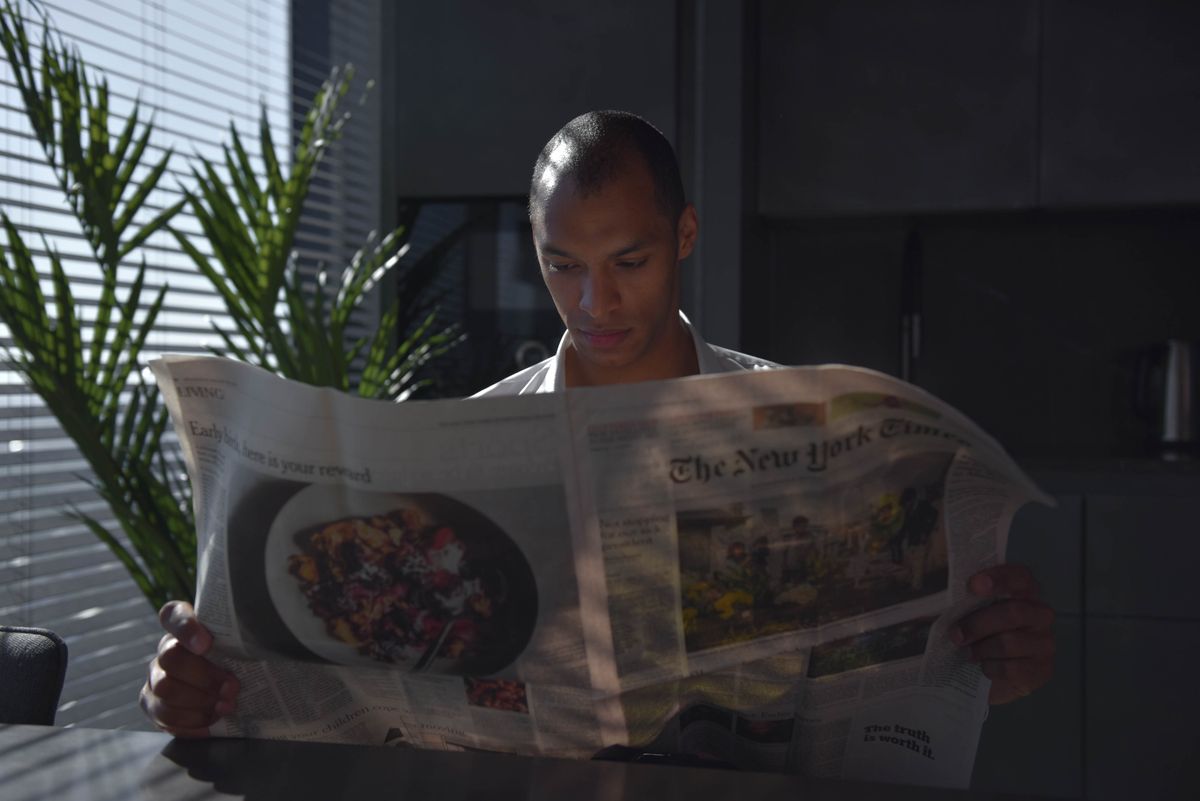
For many Baby Boomers, mornings once started with coffee, breakfast, and the satisfying rustle of newspaper pages. Reading the headlines wasn’t simply about staying informed. It was a familiar ritual that helped people ease into the day.
Some readers went straight to the sports section, while others searched for local news, crossword puzzles, or their favorite comic strips.
Today, news arrives instantly through smartphones, social media, and television alerts. Younger generations can follow breaking developments without ever touching a printed newspaper.
According to the Pew Research Center, among Americans who got news from local daily newspapers, the share using printed editions dropped from 54% in 2018 to 30% in 2025.
Print newspapers still have loyal readers, but the familiar sight of someone unfolding an enormous Sunday paper across the breakfast table is becoming less common.
Keeping a Landline Telephone in the Living Room
Remember when the entire household shared one telephone number?
A ringing phone could interrupt dinner, television time, or an afternoon nap. If someone answered first, they might call across the house to announce who was on the line.
For many Boomers, the landline was essential. It connected families, neighbors, workplaces, and friends long before mobile phones became everyday necessities.
There was something wonderfully unpredictable about it, too. You never knew who was calling, and conversations sometimes lasted much longer than expected.
Today, smartphones have largely taken over those responsibilities. They allow private conversations, video calls, instant messaging, and communication from almost anywhere.
Landlines still serve important purposes in some households, but the traditional family telephone is increasingly unnecessary.
Future generations may find it strange that an entire family once gathered around a single wall-mounted device.
Related Post:8 Things Boomer Missed That Are Not Coming Back
Sending Handwritten Letters and Greeting Cards
Before birthday messages arrived through social media, people often waited for something much more personal in the mailbox.
Handwritten letters carried family updates, romantic feelings, congratulations, and sympathy. Holiday cards arrived with thoughtful messages, sometimes accompanied by photographs or neatly written notes.
Many Baby Boomers grew up treating written correspondence as an important part of maintaining relationships.
People anticipated opening an envelope and recognizing someone’s handwriting before reading a single word.
Now, electronic messages can travel across the world in seconds.
The United States Postal Service reports that First-Class Mail volume declined from approximately 103.7 billion pieces in 2001 to 42.2 billion in 2025. Those figures include more than personal letters, but they reflect the broader shift away from traditional mail.
Handwritten cards haven’t disappeared completely. Still, their everyday role in communication is much smaller than it once was.
Dropping By a Neighbor’s House Without Calling
There was a time when visiting friends didn’t require several text messages and a carefully coordinated schedule.
You walked over, knocked on the door, and hoped someone was home.
For many Baby Boomers, spontaneous neighborhood visits were a normal part of social life. A quick conversation could turn into an afternoon of coffee, laughter, and storytelling.
Children played outside while adults exchanged neighborhood news, gardening advice, or recipes.
Today, unexpected visitors can make people uncomfortable. Busy schedules, privacy preferences, and changing social expectations mean many Americans prefer advance notice.
Technology makes it easier to stay connected without visiting, but it has also changed the nature of everyday interaction.
Some neighborhoods still maintain strong social ties, especially through community gatherings and local events.
Yet the simple tradition of showing up at someone’s doorstep to say hello may become increasingly rare.
Repairing Household Items Instead of Replacing Them
A broken toaster didn’t always mean buying another one.
Many Baby Boomers grew up watching their parents repair appliances, mend torn clothes, sharpen tools, and fix furniture rather than immediately replacing damaged belongings.
For households managing tight budgets, making things last wasn’t simply a hobby. It was a practical necessity.
A favorite jacket might be patched several times, while a sturdy dining table could remain in the family for generations.
Today, inexpensive replacements, complicated electronics, and limited repair options can make buying something new seem easier.
Some manufacturers also design products that are difficult to disassemble or repair without specialized equipment.
However, repair culture hasn’t vanished. Right-to-repair campaigns, secondhand shopping, and growing interest in sustainable living are helping keep these skills relevant.
The concern is that everyday household repair knowledge could become less familiar as fewer people learn it from older generations.
Using Paper Maps and Printed Road Atlases
Long before GPS navigation, American road trips required patience, planning, and occasionally a good argument about directions.
Families unfolded enormous paper maps across their laps, searched for highway numbers, and carefully marked their destinations.
Some drivers kept a road atlas tucked beneath the passenger seat, ready for an unfamiliar interstate or unexpected detour.
Gas station attendants could become unofficial travel guides, offering directions to nearby towns, restaurants, and scenic routes.
For many Boomers, learning to read a map was an ordinary part of becoming an independent traveler.
Today, smartphones provide turn-by-turn navigation, traffic warnings, estimated arrival times, and nearby attractions.
Paper maps remain useful, particularly in areas with unreliable cellular coverage, but they are no longer essential for most everyday journeys.
Future travelers may never experience the familiar frustration of trying to refold a giant highway map into its original shape.
Keeping Family Photo Albums Filled With Printed Pictures
Some of the most treasured possessions in a Boomer household aren’t expensive antiques or valuable jewelry.
They’re family photo albums filled with birthdays, weddings, childhood vacations, and ordinary moments nobody realized would become precious memories.
Before digital photography, taking pictures required film, developing, and physical prints. Families carefully arranged photographs in albums, sometimes writing names, dates, and locations beside them.
Opening those albums could turn an ordinary afternoon into hours of storytelling.
Today, smartphones allow people to capture hundreds of photographs without worrying about film or processing costs.
But many of those pictures stay on devices, in cloud accounts, or on social media platforms rather than being printed and preserved.
Digital photography has made memories easier to capture, but physical albums still offer something special.
A grandchild turning the pages of an old family album experiences history in a way that scrolling through a phone doesn’t quite reproduce.
Watching Television Together at a Set Time
Friday nights once revolved around favorite television shows, and missing an episode could mean waiting weeks for another opportunity to watch it.
For many Baby Boomers, television was a shared family experience.
Everyone gathered in the living room, settled into familiar seats, and watched the same program together.
Major broadcasts, popular sitcoms, and special television events became conversation topics at school, work, and neighborhood gatherings.
The schedule wasn’t negotiable. If a show started at eight o’clock, viewers had to be ready.
Streaming services have completely transformed that experience.
Now, people can watch entire seasons whenever they want, pause programs, and enjoy different shows on separate devices.
Live sports and major televised events still bring families together, but the traditional weekly appointment with a favorite television program has lost much of its importance.
Television remains, but the shared ritual around it has changed.
What Disappears When a Generation’s Traditions Fade?
Every generation leaves behind customs that once seemed permanent. Baby Boomers inherited traditions from their parents, adapted them to changing times, and created new habits of their own.
Some fading practices deserve to be remembered, while others have been replaced by more convenient alternatives.
Digital photographs, online news, and smartphones aren’t inherently wrong. They offer possibilities that previous generations could hardly have imagined.
Still, traditions such as handwritten letters, neighborhood conversations, family photo albums, and repairing household belongings remind us that convenience isn’t always the same as connection.
Perhaps these eight things won’t disappear entirely. Maybe younger generations will rediscover them, just as vinyl records and other vintage experiences have found new admirers.
Because sometimes, the things we miss most aren’t the things we owned, but the simple ways we once lived.
Posts You Might Like:
11 Everyday Things Many Baby Boomers Are No Longer Willing to Put Up With