5 Meals That Got Families Through Hard Times in the 1960s
Long before grocery delivery apps, expensive meal kits, and overflowing supermarket shelves, American families knew how to stretch a dollar in the kitchen. When money was tight, dinner often meant making something filling from whatever was already in the pantry.
The struggle was real for millions. According to the U.S. Census Bureau, 22.2% of Americans lived below the poverty line in 1960, although that figure fell to 12.1% by 1969. Meanwhile, USDA figures show Americans spent approximately 17% of their disposable income on food in 1960, compared with 9.7% in 2025.
For families watching every penny, inexpensive ingredients and clever leftovers helped put dinner on the table. Here are five old-fashioned meals that made a difference.
Tuna Noodle Casserole

A can of tuna, some egg noodles, and cream of mushroom soup could become a warm, satisfying family dinner. Add leftover peas or a crunchy topping of crushed potato chips, and the humble casserole felt like something special.
Tuna casserole was already an established American favorite before the 1960s. A Campbell’s advertisement from April 1968 even featured a tuna casserole with peas, hard-boiled eggs, and a crunchy topping.
Its appeal was simple: a relatively small amount of fish could be stretched with noodles into several servings. Best of all, most ingredients could sit in the pantry until payday.
Beans and Cornbread
For many Southern and Appalachian households, a pot of beans simmering on the stove was a familiar sight. Served with homemade cornbread, it created a hearty meal without requiring expensive cuts of meat.
Dried beans could be cooked with onions, seasonings, and sometimes a ham bone for extra flavor. Cornbread helped round out the meal, and leftovers could be reheated the following day.
A USDA cookbook (later revised) specifically recommended economical bean dishes, including bean soup made with a ham bone. The government’s emphasis on inexpensive, filling recipes shows how important careful meal planning was at the time.
For families with little money to spare, beans and cornbread proved that a simple supper could still feel like home.
Related: alarming-ways-the-sandwich-generation-is-being-pushed-toward-financial-ruin/
Meatloaf
Meatloaf was the kind of Sunday dinner that could make a modest amount of ground beef seem much more substantial.
Home cooks mixed meat with breadcrumbs, eggs, onions, and seasonings, then baked it into a loaf. Served alongside mashed potatoes or vegetables, it could satisfy a family without putting a large roast on the table.
The practice was more than family tradition. Breadcrumbs were an inexpensive way to extend meat in dishes such as meatloaf.
And when there were leftovers, cold meatloaf sandwiches made an easy lunch the next day. Nothing had to go to waste.
Macaroni and Cheese
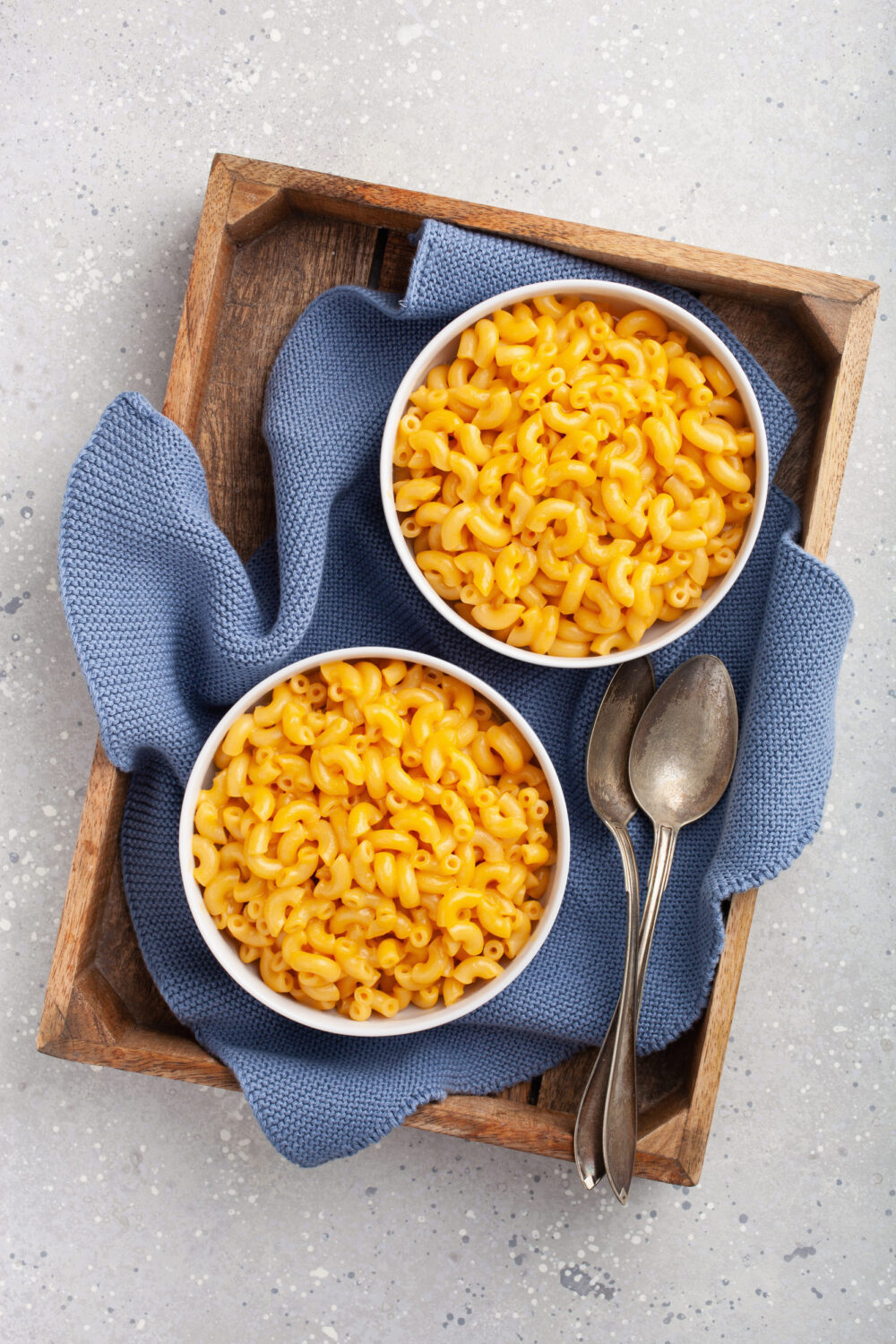
Few meals could turn basic ingredients into something as comforting as macaroni and cheese.
Families could prepare it with inexpensive pasta, milk, and whatever cheese was available. Some baked it with breadcrumbs on top, while others relied on convenient boxed versions.
Macaroni and cheese was firmly established by the 1960s. The USDA’s cookbook included a baked version using macaroni, cheese, milk, and breadcrumbs, while Kraft Macaroni & Cheese Dinner appeared in American grocery advertising.
It was inexpensive, adaptable, and familiar to children. For many households, those qualities made it a dependable dinner when the grocery budget was running low.
Homemade Soup
A leftover chicken bone, a few potatoes, some carrots, and a pot of water could form the base of another family meal.
Rather than throwing away scraps, resourceful cooks turned them into soups and stews. A little meat, vegetables, and noodles or rice could go much further when simmered together.
People were encouraged to use leftover meat and poultry in soups, casseroles, and other dishes. It also included a chicken-and-rice recipe that used chicken bones to make broth.
For families facing uncertain paychecks, soup offered something valuable: flexibility. Ingredients could change depending on what was available, but dinner could still make it to the table.
Why These Humble Meals Still Matter Today
The 1960s weren’t easy for every American family, and food insecurity was a serious concern. In fact, the federal government’s War on Poverty helped expand food assistance programs during the decade, reflecting how widespread the struggle had become.
Yet these five dishes also tell a story about resourcefulness. Families stretched ingredients, repurposed leftovers, and found ways to make ordinary meals feel comforting.
Today, grocery shopping looks different, but the lessons remain familiar. A well-stocked pantry, a little creativity, and the willingness to use what you have can still make a meaningful difference.
Which of these five meals do you remember eating growing up, and which one still deserves a place on America’s dinner table?