10 Popular Foods From the 1950s That Have Almost Vanished From American Tables
There was a time when dinner could arrive inside a shimmering gelatin mold, hot dogs could be arranged into an elaborate centerpiece, and a can of soup could become the secret ingredient in a chocolate cake. Welcome to the American kitchen of the 1950s, where convenience and creativity often produced combinations that would raise eyebrows today.
The decade brought major changes to American cooking. Refrigerators, frozen meals, packaged ingredients, and television helped transform how families prepared and enjoyed food. Manufacturers encouraged homemakers to experiment with recipes that promised impressive results without requiring hours in the kitchen.
According to the Smithsonian’s National Museum of American History, 1950s cookbooks featured everything from barbecued bologna to cakes made with canned tomato soup. Many recipes reflected the era’s fascination with convenience and entertaining.
Some of these dishes survive in family cookbooks, regional restaurants, and nostalgic gatherings. However, they have largely disappeared from everyday American menus. Here are 10 once-familiar favorites that tell a fascinating story about how much food tastes have changed.
Tomato Aspic
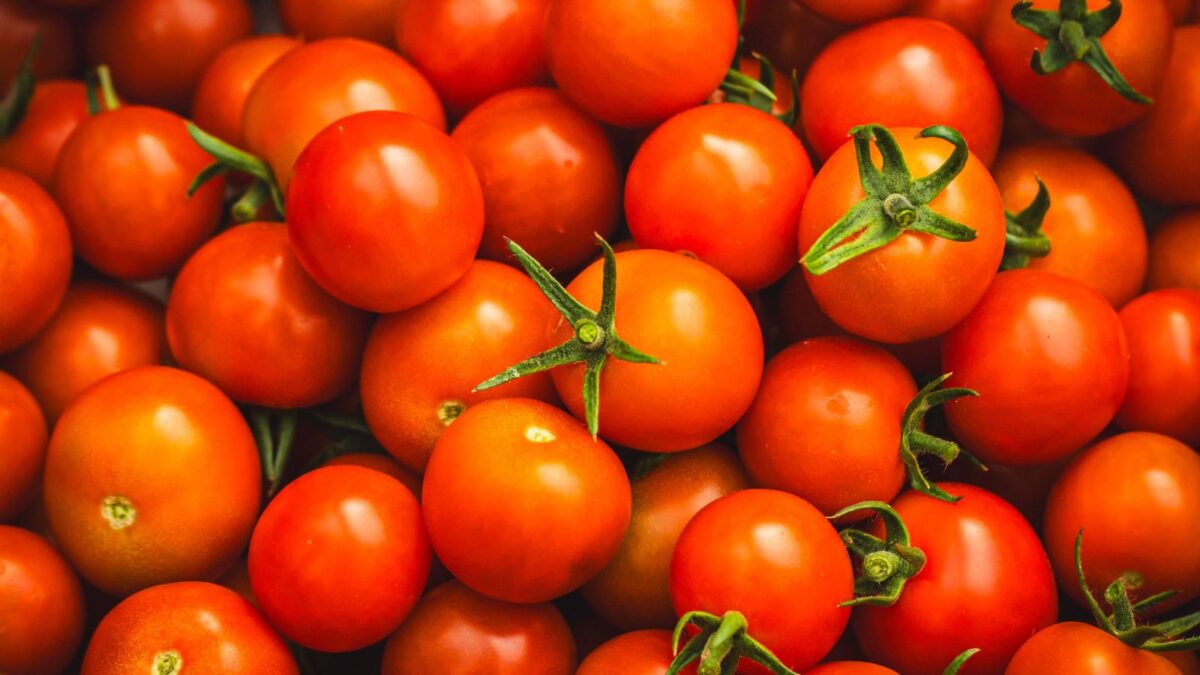
Few dishes capture the adventurous spirit of 1950s cooking as much as tomato aspic. This unusual creation combined tomato juice or tomatoes with gelatin, seasonings, and occasionally chopped vegetables.
Cooks poured the mixture into decorative molds and refrigerated it until firm. Once removed, it became a trembling red centerpiece that could be sliced and served alongside other dishes.
Tomato aspic was especially suitable for formal luncheons because cooks could prepare it in advance and present it attractively.
Today, eating tomato-flavored gelatin may sound strange to younger generations. Most Americans are more accustomed to enjoying tomatoes in sauces, salads, and soups.
Although traditional aspic recipes remain available, this once-fashionable dish rarely appears at ordinary family dinners.
Creamed Chipped Beef on Toast
Known affectionately by some and less affectionately by others through its military nickname, creamed chipped beef on toast was once a familiar breakfast or supper.
The recipe combined thin pieces of dried beef with a creamy white sauce. Cooks spooned the mixture over slices of toast, creating a filling meal from relatively simple ingredients.
Its popularity extended beyond military dining halls into American homes and diners. It was particularly convenient because dried beef could be stored until needed.
But today’s breakfast menus tend to favor pancakes, egg sandwiches, breakfast burritos, and other familiar choices.
Creamed chipped beef hasn’t disappeared completely. Some diners, particularly in Pennsylvania and surrounding areas, still offer it.
Still, younger diners may never have encountered this old-fashioned comfort food.
Related:6 Classic Foods from the 1970s That Have Vanished from Modern Kitchens
Crown Roast of Frankfurters
A crown roast usually brings to mind an expensive meat arrangement prepared for a special occasion. In the 1950s, inventive home cooks could create something similar using ordinary hot dogs.
The result was called a crown roast of frankfurters or wieners.
Hot dogs were arranged upright in a circular formation, creating an impressive-looking centerpiece. Depending on the recipe, the middle could be filled with vegetables or other accompaniments.
The Smithsonian documented a version of this dish in a vintage Hotpoint appliance cookbook, where it appeared as part of an economical dinner menu.
The unusual presentation reflected the decade’s enthusiasm for making inexpensive ingredients look festive.
Today, hot dogs remain enormously familiar, but turning them into a formal dinner centerpiece is decidedly uncommon.
Related:11 Grocery Store Items From the 1960s That Vanished From the Shelves. Can You Remember Even 5?
Liver and Onions
For many older Americans, liver and onions bring back memories of childhood dinners they either loved deeply or enthusiastically avoided.
The dish usually involved slices of beef or calf liver cooked with onions, often after a light coating of seasoned flour.
Its strong, distinctive flavor set it apart from the hamburgers and chicken dishes that dominate many modern menus.
Liver and onions were familiar in traditional American home cooking and appeared on diner menus throughout the mid-20th century.
Today, it survives in some regional restaurants and households that maintain older cooking traditions.
However, organ meats are less prominent in mainstream American home cooking than they once were.
For younger generations, liver and onions may be something they’ve heard grandparents describe rather than a dish they’ve actually eaten.
Savory Jell-O Salad
Gelatin wasn’t reserved exclusively for dessert in the 1950s.
Home cooks frequently experimented with savory gelatin salads containing shredded cabbage, celery, carrots, and occasionally more unusual ingredients.
These colorful creations were often displayed in elaborate molds and presented as side dishes at family gatherings.
The Smithsonian has preserved examples of vintage gelatin recipes, demonstrating just how inventive mid-century cooks could be.
According to HISTORY, the 1950s represented the golden age of Jell-O salads. Their popularity gradually declined, particularly as savory gelatin combinations fell out of favor during the 1970s.
Sweet gelatin desserts still have devoted fans, especially in certain regional traditions.
But the sight of vegetables suspended in a brightly colored gelatin ring is far less common on American dinner tables.
Welsh Rarebit
Despite its unusual name, Welsh rarebit contains no rabbit.
The dish consists of toasted bread topped with a rich cheese sauce, traditionally made with sharp cheddar and seasonings like mustard and Worcestershire sauce.
It originated long before the 1950s but remained a recognizable light meal or snack during the decade.
For families looking for something inexpensive and satisfying, Welsh rarebit offered an appealing alternative to more elaborate dinners.
Its simplicity also contributed to its appeal. A few familiar ingredients could become something that felt considerably more special than ordinary toast.
Today, American diners are much more familiar with grilled cheese sandwiches and other cheese-based comfort foods.
Welsh rarebit hasn’t vanished from British cooking, but it is rarely highlighted on mainstream American restaurant menus.
Tomato Soup Cake
Chocolate cake might be familiar, but what about cake made with condensed tomato soup?
This was one of the more curious creations associated with mid-century convenience cooking.
Home cooks added canned tomato soup to spiced cake batter, often pairing it with cinnamon and cloves.
The soup helped keep the cake moist, while spices contributed much of the finished dessert’s flavor.
The Smithsonian identifies tomato soup cake among the recipes promoted through canned-food cookbooks during the 1950s.
Such recipes also served a commercial purpose by encouraging customers to find new uses for pantry products.
Today, the idea might sound like an internet baking challenge.
Yet for mid-century households, turning a can of soup into dessert represented the kind of kitchen experimentation that manufacturers actively encouraged.
Chicken à la King
Chicken à la King was once considered an elegant way to serve leftover chicken.
The dish typically combined diced cooked chicken with mushrooms, peppers, and a creamy sauce. It could be served over toast, rice, noodles, or pastry shells.
Although its origins predate the 1950s, the dish fitted comfortably into the decade’s preference for creamy, convenient meals.
It also let families turn leftover meat into a completely different dinner.
Today, chicken pot pie and other creamy chicken dishes remain popular, but chicken à la King is less frequently encountered.
You can still find the recipe in older cookbooks and occasional restaurant menus.
For those who grew up eating it, however, the dish represents a familiar comfort food that’s become harder to find.
Barbecued Bologna
Bologna sandwiches were one thing, but barbecuing an entire loaf of bologna was something else entirely.
The Smithsonian recreated a recipe from a 1950s Good Housekeeping cookbook that called for a large unsliced bologna loaf.
The meat was decorated with whole cloves, coated in a glaze of currant jelly and mustard, and then grilled.
It was a striking example of how mid-century cooks transformed inexpensive processed meats into elaborate presentations.
The combination may sound unusual now, but it reflected the decade’s enthusiasm for backyard grilling and inventive entertaining.
While smoked and grilled bologna remains popular in certain regional barbecue traditions, the elaborately glazed centerpiece has largely disappeared from ordinary family cookouts.
Prune Whip
Not every vintage dessert involved chocolate, frosting, or brightly colored gelatin.
Prune whip was a light dessert made with cooked or puréed prunes, often combined with beaten egg whites and sugar.
Some versions were baked, while others were chilled and served in dessert dishes.
The finished result had a soft, airy texture and a flavor that was quite different from modern puddings and packaged desserts.
Prune whip belonged to an era when home cooks regularly transformed dried fruits into attractive desserts.
Today, prunes rarely top mainstream American dessert menus.
Although the recipe still survives in vintage collections, it has become something of a culinary curiosity rather than a familiar family favorite.
Why Did So Many 1950s Foods Disappear?
The decline of these dishes doesn’t mean Americans suddenly decided they were all terrible.
Food preferences change as new ingredients, restaurant trends, cooking methods, and cultural influences become familiar.
During the 1950s, convenience foods and elaborate presentations represented modernity. A colorful gelatin mold or carefully arranged casserole could impress dinner guests.
As American cooking evolved, those same dishes began to look old-fashioned.
Some recipes became less practical, while others lost appeal as consumers developed different expectations for flavor and presentation.
Nevertheless, these foods remain reminders of a remarkably creative period in American kitchens.
And perhaps that’s their greatest charm. Even dishes that seem peculiar today reveal how earlier generations approached cooking, entertaining, and making the most of available ingredients.
Other Posts You Might Like:
8 nostalgic foods from our childhood that nobody else remembers
8 Classic Dishes No One Bothers Making Anymore Because They’re Just Too Much Hassle