6 Everyday Foods You Could Be Overpaying for at the Grocery Store
Your grocery store might be charging you more for everyday foods than you realize. From rice and spices to bread and fresh produce, some items you regularly toss into your cart could cost significantly less at other retailers. The surprising part is that you don’t necessarily have to sacrifice quality, switch brands, or spend hours hunting for deals.
According to the U.S. Department of Agriculture (USDA), average food-at-home prices increased 2.3% in 2025. Meanwhile, a 2026 Consumer Reports price comparison found substantial price differences between retailers, even within the same city.
Here are six everyday foods worth buying somewhere other than your regular supermarket, along with the places where you might find better deals.
Rice
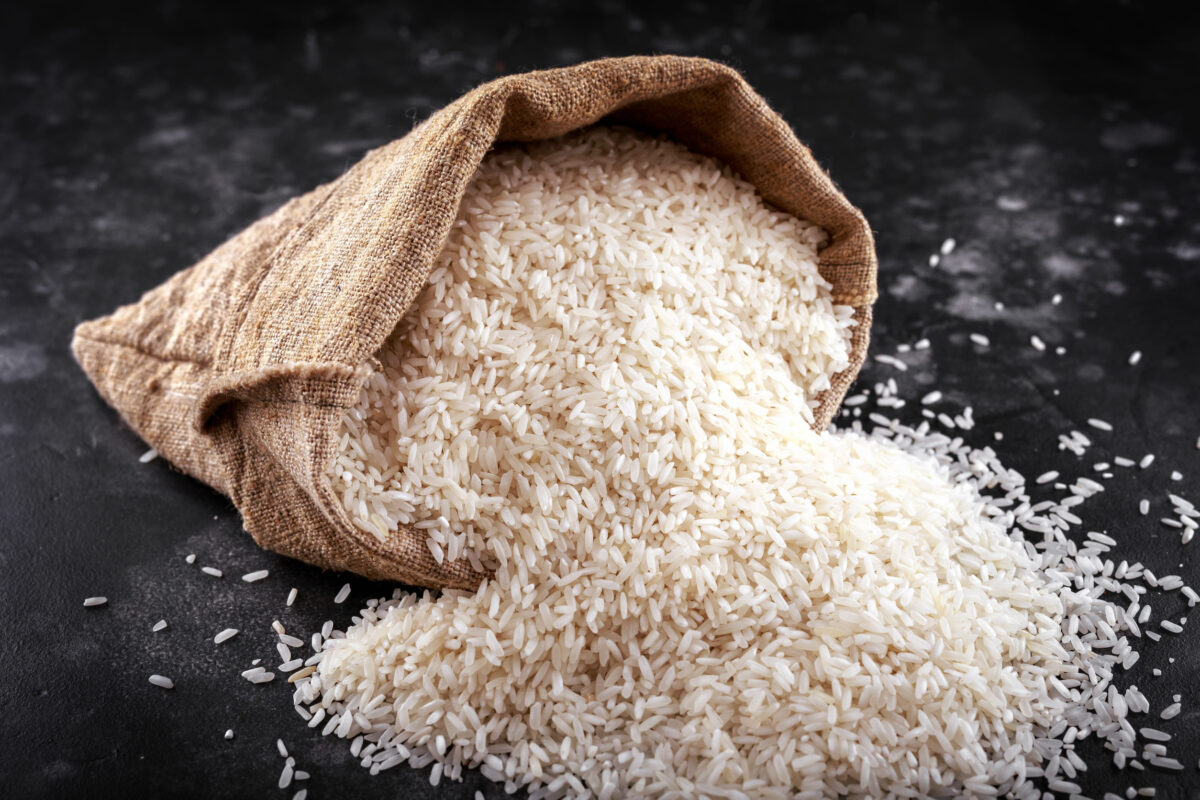
Rice might seem like one of the simplest grocery purchases, but where you buy it can affect how much you spend. Traditional supermarkets typically stock familiar brands in relatively small packages, while Asian and Indian markets often carry larger bags of jasmine, basmati, and other rice varieties. Those larger packages can sometimes cost considerably less per pound.
If your household cooks rice several times a week, buying a larger bag from an international market can be a practical way to save money. These specialty stores frequently serve customers who regularly prepare rice-based meals, so that they may offer a wider variety of brands, grades, and package sizes than conventional supermarkets.
However, bigger doesn’t automatically mean cheaper. Compare the price per pound of the same rice variety, and check whether your usual supermarket has a promotion that beats the specialty store’s regular price. A 20-pound bag only saves you money if you have enough storage space and will actually use it.
Spices
Have you ever wondered why a tiny jar of cinnamon, cumin, or paprika can cost several dollars? Those small supermarket containers are convenient, but their per-ounce price can be surprisingly high. If you cook regularly, replacing little spice jars all the time can become an unnecessary expense.
Indian, Middle Eastern, Mexican, and other international food stores are excellent places to compare prices on commonly used seasonings. Depending on the retailer, you may find cumin, turmeric, coriander, dried chilies, and other spices sold in larger bags rather than decorative glass containers. That difference in packaging and quantity can significantly affect the unit price.
One simple trick is to keep your existing spice jars and refill them from larger packages. You get the convenience of familiar containers without paying repeatedly for extra packaging. Just avoid purchasing enormous quantities of spices you rarely use, since their flavor and aroma can fade during extended storage.
The best strategy is to focus on seasonings you use frequently. Check the price per ounce at both stores and compare similar products before assuming the international market has the better deal.
Related:10 Clever Frugal Living Tips: Save Big on a Tiny Budget
Fresh Produce
Fresh fruits and vegetables can take a noticeable bite out of a weekly grocery budget. Although farmers markets sometimes have a reputation for being expensive, that isn’t always the case. Depending on the season, location, and specific vegetable, buying directly from local growers can be surprisingly affordable.
A July 2026 comparison published by North Carolina Cooperative Extension found several products selling for less at a local farmers market than at a nearby grocery store. Green onions were listed at $3 versus $4 at the supermarket, while eggplant was $1 compared with $4.47. Those examples show how significant individual price differences can be, even though they don’t represent prices everywhere.
Seasonality matters, too. When local farmers have abundant supplies of tomatoes, zucchini, sweet corn, or other seasonal crops, competitive prices may become easier to find. Shopping during peak harvest periods lets customers compare freshly harvested produce with supermarket offerings.
Still, farmers markets aren’t universally cheaper. Utah State University research found that larger produce baskets were generally more expensive at farmers markets, although particular vegetables could match or beat supermarket prices.
Instead of assuming every market stall offers a bargain, compare prices on individual items. You may discover that buying tomatoes from a farmer while getting your potatoes from the supermarket is the smarter combination.
Related:15 Overpriced Expenses That Leave You Feeling Ripped Off
Nuts
Almonds, walnuts, cashews, and pistachios are among those grocery items that can make shoppers hesitate at the checkout. Smaller bags are convenient, but their per-ounce price can make regular purchases expensive. Warehouse clubs are worth investigating, particularly if your household frequently uses nuts for baking, cooking, or snacking.
Retailers such as Costco, Sam’s Club, and BJ’s specialize in larger packages, which can help reduce unit costs on many products. A September 2026 AARP comparison of 28 grocery items at the three warehouse chains highlighted the importance of comparing unit prices rather than looking at package totals alone.
For nuts, the savings opportunity comes from comparing larger bags or containers with the smaller packages available at traditional supermarkets. However, prices vary by nut variety, brand, whether they’re roasted or raw, and whether additional seasonings are included.
Before purchasing a large container, consider how quickly your household will use it. Nuts can lose quality over time, particularly when exposed to heat, light, and air. Refrigerating or freezing portions in suitable containers can help preserve their quality.
And don’t overlook the membership fee. A cheaper bag of almonds isn’t necessarily a bargain if you’re paying for a warehouse membership that you barely use.
Bread
Bread is another everyday purchase worth a quick price comparison. Whether you prefer sandwich bread, hamburger buns, bagels, or dinner rolls, purchasing several packages each week can add up. Fortunately, some areas have bakery outlet stores that sell packaged baked goods outside the traditional supermarket setting.
These stores may carry products from commercial bakeries, including surplus inventory, promotional stock, or items approaching their labeled dates. Because the selection and pricing vary, shoppers can sometimes find discounted bread that meets their needs without paying the usual supermarket price.
However, not every bakery outlet operates the same way. Some stock recognizable national brands, while others carry a rotating assortment based on availability. Checking package dates and comparing prices remains important.
One practical approach is to buy extra bread when you find a genuinely good deal and freeze what you won’t use right away. Bread generally freezes well when properly wrapped, and individual portions can be thawed as needed.
Just remember to calculate the real savings. Driving across town for one discounted loaf probably won’t save much, but stopping at a bakery outlet along your normal route could be worth it.
Dried Beans and Lentils
Dried beans and lentils are common pantry staples, yet their prices and package sizes can vary widely between retailers. Mainstream supermarkets often carry smaller bags of black beans, pinto beans, chickpeas, and lentils. International markets and bulk food retailers may offer additional varieties and larger quantities.
Mexican, Caribbean, Indian, and Middle Eastern markets are especially worth exploring when shopping for ingredients common to their respective cuisines. You may discover larger packages of familiar beans or lentils, along with varieties that are harder to find at a conventional supermarket.
Another option is a wholesale club or bulk-food retailer. Research published by Washington Consumers’ Checkbook in November 2025 found that warehouse clubs often beat traditional supermarket prices across the grocery products it compared. However, savings depended on the store and package size.
Before grabbing a large sack of beans, divide the package price by its weight to determine the actual cost per pound. Then compare that figure with supermarket prices for the same type of bean.
Dried beans and lentils store well in the pantry when kept in appropriate, dry containers. However, buying more than your household can reasonably use doesn’t automatically make the purchase economical.
The Smartest Grocery Savings May Come From Shopping at More Than One Store
The biggest lesson isn’t that supermarkets are always expensive or that specialty retailers consistently offer the lowest prices. Different stores can have different pricing advantages, and understanding those differences gives shoppers more control over their budgets.
The USDA reports that warehouse clubs and supercenters accounted for 26.4% of U.S. food-at-home expenditures in 2025, compared with 9.4% in 1997. That shift illustrates how important alternatives to traditional supermarkets have become in American grocery shopping.
You don’t need to visit six stores every week to benefit. Start by identifying two or three foods your household purchases frequently, then compare prices at nearby international markets, warehouse clubs, farmers markets, or bakery outlets. Focus on unit prices, account for transportation and membership costs, and avoid buying quantities you cannot use.
Sometimes the easiest way to lower your grocery bill isn’t to buy less food. It’s simply to buy the same food somewhere else.
Other Posts You Might Like:
Never Buy These 8 Foods Again, They’re Cheaper to Make at Home