Your Neutral Living Room Isn’t Boring, It Just Needs This Cozy Design Upgrade
A neutral living room can check every decorating box and still feel a little unwelcoming. The sofa coordinates with the rug, the coffee table is clear, and nothing clashes, but nothing quite invites you to kick off your shoes, either. Warm minimalism offers a middle ground between an almost-empty showroom and a room overflowing with accessories. It keeps the simplicity while bringing in earthy colors, natural materials, and the kind of texture that makes a space feel lived in.
The approach has appeared in recent decorating coverage from Good Housekeeping, Homes & Gardens and Woman & Home, with designers explaining how to soften pared-back interiors without abandoning them. “Warm minimalism is about creating comfort without the clutter,” Megan Khalil of Ellwood Interiors told Good Housekeeping. That does not mean adding a dozen cream cushions and declaring the room transformed. A more useful idea is to choose pieces that add warmth, character, or practical comfort,not just take up space.
Neutral Doesn’t Have to Mean Cold or Colorless
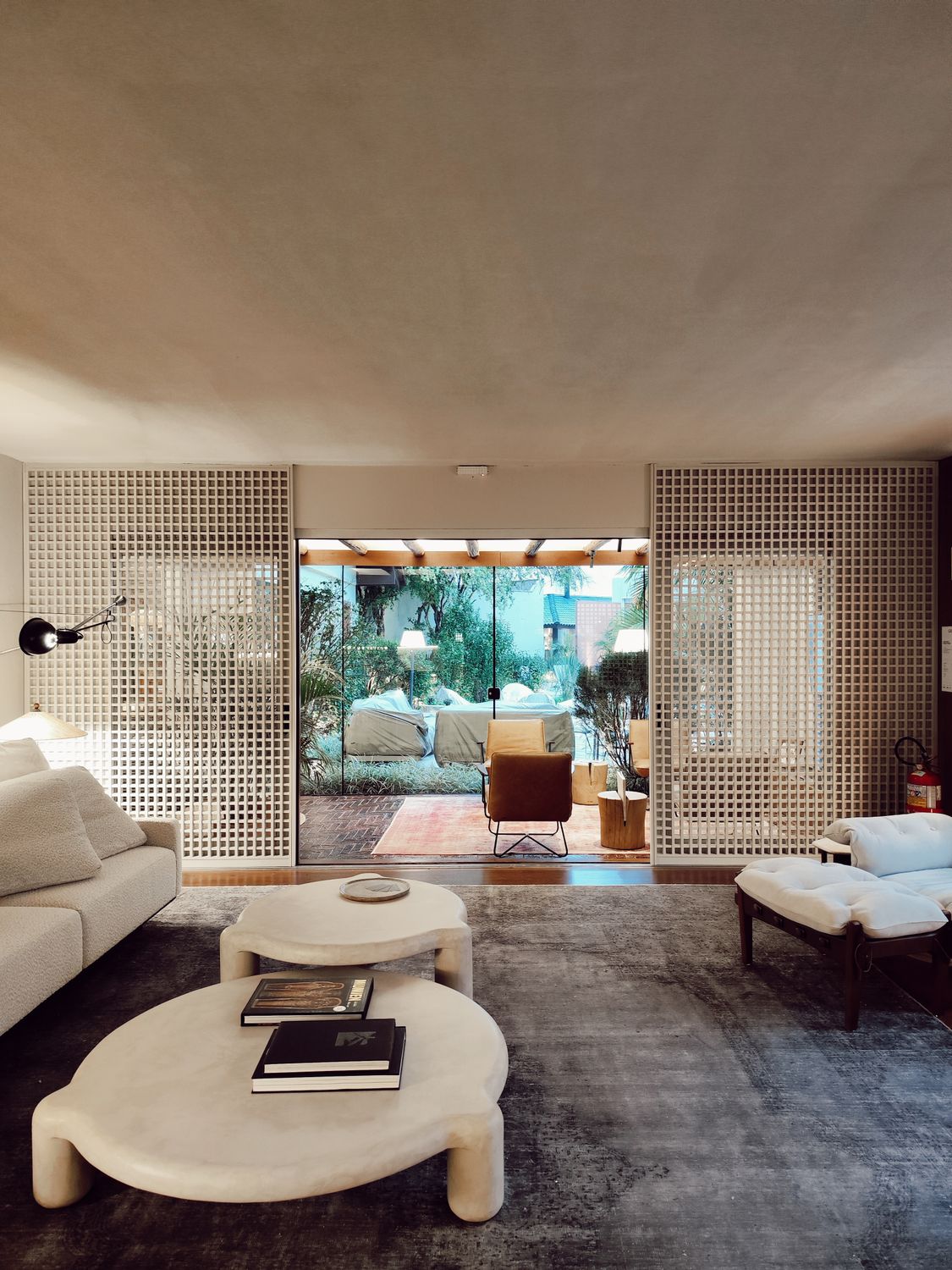
Warm minimalism preserves a restrained foundation, but its palette extends beyond bright white walls and cool gray upholstery. Creamy whites, taupes, browns, and muted earthy shades feature prominently in designers’ recommendations, creating variation without demanding a roomful of strong colors. Designer Molly Torres Portnof of DATE Interiors told Homes & Gardens that the look “pairs simplicity and intentionality with warm, earthy tones, layered textures, and natural materials.” The distinction is important: the room stays visually quiet without relying on identical shades everywhere.
There is room for contrast, too, so existing gray furniture does not automatically need an eviction notice, with rich wood cabinetry and tactile upholstery, while retaining touches of gray and cooler-toned stone for balance. “Handwoven rugs, tailored drapery in tones other than white, and vintage-inspired lighting bring softness and character,” she told Good Housekeeping. Her approach demonstrates that warm minimalism can combine light and dark, warm and cool, rather than insisting on a perfectly matched beige collection.
Shape also helps soften the overall effect. Khalil described a shift toward soft curves, while furniture creative director Cristina Rugo told Woman & Home that gently rounded edges and lower-profile pieces can create an inviting environment alongside natural materials. In a living room, a rounded coffee table or curved chair is one way to introduce that softness. It is a design option, not a requirement that every piece of furniture resemble a pebble.
Related: 10 Things Boomers & Gen X Call Selfish That Gen Z Considers Completely Normal
Texture Gives a Quiet Room Something to Say
A limited palette makes material differences especially valuable. Wool, linen, wood, and stone can create visual variety without competing for attention through multiple bold prints or colors. “Think neutral palettes enriched with soft textures, such as wool and linen, and natural materials, like wood and stone,” interior designer Taniya Nayak told Good Housekeeping. Her method starts with neutral foundation pieces, leaving room to swap out smaller decorative layers instead of continually replacing furniture.
The point isn’t to make everything fluffy. Designer Bess Lovern told Homes & Gardens that her team incorporates different finishes, materials, and sheens so that even a monochromatic space retains character. In a project the publication discussed, neutral furniture and fabrics also let artwork supply personality. That offers a useful alternative to decorating every available surface: let the materials create depth, then give a meaningful piece of art room to stand out.
Older materials can belong in the picture as comfortably as new ones. Sarah Ellison of Frank & Faber recommends raw oak, linen, clay, stone, and aged metals, and describes embracing features such as aged timber floors and naturally creased linens. Her interpretation makes space for character rather than demanding flawless surfaces throughout the room. An existing wood table or a favorite linen curtain can fit the direction without being replaced by something newly purchased to look deliberately imperfect.
The guiding principle is restraint, especially once throws, cushions, and accessories enter the conversation. Designer Lauren Gilberthorpe recommends anchoring a room with key furniture pieces, then slowly layering materials, artwork, and rugs. Nayak similarly advises beginning with a few staples before adding neutrals and soft textures. Taken together, their guidance suggests a measured process: establish the foundation, assess what is missing, and resist turning every empty corner into a decorating emergency.
The Finishing Touches Should Make It Feel Like Your Home
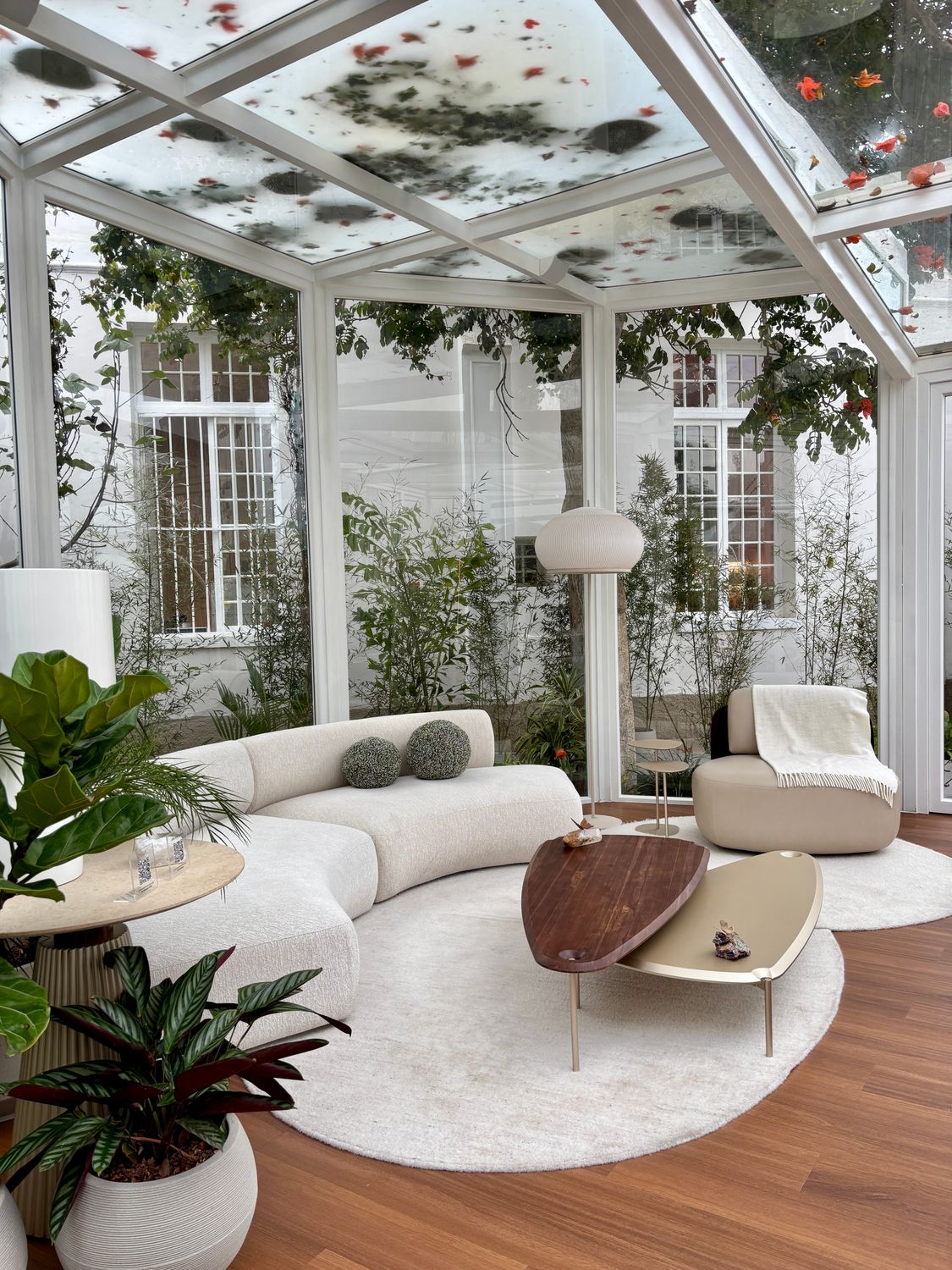
Lighting deserves attention before another decorative object lands in the shopping cart. “Artificial lighting can make a room feel stark if it is not designed carefully,” Gilberthorpe told Homes & Gardens, emphasizing that warmth comes from both materials and setting. A room’s fabrics and colors are only part of its atmosphere. Even an appealing combination of wood, wool and soft neutrals needs lighting that supports the effect rather than working against it.
James Kendall, operations director at KES Lighting, recommends soft, layered lighting, dimmable options and warm-white bulbs. Speaking to Woman & Home, he explained that layering adds warmth and depth, while dimming lets the atmosphere change throughout the day. For a living room, that supports using a combination of appropriately placed lamps and other fixtures rather than relying entirely on one overhead source. Understated designs can preserve a minimalist look while the lighting adds another dimension.
Personal belongings are equally welcome; they simply need not arrive all at once. “My advice for embracing this trend is always start with something you love, whether it’s a color, an antique heirloom, or a textile, and build around that using muted color and natural textures,” Samantha Tosti of Tosti Design told Good Housekeeping. Ellison also describes choosing decorative pieces sparingly for their story, tactile quality, or history. That leaves room for the inherited table, treasured artwork or handmade bowl, not because it matches a trend perfectly, but because the room belongs to someone.