Your Entryway Doesn’t Need a Makeover; These Small Fixes Can Tame the Front-Door Chaos
Coming home shouldn’t require stepping over sneakers, rescuing a bag from the floor, and wondering where your keys disappeared between the driveway and the couch. Yet a small entryway can quickly become the place where everything lands and nothing quite belongs. Professional organizers recommend a practical starting point: give everyday belongings specific landing spots, keep less-used items elsewhere, and use the walls better before adding more furniture.
The goal is function, not turning the space beside your front door into a miniature showroom. A few hooks, a contained shoe zone, and a dependable spot for small essentials can do more useful work than an oversized console covered in decorative objects. The best upgrades respond to what actually comes through your door and leave enough room for you to come through it, too. Here’s how to make that happen without treating a narrow entrance like a renovation project.
Give Everyday Clutter a Place to Land
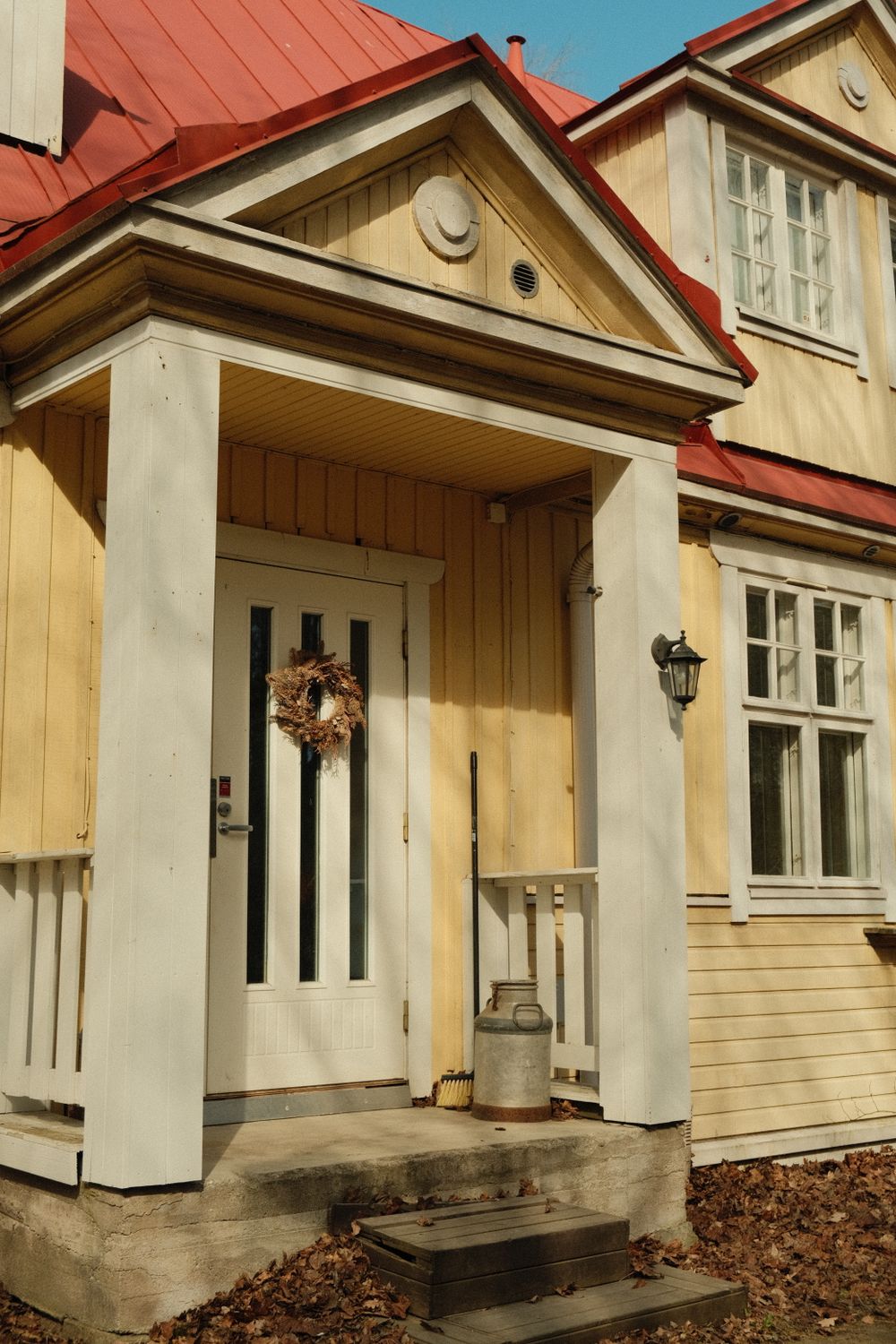
Before buying anything, look at what routinely collects near the entrance. Is it a work bag, dog leash, several jackets or mail waiting for attention? That inventory helps you decide whether you need hooks, a small shelf, or simply to store fewer things there. Katie Clingman, founder of Settled In Soundly, explained the organizing principle to Real Simple: “A drop zone is a place where you consistently put your keys, bag, and shoes when you come in the door.” Consistency is the point,not an elaborate matching storage collection.
For a tight entrance, wall hooks are a straightforward first upgrade. Kristina Pinkerton, founder of Organizing Huntsville, told Real Simple, “They’re perfect for purses, hats, and jackets and help keep surfaces clear.” A short row can give everyday outerwear and bags a destination without introducing a freestanding coat rack. Positioning hooks at both adult and child height is another organizer-recommended option, making the storage accessible to the people expected to use it.
A small tray or shallow shelf can handle the items too small for a hook: sunglasses, a wallet, or the things you tend to empty from your pockets. There’s no requirement to squeeze in a full-size console to get that benefit. Real Simple’s organizing coverage recommends floating ledges for compact entrances, while professional organizers also suggest trays for a defined drop zone. Keep the surface’s assignment narrow; otherwise, the new landing spot risks becoming the old miscellaneous pile with nicer edges.
Paper deserves its own boundary, not an invitation to spread across every available surface. Organizers interviewed by Real Simple recommend a small wall file or tray to hold incoming mail and handle packages and shopping bags promptly. Treat that container as a temporary stop, not permanent storage. The useful upgrade is a place to put paper while you process it, not a larger basket that lets you postpone the same decision longer.
Contain the Shoes Without Crowding the Door
Shoes are an entryway problem partly because storing every pair near the door asks a small area to do a closet’s job. Start by keeping the pairs you wear regularly and relocating occasional or out-of-season footwear. Professional organizers recommend narrow shoe cabinets, baskets and simple bins as possible solutions. The right choice depends on your space and habits; the shared principle is that shoes have a defined destination rather than an expanding territory across the floor.
Measure before choosing that destination. Living Cozy’s entryway storage guide recommends recording the dimensions and considering the available vertical space, not just the floor area. A slim cabinet may suit a narrow hallway, while a low rack might work better beside an entrance with limited wall space. Some shoe cabinets can also double as a console-style surface, as Ashley La Fond, founder of Of Space & Mind, noted to Real Simple: “You can even add a tray for keys!”
If there’s genuinely room for seating, a narrow storage bench can do two jobs: a place to sit while putting on shoes and a place to store belongings. Pinkerton recommends a lidded version when possible, allowing items to be tucked inside. But a bench is an option, not an entryway requirement. When seating would crowd the route through the room, hooks and a smaller shoe-storage solution are more sensible than forcing in a piece that looks useful but gets in the way.
An existing closet offers another opportunity before you buy furniture. Clingman recommends hanging organizers on the inside of the closet door to corral shoes, slippers and accessories. For households sharing the entrance, individual labeled baskets or bins can also give belongings clear destinations. These upgrades work with space you already have, while making it easier to identify where each person’s things belong instead of combining everyone’s gloves, hats and footwear into one communal guessing game.
Related: 10 Halloween Costumes Women Over 50 Might Want to Leave Behind This Year
Make the Entrance Easier to Use, Not Just Nicer to Look At
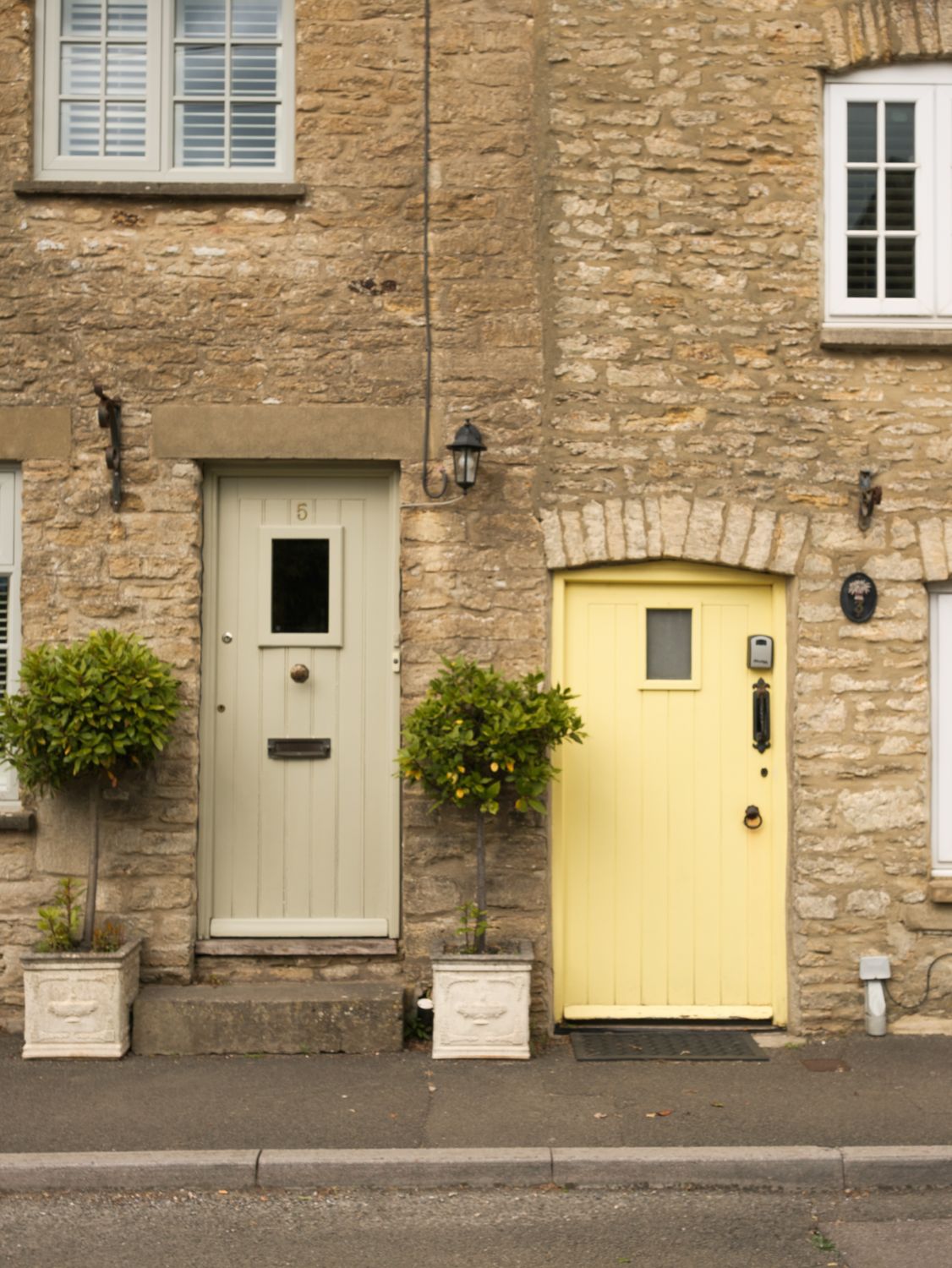
A clear walking route should come before decorative extras. The National Institute on Aging advises keeping walking areas tidy and not leaving shoes, papers, clothing, or other objects on the floor. Its fall-prevention guidance also emphasizes good lighting. These recommendations are especially important for older adults, but they also offer a useful check for any entryway plan: storage should remove obstacles, not create a new one with a bulky basket or awkwardly placed bench.
Lighting is another upgrade worth considering if the entrance or adjoining hallway is difficult to navigate after dark. The institute suggests motion-activated plug-in lights to illuminate pathways. Keep electrical cords away from walking routes, and think carefully before adding a small decorative rug: the agency’s guidance for preventing falls among older adults recommends avoiding throw rugs and securing existing carpeting. A prettier entrance isn’t an improvement if its accessories introduce something to trip over.
Once the practical pieces are working, a little decoration can finish the space without taking it over. Organizers recommend keeping displays simple: a piece of art or a mirror, perhaps, alongside an attractive functional tray. Let the useful storage do its job, and move less-used belongings elsewhere as they start to accumulate. An organized entrance doesn’t need to hold everything you own. It needs to handle the things you actually reach for, with a clear place for each and a clear path home.