9 Everyday Cooking Mistakes That Can Make Good Ingredients Taste Disappointing
Buying quality ingredients doesn’t guarantee a delicious meal. Cooking temperature, seasoning, preparation methods, and timing can affect the result just as much as the ingredients themselves.
Some mistakes are easy to overlook because they become habits. A cook may crowd the pan, add salt at the wrong moment, or assume that every vegetable needs the same preparation. These nine common problems are worth understanding because correcting them can improve everyday meals without requiring expensive equipment.
1. Crowding the Pan
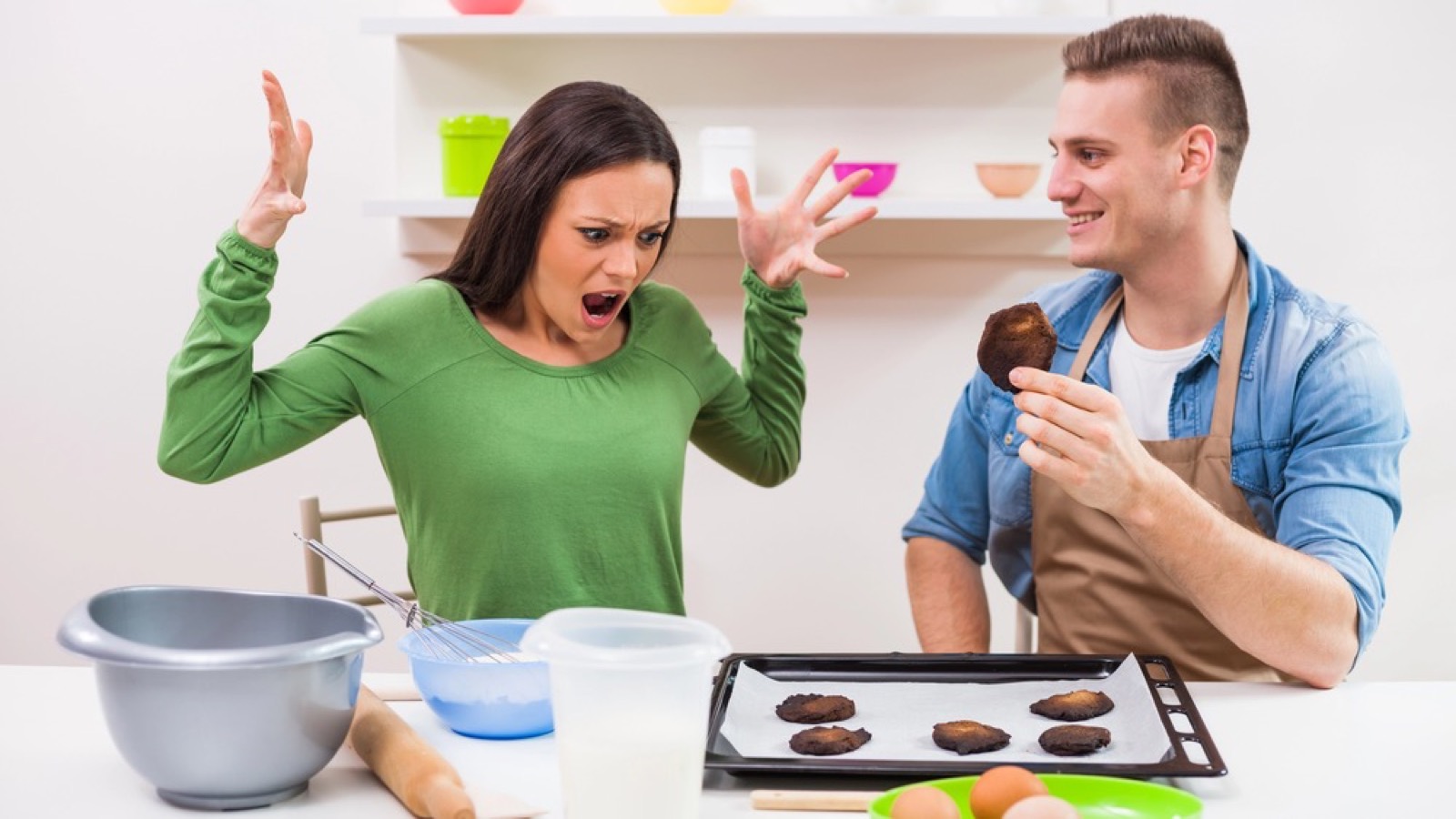
Adding too much food to a skillet can prevent ingredients from browning properly. As food releases moisture, the crowded pan may trap steam instead of allowing the surface to develop color.
This is particularly noticeable when cooking mushrooms, potatoes, or pieces of meat. Instead of browning, the ingredients may become soft and watery.
Cooking in smaller batches can help. It gives each piece more contact with the heated surface and makes temperature easier to control. The approach requires slightly more time but can improve the final texture.
2. Using the Highest Heat for Everything
High heat can be useful for certain techniques, but it isn’t appropriate for every dish. Delicate foods may burn outside before cooking properly inside.
Eggs, for example, can become tough when cooked too aggressively. Sauces may also scorch when the temperature remains too high.
Understanding when to simmer, sauté, or sear helps cooks achieve better results. The correct setting depends on the ingredients, pan, and desired texture. Using moderate heat is often more effective than assuming faster cooking always means better cooking.
3. Forgetting to Taste Before Serving
Following a recipe exactly doesn’t guarantee that the seasoning will be balanced. Ingredient strength, salt levels, and personal preferences vary.

Tasting suitable cooked foods during preparation helps identify problems early. A sauce may need more acidity, while a soup may require additional seasoning.
Changes should be made gradually. Adding too much salt or another strong ingredient can be difficult to correct.
Raw meat and other unsafe ingredients should never be tasted. Food safety takes priority over seasoning adjustments.
4. Overcooking Vegetables
Vegetables have different ideal cooking times. Broccoli, carrots, spinach, and green beans don’t all respond the same way to heat.
Cooking them too long can create an unpleasantly soft texture. It can also change their color and flavor.
Different methods produce different results. Roasting may develop sweetness and browning, while steaming can preserve a firmer texture. Learning how a vegetable behaves makes it easier to prepare it consistently.
5. Cutting Ingredients Unevenly
Vegetables cut into widely different sizes may cook at different rates. Small pieces can become soft or burned before larger pieces are ready.
Consistent cutting helps ingredients cook more evenly. This is especially useful for roasting potatoes, preparing stir-fries, or making soups.
Perfect knife skills aren’t required. The goal is to produce pieces with reasonably similar dimensions. Using an appropriate cutting board and a properly maintained knife also improves safety.
6. Adding Garlic Too Early
Garlic can become bitter when it burns. Recipes that require long cooking periods may need garlic added later than onions or other vegetables.
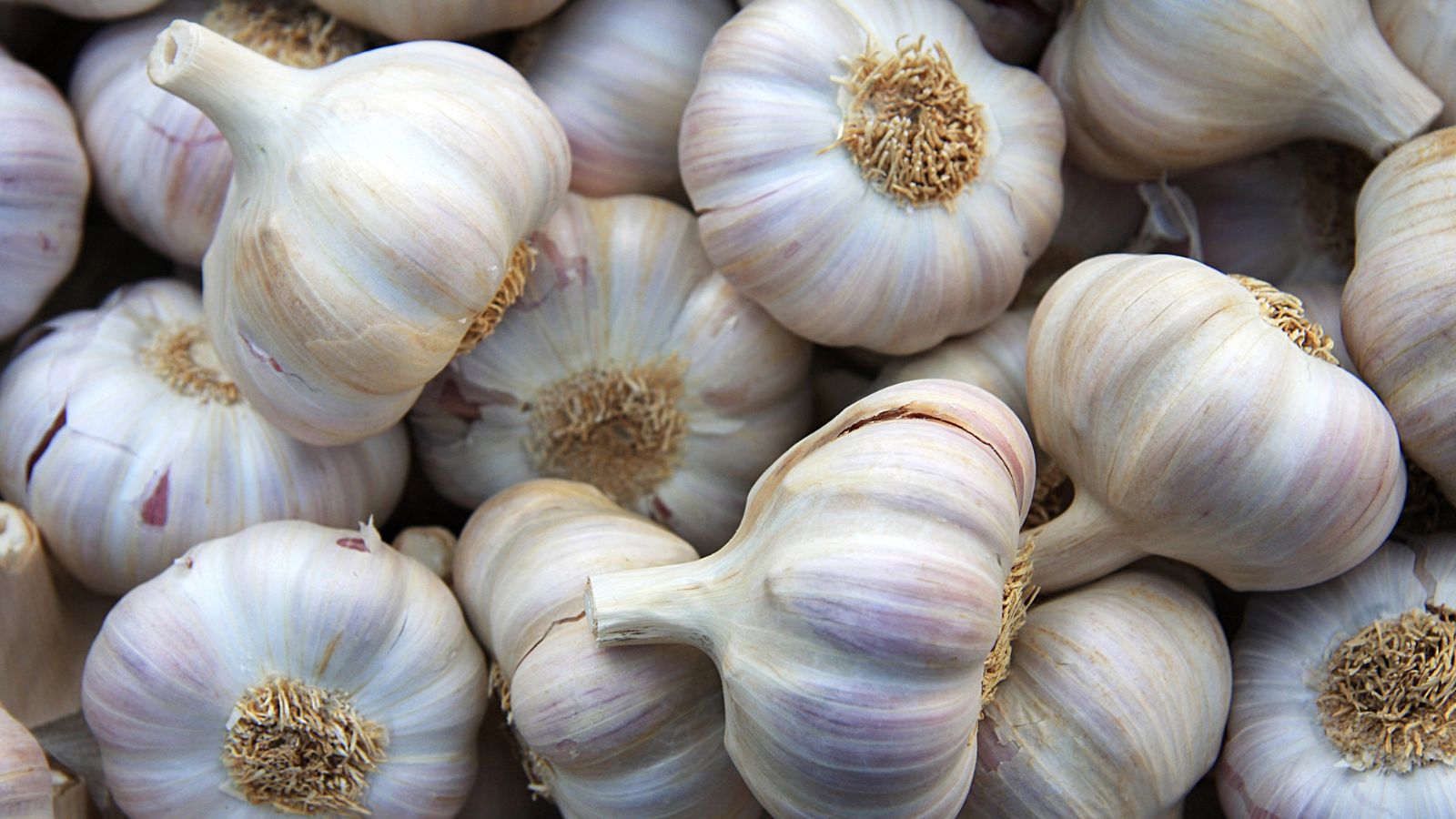
The correct timing depends on the dish and whether the garlic is whole, sliced, chopped, or minced. Smaller pieces can cook particularly quickly.
Keeping an eye on the pan helps prevent scorching. Once garlic burns, its unpleasant flavor can affect the entire dish. Learning the right sequence for adding ingredients is often more important than following an exact cooking time.
7. Not Drying Ingredients Before Browning
Surface moisture can interfere with browning. Meat, potatoes, and other ingredients may steam when placed in a pan with too much water on their surfaces.
Patting suitable ingredients dry can improve contact with the heat. It can also reduce excessive splattering in some cooking situations.
The method should be used carefully with raw meat to avoid spreading contamination. Paper towels and contact surfaces should be handled appropriately.
Browning is influenced by heat, moisture, and cooking time. Managing those factors improves flavor and texture.
8. Misunderstanding Salt
Salt contributes to flavor, but adding too much can overwhelm a dish. The amount already present in packaged ingredients should also be considered.

Broths, canned foods, sauces, and seasoning blends can contain substantial sodium. Tasting before adding more salt helps prevent over-seasoning.
Salt timing matters for some techniques. It can influence moisture and texture during cooking. Home cooks benefit from learning how individual ingredients contribute to the overall seasoning rather than relying on a fixed amount in every recipe.
9. Serving Food at the Wrong Temperature
Temperature affects how a meal tastes and feels. Some dishes are best served hot, while others benefit from chilling or resting.
A steak may need a short resting period after cooking, while a crisp fried food can lose its texture if left covered for too long. Soups may also need a moment to cool enough to eat comfortably.
Food safety imposes important limits. Perishable foods should not remain at unsafe temperatures merely to improve presentation. The FDA’s food handling guidance provides recommendations for safely cooking and serving food.
Why Technique Matters More Than Expensive Equipment
A skilled cook can prepare enjoyable meals using ordinary pots, pans, and ingredients. Specialized equipment may help, but it doesn’t replace attention to timing, seasoning, and temperature.
Many traditional cooking habits relied on simple tools and practical experience. The same principles remain useful in modern kitchens.
Improvement often begins by changing one habit at a time. Cooking vegetables a little less or allowing ingredients more space in the pan can produce noticeable differences.
The most useful question is what went wrong during preparation. Understanding that answer makes the next meal easier to improve.