9 Pantry Staples Grandma Always Had That Still Deserve Space in Modern Kitchens
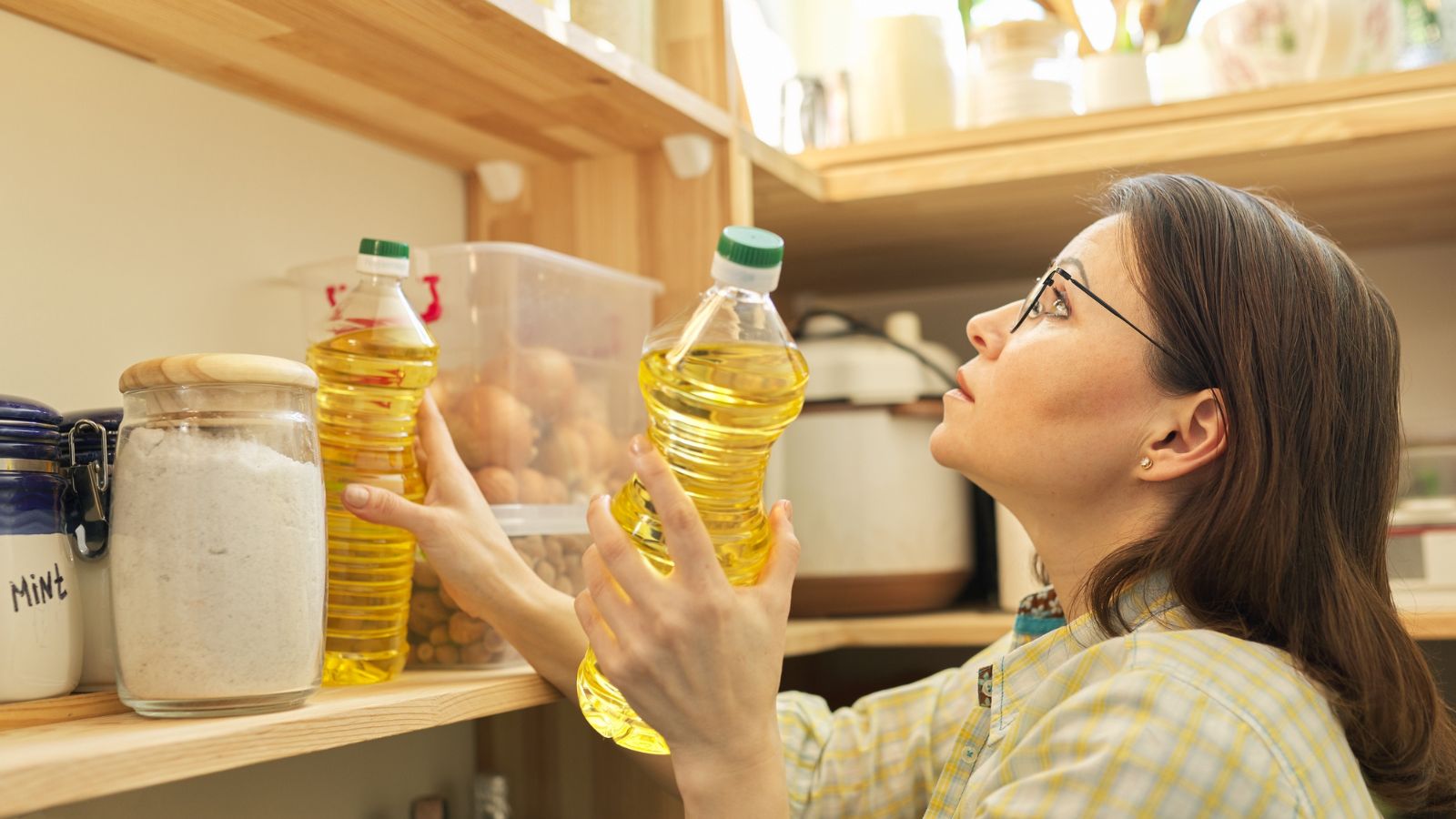
Open Grandma’s pantry, and you would find shelves lined with flour bins, glass jars, and cans stacked neatly by size. Nothing in there was trendy. Every item had a purpose, and most of them could be turned into a meal on short notice, even when the refrigerator was nearly empty.
Today’s pantries often look very different, filled with snack bars, specialty sauces, and boxed meal kits. Yet many of the humble ingredients Grandma relied on are still some of the most useful, affordable, and versatile foods you can buy. Here are nine pantry staples Grandma always kept on hand that still deserve a place in modern kitchens.
1. Dried Beans
Dried beans were one of Grandma’s most dependable foods. A bag of pinto, navy, or great northern beans cost very little and could feed a family for days. She soaked them overnight and simmered them with a ham hock or a bit of bacon for flavor.
Beans are just as smart a choice today. The Harvard Nutrition Source notes that legumes are rich in fiber, protein, and important minerals. They store for a long time, cook beautifully in a slow cooker, and can stretch soups, chili, and casseroles without much extra cost.
2. Cornmeal
Cornmeal was a staple in kitchens across the country, especially in the South. Grandma used it for cornbread, hush puppies, and a crisp coating on fried fish or okra. In some homes, it also became cornmeal mush, which was fried in slices for breakfast.
A bag of cornmeal is still inexpensive and surprisingly flexible. It can thicken stews, add crunch to baked chicken, or become a quick skillet bread to serve with soup. Keeping it in the freezer helps it stay fresh longer, a trick many grandmothers knew well.
3. Evaporated Milk
A few cans of evaporated milk sat in nearly every older pantry. Grandma used it in pumpkin pie, creamy casseroles, fudge, and mashed potatoes. It was also a lifesaver when fresh milk ran out before the next trip to the store.
Because it is shelf-stable, evaporated milk is still handy to keep around. It gives sauces and soups a rich texture without needing heavy cream. Many holiday bakers also still insist that it makes the best pumpkin pie filling.
4. Molasses
Molasses was once a common sweetener in American kitchens, especially before white sugar became cheap and plentiful. Grandma used it in gingerbread, baked beans, brown bread, and molasses cookies. Its deep, rich flavor was hard to replace.
Molasses still adds wonderful flavor to baking and barbecue sauce. Blackstrap molasses, the darkest variety, contains some iron and calcium, though it should still be used in modest amounts like any sweetener. A single jar lasts a long time, making it a smart pantry addition.
5. Rolled Oats
Grandma’s big round canister of oats was used for much more than breakfast. She stirred them into meatloaf, baked them into cookies, and sprinkled them over fruit crisps. A pot of hot oatmeal on a cold morning could feed the whole family for pennies.
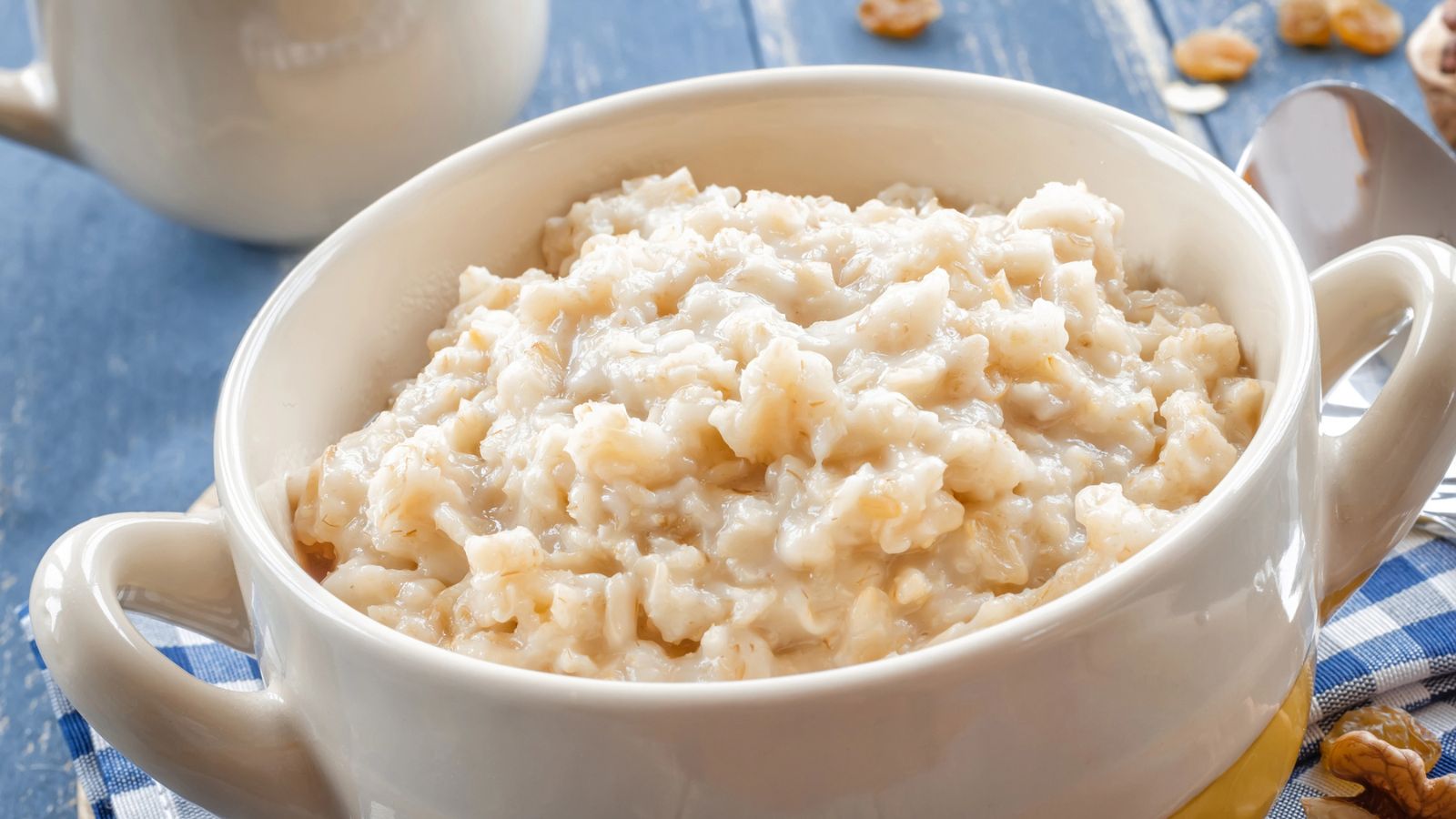
Oats remain one of the best bargains in the store. They are a good source of fiber, and the Harvard Nutrition Source explains why whole grains like oats are a smart choice. They can be blended into flour, used in pancakes, or packed into overnight oats for easy breakfasts.
6. Canned Tomatoes
Canned tomatoes were a winter lifeline for many families. Grandma often put up her own jars from the summer garden, while others bought them by the case at the grocery store. They became the base for soups, chili, spaghetti sauce, and stewed tomatoes with bread.
Canned tomatoes are still one of the most useful items in any pantry. They are picked and packed at peak ripeness, which often gives them better flavor in winter than fresh supermarket tomatoes. With a few cans on hand, a quick pasta sauce or vegetable soup is always within reach.
7. White Vinegar
Grandma kept a big jug of white vinegar for cooking, pickling, and cleaning. She used it to make quick pickles, brighten coleslaw, and tenderize tough cuts of meat. It also cleaned windows, coffee pots, and countertops around the house.
That same jug is still one of the most practical things you can buy. A splash of vinegar can sharpen a bland soup or dressing in seconds. It is also handy for pickling extra vegetables before they spoil, which helps reduce food waste.
8. Baking Soda
The orange box of baking soda was always in Grandma’s cupboard. She used it in biscuits, pancakes, and quick breads, especially those made with buttermilk. Another box often sat open in the refrigerator to absorb odors.

Baking soda remains a kitchen essential for anyone who bakes. It also helps clean pots, scrub sinks, and freshen drains. Since it is cheap and lasts a long time when stored dry, there is no reason not to keep a box on hand.
9. Rice
A bag of long-grain white rice was a quiet hero in many older pantries. Grandma served it with gravy, stirred it into soups, and turned leftovers into rice pudding. In Southern and Louisiana kitchens, rice was the base of countless family meals.
Rice is still one of the cheapest ways to make a meal more filling. It keeps for a long time when stored in an airtight container. It also pairs with almost anything, from beans and greens to stir-fried vegetables and leftover chicken.
What Makes a Good Pantry Staple?
The best pantry staples have a few things in common. They are affordable, last a long time, and can be used in many different dishes. Grandma’s shelves were built around these qualities, which is why she could make a meal out of almost nothing.
If you are curious about other old pantry items, many younger cooks are starting to bring them back. Some of these humble foods are now loved by people at every income level. Which of these staples is always in your pantry?